Meta receives backlash for settling 'trillion dollar lawsuit'
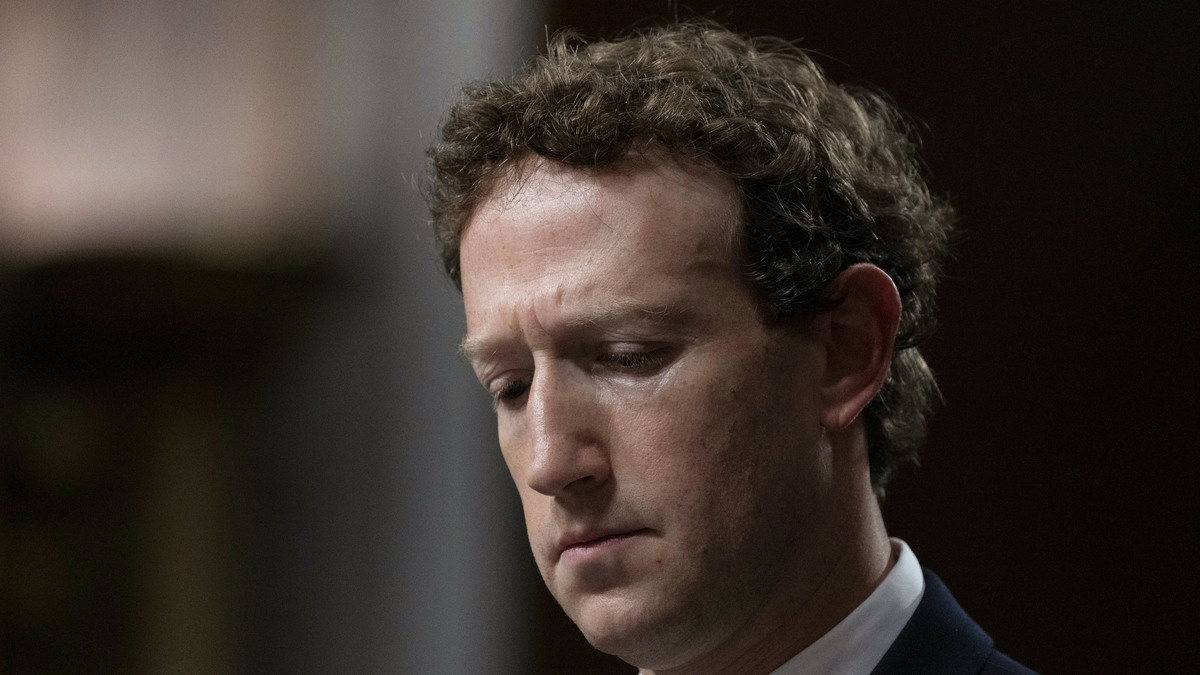
On August 26, Meta agreed to pay $18 billion in compensation to settle complaints from 29 US states, and at the same time change the platform's policy to limit underage users when using social networks.
Judge Yvonne Gonzalez Rogers approved the agreement, calling it "a good step forward." CNBC said Meta shares increased 4.1% after the information was announced. However, the company is currently facing many negative reactions.
"It feels like cutting down just one tree in an entire forest," Nicole Noble, mother of two children ages 8 and 3, sighed to NYPost about Meta's settlement. "In the world of technology and social networks, it seems that we always build, observe and promulgate laws in a paradoxical way."
"It's not enough," said Ruthie Friedlander, founder of At Large and a three-year-old mother. "Instagram has not built enough safety barriers to protect our children."
She said she has seen social networks affect herself in many different ways. "Even a mature, fully developed brain is still negatively affected by social networks. Can a 10 or 11 year old child understand the context of a social networking platform, I think it's impossible," Friedlander said.
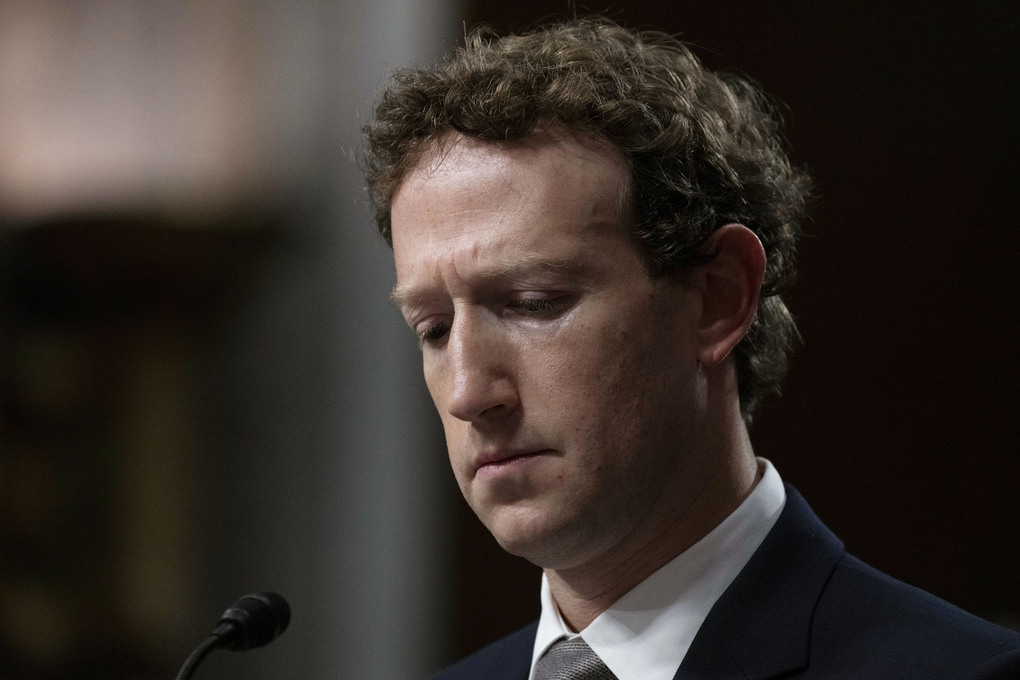
Meta plans to introduce a series of new rules on Facebook and Instagram to limit teen use, such as tightening usage time to two hours a day, completely blocking from midnight to 6 a.m. the next day without parental consent. Mark Zuckerberg's company also disabled most push notifications for teenage users during school hours (8 a.m. to 3 p.m.), increasing measures to prevent children from accessing age-restricted content.
Phil, who has a 10-year-old son in Westchester, New York, welcomed Meta's protective measures, but remained concerned. "The issue is not just how many hours children should be allowed to spend, but why platforms designed by some of the world's most sophisticated companies require children to exercise self-restraint in the first place," he said. "Parents have a responsibility to help their children build a healthy relationship with technology, but technology companies also have a responsibility to create environments that do not exploit obvious weaknesses in children's brain development."
Experts have made similar assessments, saying industry-wide standards could be the next step in tightening regulations. "Restrictions or constraints sound great, but they're like putting lipstick on a pig," Dr. Michaeleen Doucleff, parenting expert and author of the books Dopamine Kids and Hunt, Gather, Parent, wrote on Twitter. "Children are especially good at getting around those restrictions. Previous restrictions don't work for them."
Former Meta director Arturo Béjar, one of the witnesses at the trial, said the agreement was an "important milestone", but parents should not think Instagram has suddenly become safe.
"The agreement has a big problem, which is it allows Meta to redefine harm," Béjar told the AP. "Suppose you say, 'Yeah, you should only drink alcohol or smoke for about two hours a day,' and you're still putting stimulants into your body."
Josh Golin, director of the online safety nonprofit Fairplay, assessed that the agreement was too focused on providing control tools for parents instead of forcing the social network to limit harmful features. "We are disappointed that the settlement does not automatically turn off the recommendation algorithm that connects children with predators and exposes young people to dangerous traps," Golin said.
According to clinical psychologist Julie Kupfer, a mother of three teenage children, the content that children are exposed to often spreads across platforms, from Facebook and Instagram to YouTube, Snapchat, and TikTok. "The most effective protection needs to address the entire broader digital ecosystem, not just one application," Kupfer emphasized.
Meta also wants other platforms to follow suit. In the agreement, the company "guarantees" a payment of 12.7 billion USD, with more than 5 billion USD depending on whether Snapchat, TikTok, YouTube apply similar protection measures for children or not.
"Will YouTube and TikTok follow suit? Maybe, because they think they don't lose too much," commented Professor Danielle Citron at the University of Virginia.
The lawsuit targeting Meta began in October 2023 with a coalition of 42 attorneys general, but after the proceedings there were 29. The plaintiff accused Mark Zuckerberg's company of designing Facebook and Instagram to be addictive for children, lying to the public about health risks to reap huge profits. Meta itself estimates it will have to pay up to $1,400 billion in compensation in case it loses the case, nearly equal to the entire market capitalization of the company. NYPost calls this a "trillion dollar trial" if Meta is defeated.