How Meta turned Muse into an 'AI phenomenon'
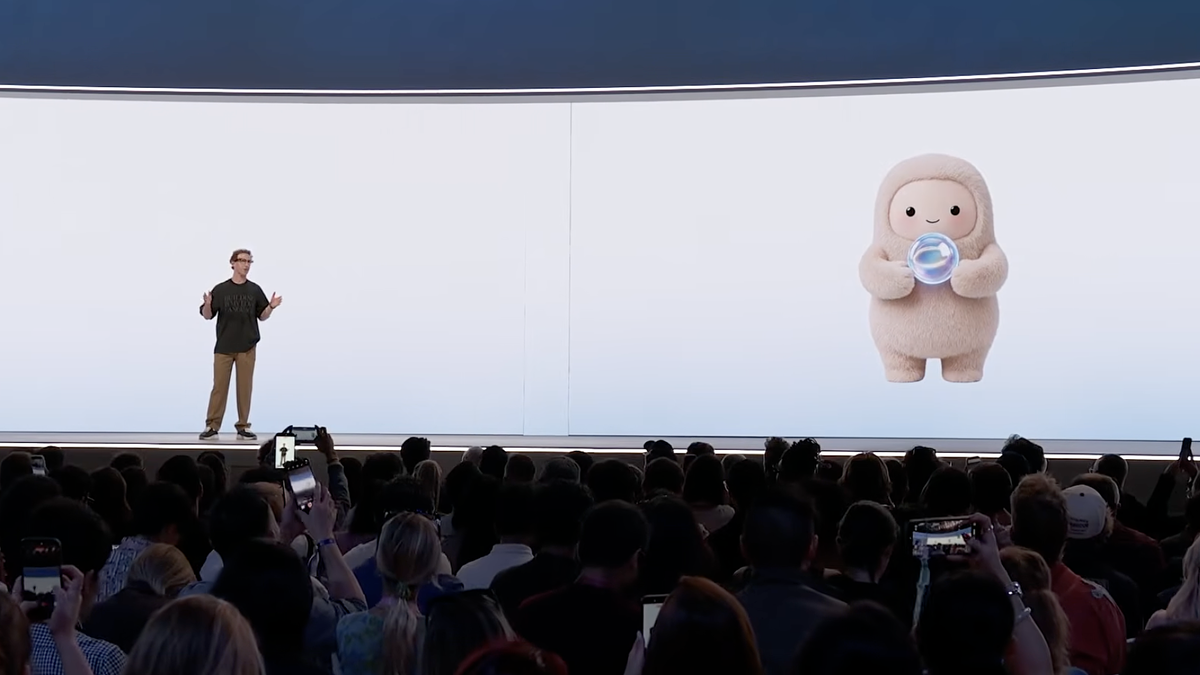
A year ago, Meta was still considered to be lagging behind in the AI race. But now, Mark Zuckerberg's company owns one of the most buzzed-about products in the industry: Muse. According to some Meta employees sharing with Business Insider, the product is the result of months of intense work by the team led by Nat Friedman, with thousands of employees mobilized to train the agent to perform the tasks.
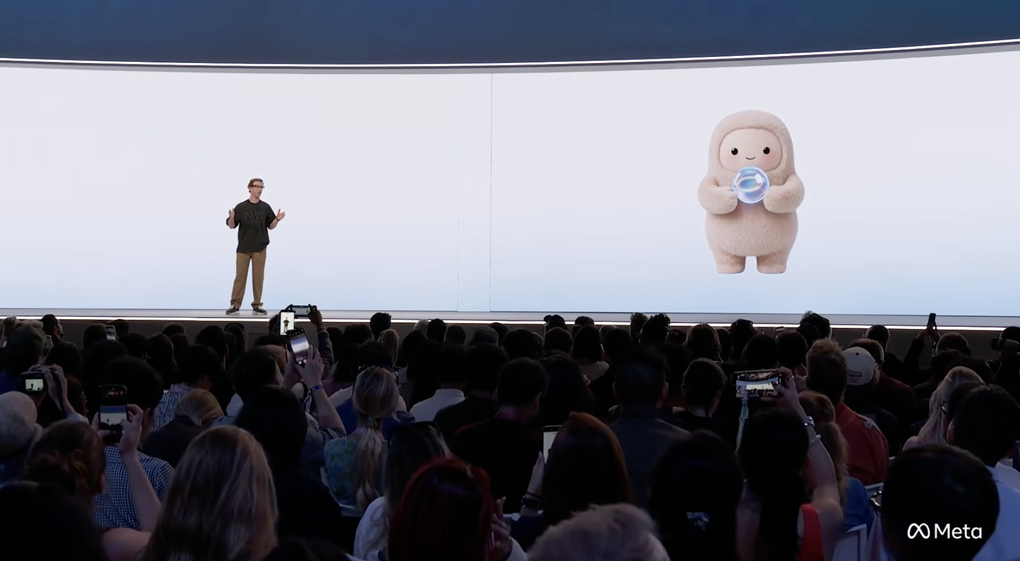
From September 2025, after leaving Github to join Meta as head of the Product and Applied Research team, Friedman immediately implemented the Hatch project, the original name of Muse. But by the end of 2025, Hatch still had not made significant progress.
By early 2026, OpenClaw was born and caused a stir, forcing Friedman to "act quickly". He found the tool worked very well on computers, but was difficult for the average user to understand. Therefore, Friedman set out to create a more accessible version. He sent out a two-page internal memo titled "Claw is the Law," praising OpenClaw and purchasing hundreds of Mac Minis to train AI models for Meta's superintelligence team.
Despite the large concentration of resources, Muse initially caused concern. Some employees commented that the model was ineffective, "not much different from a chatbot, sometimes worse and with more redundant steps".
However, Muse continues to be Meta-tested. Tens of thousands of employees were mobilized to use this AI for many months, focusing on testing different real-life use cases for the agent, which became a key factor in helping the model become flexible later.
With user data from multiple Meta platforms combined with extensive internal testing, Friedman's team gradually improved Muse's ability to perform difficult tasks. For example, the ability to schedule meetings and cancel airline tickets, which Silicon Valley compares to "climbing hills" because of its complexity, is performed quickly by this chatbot with a low error rate.
The development team also trains Muse not to share too much personal information about users, focusing on ensuring seamless interactions. "Researchers have spent a lot of effort guiding agents to choose the right tool for each task," Alexandr Wang, Meta's AI Director, shared at the Meta Connect 2026 conference on September 23 in Menlo Park, California.
According to one source, Friedman's role is very important. Since last year, he and Wang have been drafting a "super-intelligent personal assistant that acts as a trusted friend and advisor."
Friedman is considered straightforward, good at technology, and likes to do everything himself. Many employees said he had opinions and was always proud of his opinions, sometimes causing discomfort to other groups. Speaking to Fortune, Andy Stone, Head of Meta Communications, called Friedman "a truth teller".
On his personal blog, Friedman said that "slow is fake", it is important to do things quickly. Late last year, he asked Meta's AI team to abandon slow internal tools and switch to third-party applications, such as Vercel - a cloud platform that helps programmers automatically upload source code to the Internet.
Muse launched on September 8 with a friendly interface and features. It can perform tasks on its own such as booking tables, booking airline tickets, shopping, sending emails, filling out forms, looking up information, finding pet sitters or connecting Spotify, Instagram, OpenTable services. After a week, this virtual assistant climbed to number one in the free application rankings on the App Store in the US, surpassing ChatGPT.
One Meta employee described it as the result of "months of sweat, tears and effort". Even just two weeks earlier, chatbots were still having difficulty displaying fluent English. "Even though it took a long time, now anyone, even the elderly, can use Muse," Wang wrote on Twitter mid-last week.
In addition, Muse's success also comes from Meta's ability to aggressively recruit personnel. During a year of building the chatbot, the company in turn brought in David Singleton and Hugo Barra, two co-founders of the startup Dreamer, or recruited Pete Steinberger, the creator of OpenClaw, for the new product.
According to CNBC, Wall Street is reacting positively to Muse as Meta shares continue to increase. Expert Lloyd Walmsley of investment bank Mizuho Americas commented that the "optimism" with Meta has become increasingly clear since this AI appeared.
However, according to Hadi Javeed, co-founder of healthcare startup RevelAI, security and privacy issues still cause concerns on Muse, such as the risk of the app making purchases without user permission.
Zuckerberg said Meta previously delayed announcing Muse because of safety and product liability concerns. Sharing with Health, he and Friedman personally contacted Moxie Marlinspike, founder of Signal, to design the security architecture for the AI assistant. According to Wang, Muse is the first step and the company has other "equally big" ideas, the first being the new Watermelon model.
"The kitchen has just started working," Wang wrote on Twitter on September 22.