AI model predicts location of missing person
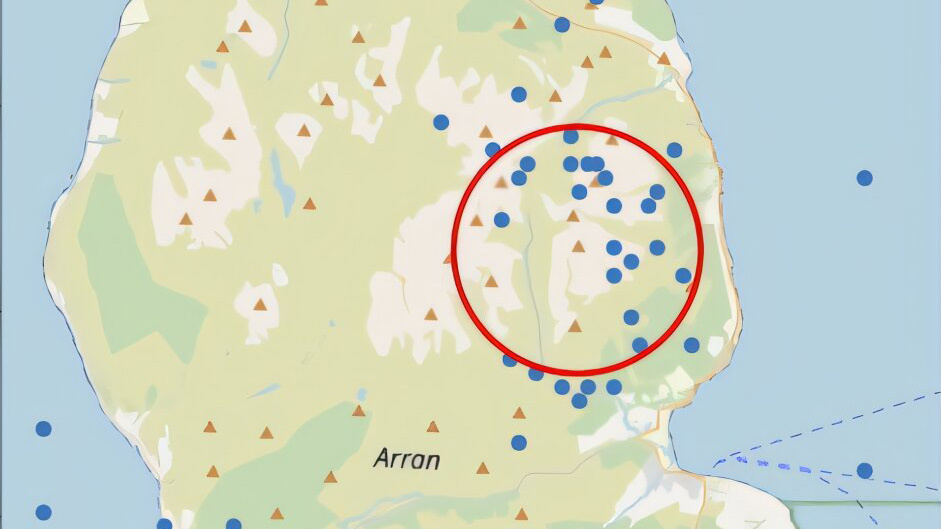
The model is built on reports of lost people's movements and creates a probability heat map showing where they can be found in various landscapes, TechXplore reported on April 11. The research team hopes the new model can lead to the development of an effective method to help rescue teams choose where to focus their searches. New research published in the journal IEEE Access.
According to Jan-Hendrik Ewers, a PhD student at the James Watt School of Engineering at the University of Glasgow and lead author of the study, he and his colleagues dug through many old studies on how lost people act in real-life situations.
This process helps them create AI agents - simulated humans whose behavior is governed by algorithms and sub-models. Each agent is designed with a specific goal in mind, such as finding water, trees, buildings, or roads. Simulated agents decide where to go based on a number of factors such as current location and whether their preferred terrain is in view.

To test, the team placed AI agents - playing the role of missing people - at various locations on a digital map of the Isle of Arran, an island located off the west coast of Scotland. They were surprised to see that the probability distribution map closely matched actual data on where missing people are typically found. This shows that AI agents act similarly to real people, and the new AI model will be a useful tool for future search and rescue missions.
"One of the advantages of the psychological modeling approach to finding missing people is that it can be applied to any landscape. This means it will help search and rescue teams around the world, regardless of whether they are working in mountains, jungles or deserts," said David Anderson, a professor at the James Watt School of Engineering and co-author of the study.
Thu Thao (According to TechXplore)