Muse Charm - Meta's bet on the youth accessory trend
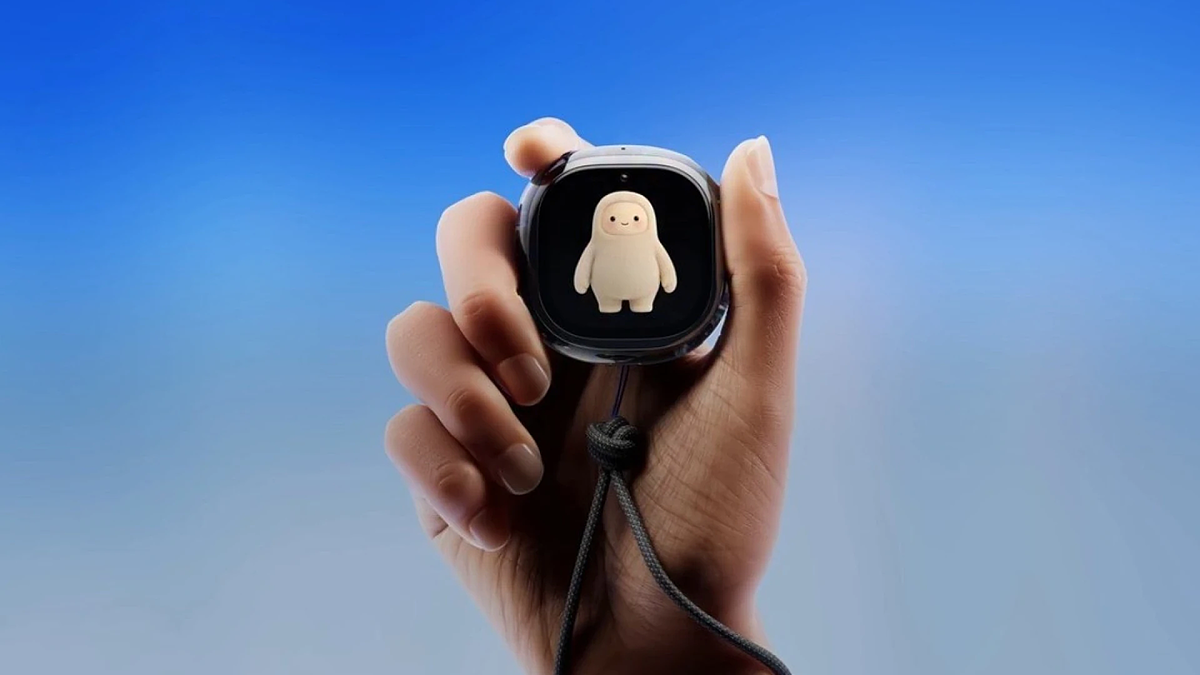
At the annual Connect 2026 developer conference at the end of September, Meta announced the Muse Charm equipped with a 2-inch screen, controlled by a thumb, with a customizable Muse mascot in the middle. The internal 5G modem allows Muse to be accessed even without wifi, even though the device cannot make calls.
CEO Mark Zuckerberg mentioned quite little about Muse Charm's capabilities, only saying that users can chat with the device to interact with the AI assistant without unlocking the phone or opening the application. He also did not reveal the selling price, but said Meta needs to complete the component arrangement and is expected to be ready for delivery by the December holiday season. "We have integrated a lot of technology into this small device," he emphasized.
Linda Sui, founder of market research company Smart Analytics Global, commented: "Muse Charm can attract Gen Z and young consumers. The combination of AI, fashion and personalization will appeal to them, especially if the product is affordable and easy to use."
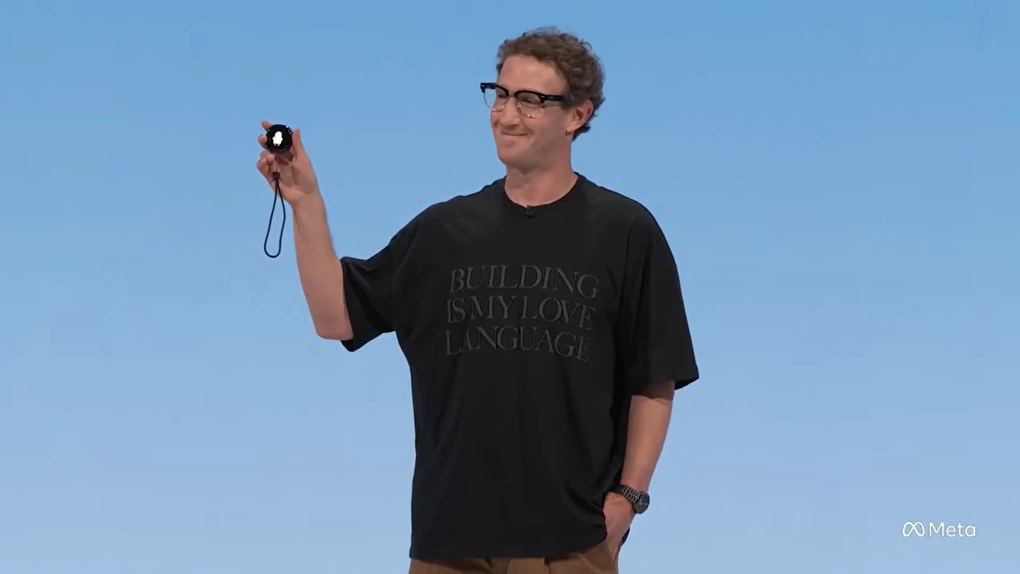
According to Tech Crunch, Muse Charm has the potential to attract Gen Z users, who prefer small items used as decorative keychains. Many items from lip gloss, hand sanitizer, sunscreen to perfume have been turned into accessories, mainly aimed at women.
For example, in 2024, the Labubu bag-hanging plush animal craze helped Chinese toy company Pop Mart's revenue reach 1.8 billion USD, an increase of 7 times in 2019. Although it has gradually cooled down, handbag decoration accessories are still not outdated. One analyst firm estimates that the global handbag accessories market will grow to more than $1 billion by 2030.
Experts say that they are popular because they are a means of expressing personality. Similarly, Meta's Muse mascot is customizable, giving users design freedom, turning the AI agent into a mirror image of themselves.
According to the Guardian, the Muse Charm is like a personalized and adorable friend, in line with Zuckerberg's commitment to a personal super-intelligence device that can be worn and talked to. The device also reflects the cute tech trend, which forecasting company WGSN identified as this year's top trend.
"It's clear that Meta wants to turn the Muse Charm into a companion and do it in the simplest way possible. It has a screen as small as 2 inches, to encourage users to personify the mascot on it, treating it as if it were human," Joshua Paul Dale, a professor at Chuo University, told the Guardian.

Some experts commented that the design of Muse Charm is reminiscent of Tamagotchi, a pocket virtual pet machine that was a toy trend in the late 1990s and mid-2000s. Others said that Muse Charm was inspired by a recent trend: turning old Apple Watches into decorative keychains. On retail sites like Amazon and Walmart, and electronic markets like eBay and Etsy, there are currently thousands of keychains, straps, pendants, clips, and handbag decoration accessories made from old Apple Watches with a variety of designs.
This trend also intersects with the broader retro technology trend, as old-fashioned devices like digital cameras, flip phones, iPods, CDs, cassette tapes, desk phones and wired headphones are quietly making a comeback in Gen Z lives.
The nostalgic trend comes in a context where many young people believe that addictive algorithms, automated content and the "insensitivity" of modern technology make them feel distant, wanting to own devices that can be touched and felt. For example, startup Clicks is reviving the phone keyboard with a product inspired by BlackBerry.
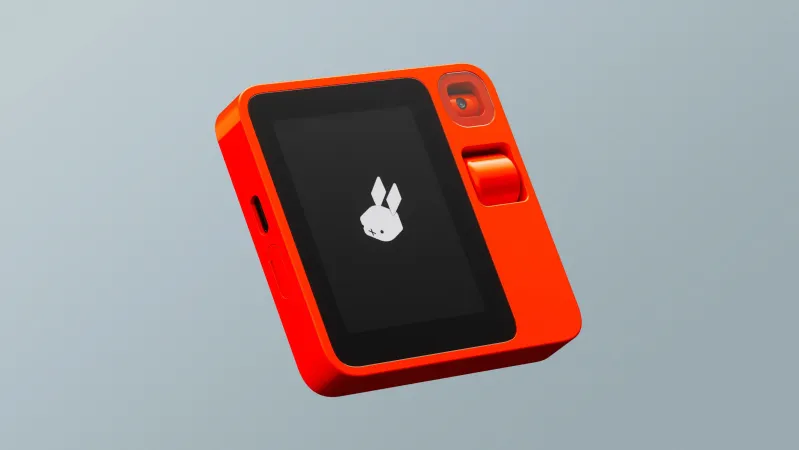
However, designing according to the technology accessory trend does not guarantee that Muse Charm will explode. According to Reuters, some similar solutions have only had limited success. For example, Rabbit R1, a handheld AI device from startup Rabbit with a screen and one button, launched with great fanfare in early 2024 but then failed because it promised too many AI features while the experience was not good.
"Why do I have to carry another device?", Anthony Ferry, CEO of e-commerce company Wayvia, told CNBC about Muse Charm. "To be truly valuable, a device needs to be easier to use than a phone. If you still have to take out your phone to complete work or edit an order, it's just like another thing that needs to be charged."
Linda Sui also expressed caution when predicting Muse Charm's market potential. "Unless it offers unique features that cannot be easily replaced by smartphones, watches, headphones or smart glasses, Muse Charm will likely remain a 'nice to have' device for pioneers rather than becoming a mainstream product," she said.