Musk renamed xAI to SpaceXAI
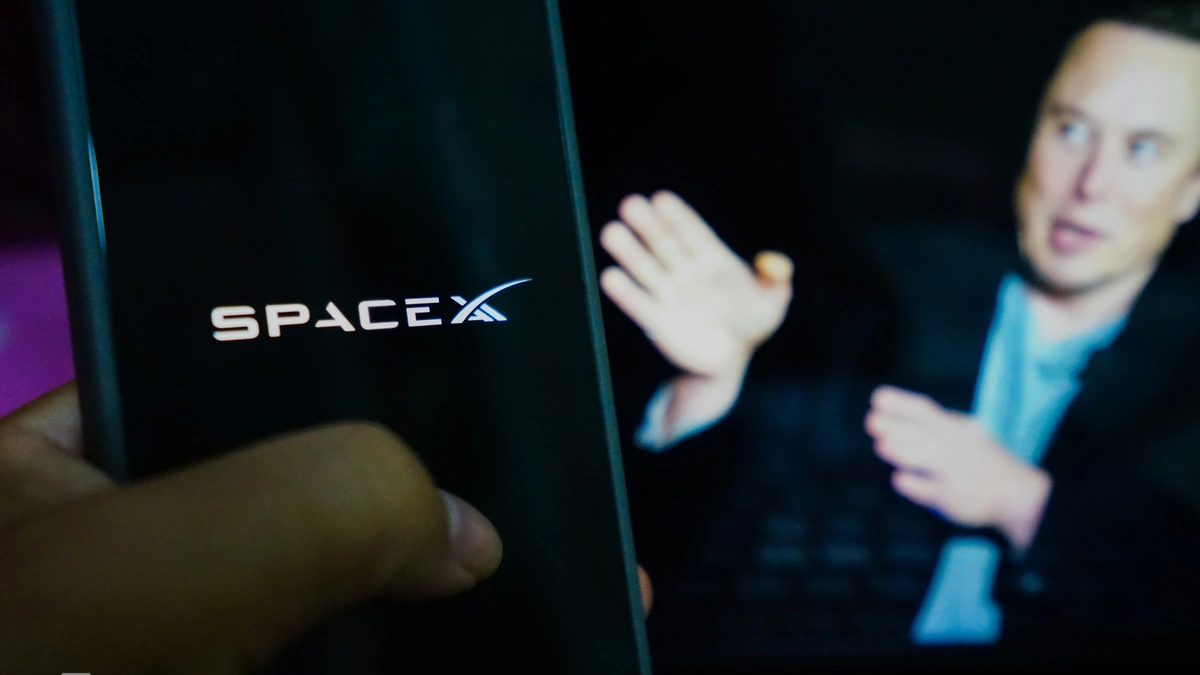
In the announcement on July 6, along with changing the brand name, SpaceXAI also released a new logo and updated the name on Twitter. The company posted a video showing that compared to the old logo, the new text is stylized and more similar to the SpaceX logo.
Musk did not comment on the above change, except for resharing SpaceXAI's video.
xAI is an artificial intelligence company founded by Musk in July 2023 with the ambition to "understand the true nature of the universe" and develop an alternative to ChatGPT. In a short time, this startup has become one of the notable competitors of OpenAI, Google DeepMind and Anthropic thanks to the Grok language model and the Colossus supercomputer system for large-scale AI training.
However, over time, Grok was evaluated as lagging behind its competitors, especially in programming abilities, according to Benzinga. In February, SpaceX acquired xAI. In March, the billionaire admitted xAI may have to "rebuild from scratch".
Business Insider assessed that the xAI rebranding took place after SpaceX's famous initial public offering (IPO) last month. The aerospace technology company made history when it raised $75 billion, thereby valuing it at about $1,770 billion, making Musk the world's first trillionaire.
Elon Musk now aims to build an AI data center in outer space, and integrating xAI into SpaceX serves that purpose. "Current advances in AI depend on large-scale ground data centers, which require huge amounts of power and cooling systems. Global power needs for AI simply cannot be met by ground-based solutions, even in the short term, if not causing difficulties for the community and the environment," Musk wrote on the SpaceX website at that time.
According to the American billionaire, SpaceX bought xAI to create the most ambitious vertically integrated innovation system on and off Earth, including AI, rockets, satellite Internet, direct communication with mobile devices and the world's leading real-time information and free speech platforms.
"Space is the only way to expand on a large scale," the American billionaire responded to a Twitter account on July 5 when asked about this issue, arguing that giant AI data centers on Earth are "facing delays" related to litigation, land disputes, power grid restrictions and opposition from local people.
Before that, Musk was also ready for ambitious plans. Earlier this year, SpaceX announced its request for permission to launch one million satellites in Earth orbit to operate and process AI data, thereby "supporting the application of artificial intelligence for billions of people and ensuring humanity's multi-planetary future". Last month, the company introduced its first-generation AI1 satellite, which is "simpler than Starlink's hardware" because it only requires solar panels, heatsinks and laser links, without complex communications antennas. However, many experts assess that the goal will be difficult to achieve due to a series of problems with costs, operating methods, and maintenance of systems in outer space.
In February, OpenAI CEO Sam Altman also said that the intention to build a data center in outer space is "ridiculous" at present because the technology is not yet complete. ChatGPT's boss at that time affirmed that data centers in orbit could become a reality in the future, but emphasized that there would still be a series of difficult barriers to overcome such as the cost of launching satellites and difficulties in repairing equipment in the space environment.