'Nuclear energy contributes to helping Vietnam ensure energy security'
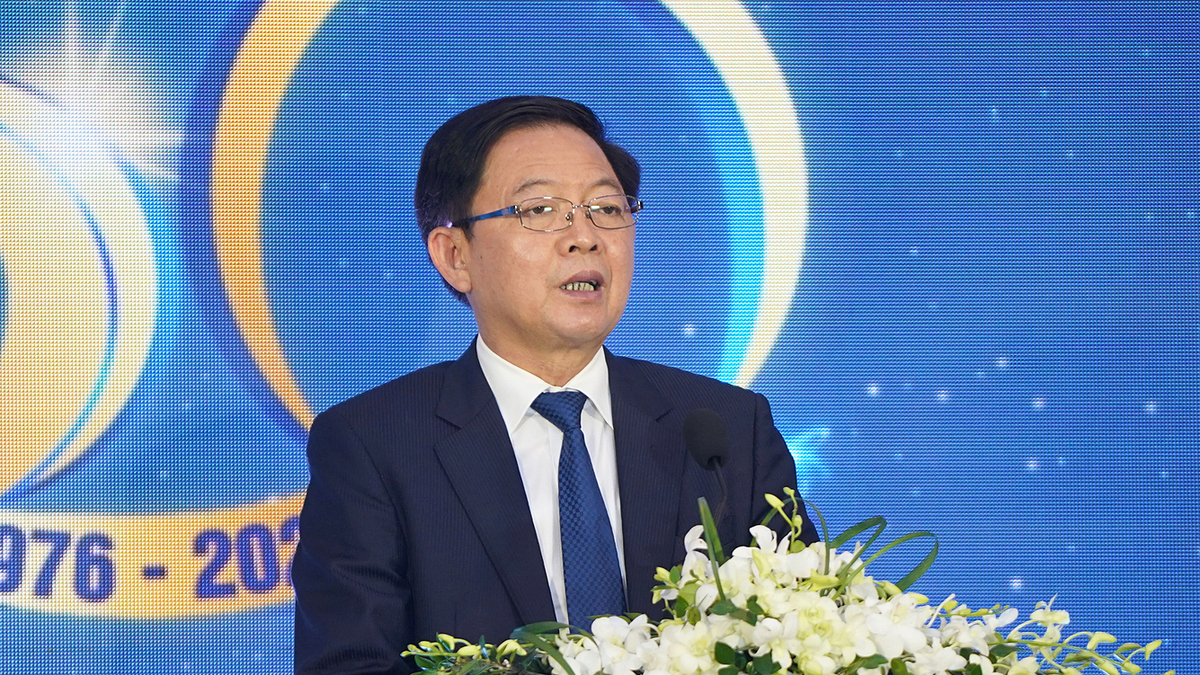
This is the task stated by Deputy Prime Minister Ho Quoc Dung at the 50th Anniversary of the establishment of the Vietnam Atomic Energy Institute (Vinatom), on the morning of July 7. He said that with strategic goals, the Government has urgently implemented many comprehensive and synchronous tasks and solutions, including preparing to deploy the Ninh Thuan 1 nuclear power plant project and the nuclear science and technology research project in Dong Nai. "These are very large and important national projects, requiring relevant agencies, including the Vietnam Atomic Energy Institute, to focus a lot of resources on implementation," he said.
Emphasizing that Vinatom is Vietnam's core nuclear science center, the Deputy Prime Minister recognized important achievements over the past 50 years, notably the restoration and return to operation of the Da Lat Nuclear Reactor in 1984. From this foundation, a system of specialized research units has been developed to help Vietnam master many nuclear technologies and radiation techniques. Along with that, the Institute has had multidisciplinary applications, directly contributing to socio-economic development.
The Deputy Prime Minister also mentioned many achievements such as: mastering the technology of preparing various types of isotopes and radiopharmaceuticals for nuclear medicine; Selecting and creating mutant varieties using radiation techniques, helping to increase productivity in agriculture; Non-destructive testing and radioactive labeling techniques have effectively served key economic sectors such as oil and gas, petrochemicals, and sterilization irradiation.
In addition, the Institute has built and operated the National Environmental Radiation Monitoring and Warning Network, playing an important role in ensuring radiation safety and responding to cross-border nuclear incidents.
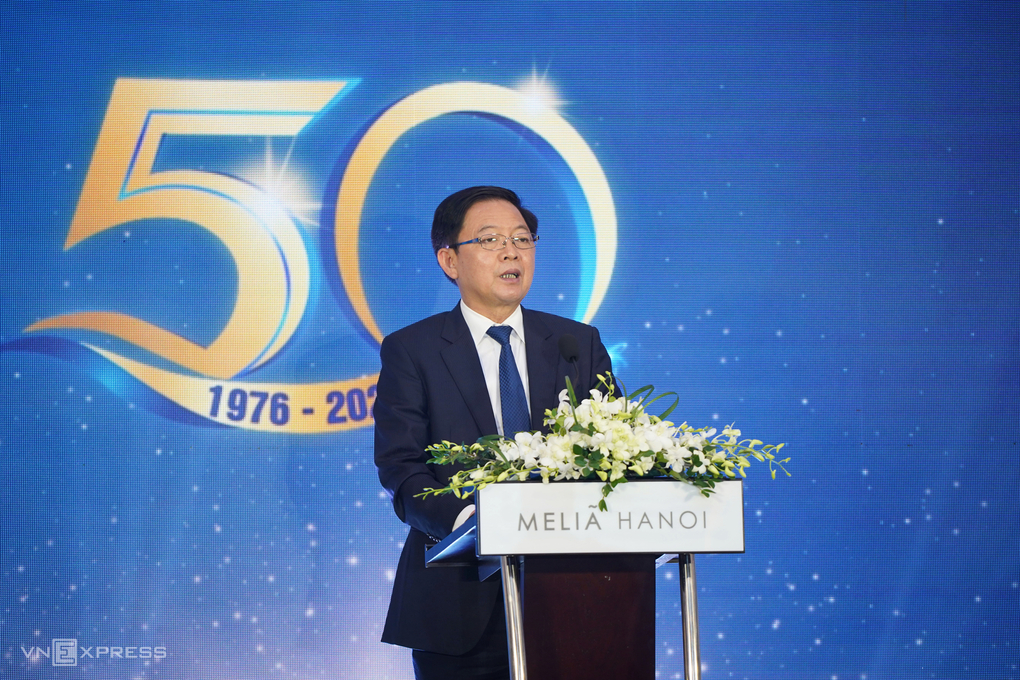
In the new context, the Deputy Prime Minister proposed that the Institute need to promote the application of atomic energy in life, especially in health, agriculture, industry, environment and response to climate change; Research and perfect deep processing technology for rare earths and titanium. "It is necessary to complete and effectively operate the national environmental radiation monitoring and warning network, ensuring absolute safety for people," he said.
The Deputy Prime Minister assigned the Vietnam Atomic Energy Institute key tasks in the coming period. First of all, consolidate the organizational model, aiming to become a core organization in research, application, training and support for businesses to master nuclear technology according to the Atomic Energy Development Strategy to 2035, vision to 2050. At the same time, focus resources on implementing the Nuclear Science and Technology Research Center in Dong Nai on schedule, safely and effectively; proactively participate in Vietnam's nuclear power program, gradually mastering advanced reactor technologies.
The Deputy Prime Minister also requested the Institute to promote training, attract domestic and foreign experts, and prepare human resources for nuclear projects; Strengthen cooperation with international organizations, especially the IAEA, to improve Vietnam's nuclear science and technology capacity.
Noting the instructions of the Deputy Prime Minister, Minister of Science and Technology Vu Hai Quan affirmed that he will work with the Vietnam Atomic Energy Institute to coordinate with units to implement assigned tasks. He also thanked the Institute's generations of personnel over the past 50 years, and pointed out one of the biggest challenges is the next generation of personnel for the industry.
The Minister suggested that the Institute soon organize a discussion with the participation of nuclear scientists from previous generations, thereby proposing appropriate and realistic policies for the industry.
Important marks
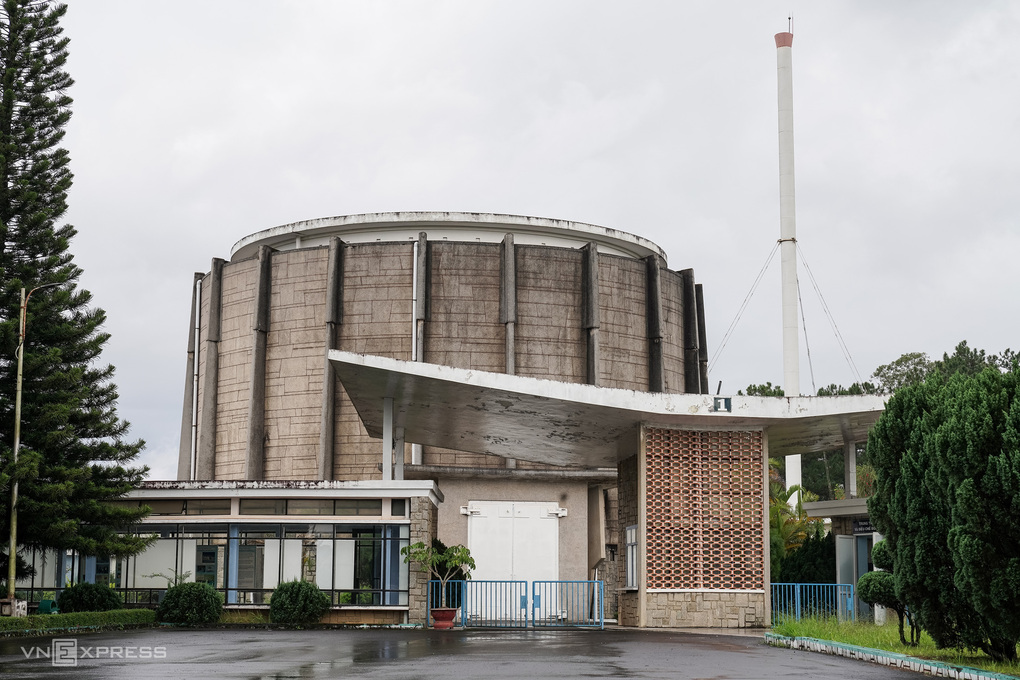
According to Vinatom, in the Institute's development history, the restoration, upgrading and operation of the Da Lat Nuclear Reactor in 1984 is considered "a symbol of the spirit of overcoming difficulties and the desire to master nuclear technology for peaceful purposes" of Vietnamese scientists.
Over the past four decades, this project has become the most important nuclear research center in Vietnam, serving scientific research, human resource training, neutron activation analysis, materials research, and production of radioactive isotopes to serve the diagnosis and treatment of diseases for millions of people.
According to the Institute, research results have been applied in many fields such as health, agriculture, industry and environmental protection. Science and technology service activities achieve revenue of nearly 500 billion VND per year.
In the medical field, the Institute researches and produces more than 30 types of radioactive isotopes and tracers, supplying many hospitals for diagnosis and treatment, especially cancer. During the Covid-19 period, when international supply was interrupted, the Institute increased reactor operating capacity to meet 80-100% of domestic radiopharmaceutical demand.
In the field of agriculture, nuclear and radiation technology are applied in selecting plant varieties with high productivity, quality and adaptation to climate change. In industry, non-destructive testing techniques, radioactive tracer and isotope applications are used in many industries such as oil and gas, petrochemicals; VINAGA1 irradiation line serves sterilization of medical supplies and food pasteurization.
In recent years, the Institute has also participated in preparing human resources, scientific facilities and infrastructure to serve the national nuclear power program, and advised on atomic energy development policies.
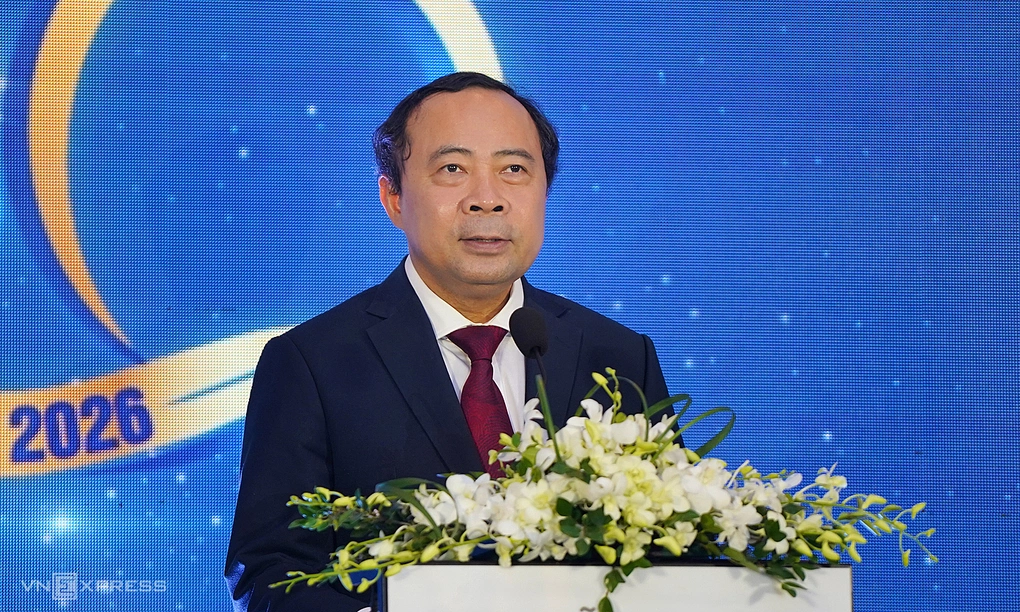
Emphasizing that atomic energy is always developed in Vietnam for peaceful purposes, for people and for the country's sustainable development, Director Tran Chi Thanh said that in the coming period, Vinatom's goal is not only to become a strong research institute but also to become a strategic national nuclear science and technology organization.
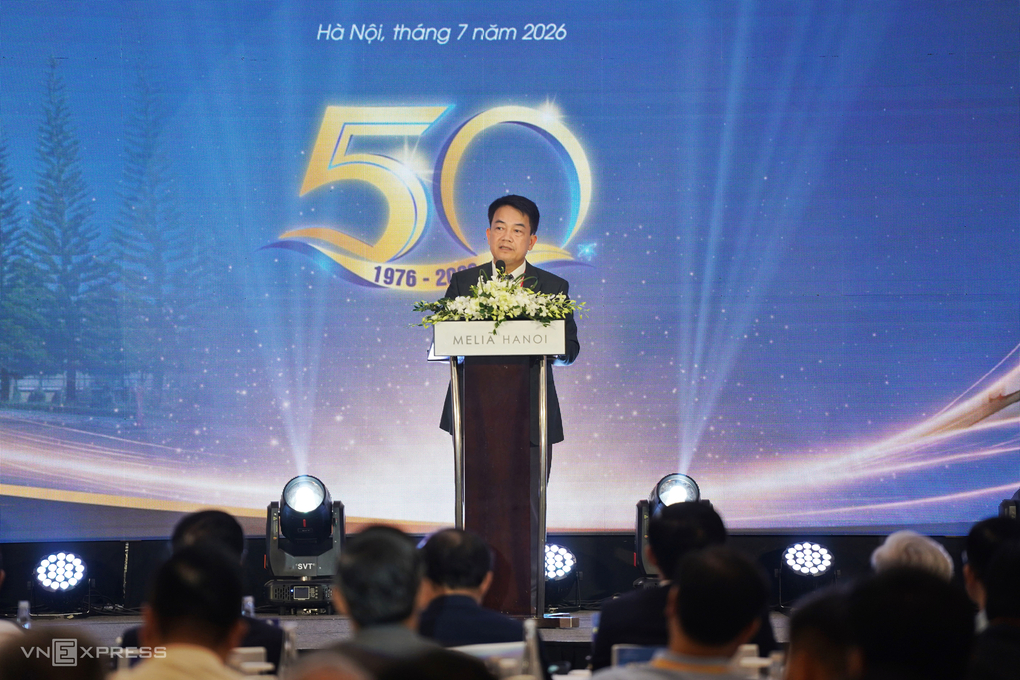
According to him, the Institute will focus on improving research capacity, mastering and transferring technology, training high-quality human resources, participating in implementing the nuclear power program, developing applications in health, agriculture, industry and the environment, and building a modern Nuclear Science and Technology Research Center.
"Vietnam Atomic Energy Institute will continue to be worthy of being a place of intellectual convergence, the origin of innovation and the nucleus of national nuclear science and technology," said Dr. Tran Chi Thanh.
Luu Quy