NASA deploys robots to save telescopes about to fall to Earth
The robot-carrying rocket was launched from an airplane over the airspace of an archipelago in the Pacific Ocean on July 3, several days later than planned due to weather and technical problems.
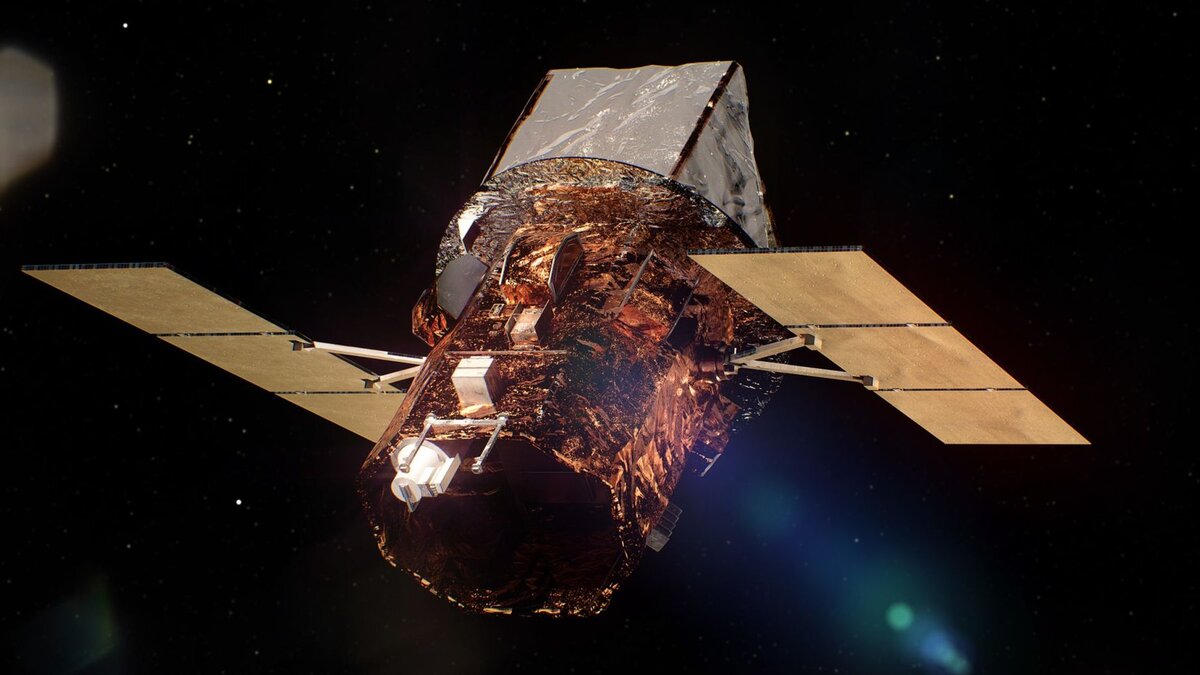
Once in orbit near the Swift telescope, the robot will deploy its solar panels and begin its pre-mission technical checks. It must locate Swift, approach and connect with the target with three robotic arms, the entire process can last for weeks.
The robot then sought to increase the telescope's altitude by 300 km, similar to Swift's original orbital position. This phase lasts at least a month.
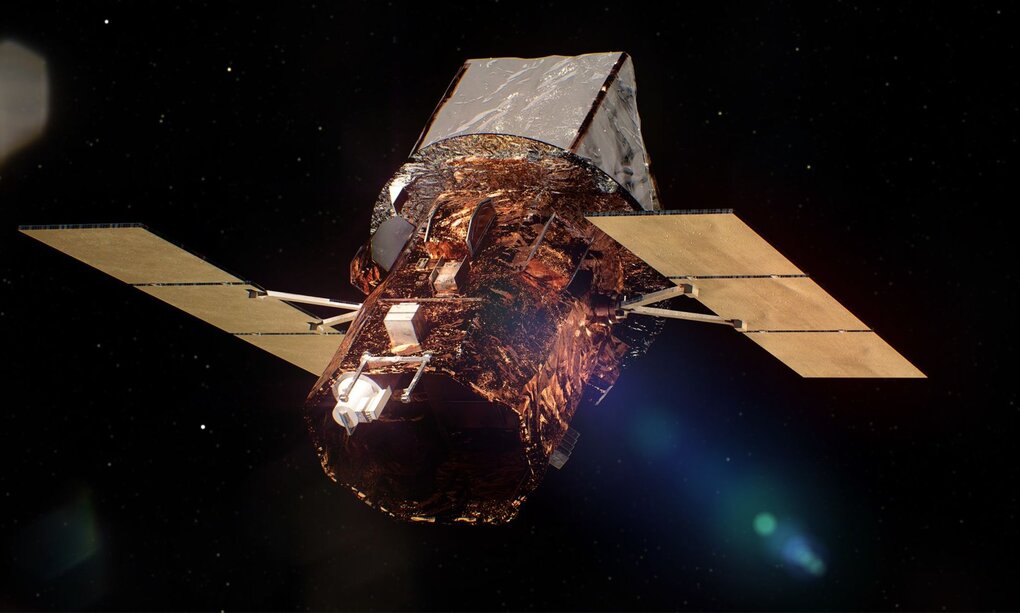
If successful, the mission will demonstrate that a relatively small vehicle can extend the life of a much more expensive telescope that is not designed for maintenance. This will pave the way for similar operations in the future, helping to extend the operating life of space telescopes and satellites in orbit.
"A series of 'firsts' will take place during the mission. I'm very grateful that the mission was approved," said Shawn Domagal-Goldman, director of NASA's space physics division.
The $250 million Swift space telescope was launched by NASA in 2004 to study gamma-ray bursts and other high-energy astrophysical phenomena. Gamma-ray bursts are short-lived bursts of high-energy light, but the amount of energy released in a few seconds is even greater than the Sun releases during its lifetime.
"In this regard, Swift was extremely successful, detecting more than 2,000 gamma-ray sources stretching to the edge of the visible universe," explains Brad Cenko, principal investigator on the Swift project. He also emphasized that the telescope helps scientists confirm that the heaviest elements known to humans, including gold and platinum, formed from these explosive cosmic events.
Swift, which operates in a high orbit of about 600 km, can quickly change direction to observe new targets. It was initially scheduled to operate for two years, but remains in good condition more than two decades later, save for gradually re-entering the atmosphere. Last year, experts realized that Swift was descending faster than estimated and could fall to Earth later this summer.
Diep Anh (According to AFP, CNN)