Neuracle - Neuralink's brain chip competitor in China
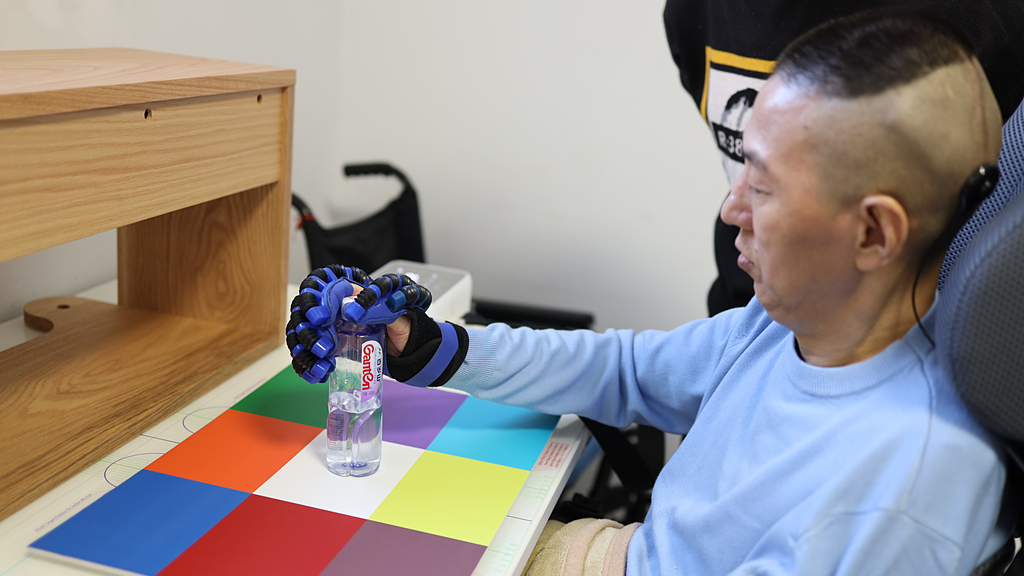
One morning in October 2025, while sitting in his yard in Henan province (China), Dong Hui, 39 years old, tried to see if he could hold a pen and write. More than 6 years ago, he suffered a spinal cord injury in a car accident and has been paralyzed ever since.
"Thank you," he wrote on the paper, then wrote the date.
This is the result of a rehabilitation process lasting more than 11 months through Neuracle's brain implant device, which Hui was one of the volunteers participating in the trial. Before that process, he could only slightly move his arms, unable to use his fingers.
Hui became one of the first people in China to have an invasive brain-computer interface (BCI) chip implanted through brain surgery after watching TV and seeing an old man with paralyzed arms able to hug his granddaughter. "I couldn't believe I was writing again. I was so excited that I even misspelled the stroke in my name," Hui shared with MIT Technology Review at the end of May.
Pioneering BCI company
On its website, Neuracle Medical Technology said it was founded in November 2011 in Shanghai, starting as a brain science and neuroengineering research laboratory of Tsinghua University. The company has two founders, but only one is known to be Mr. Xu Honglai, who received a doctorate in biomedical engineering from Tsinghua University.
The company did not operate too prominently until recent years, especially since early 2026 when it became the only unit licensed by China's National Medical Products Administration (NMPA) for commercial products for Neural Electronic Opportunity (NEO) - a device that helps paralyzed patients regain the ability to move their hands, marking the first time in the world that an invasive BCI product is allowed to be sold and used on patients instead of stopping at testing and research. On July 15, the company completed the first commercial implantation of a BCI chip into a human.
According to SCMP, Neuracle's development path is quite solid. After its establishment, in September 2012, the company completed the construction of an R&D and production base in Changzhou, Jiangsu. A year later, the startup received special support from incentive packages in China's 12th Five-Year Plan (2011-2015). At that time, Beijing listed BCI as one of six key industries important for future technological competitiveness, along with quantum, humanoid robotics and several other fields.
By 2014, Neuracle had its first BCI prototype and received positive feedback from experts. At the end of 2015, the company completed an angel funding round of 12 million yuan (1.8 million USD). Three years later, the Pre-A round was also completed with 30 million yuan ($4.5 million). In 2019, capital round A was also successful, reaching 60 million yuan (9 million USD).
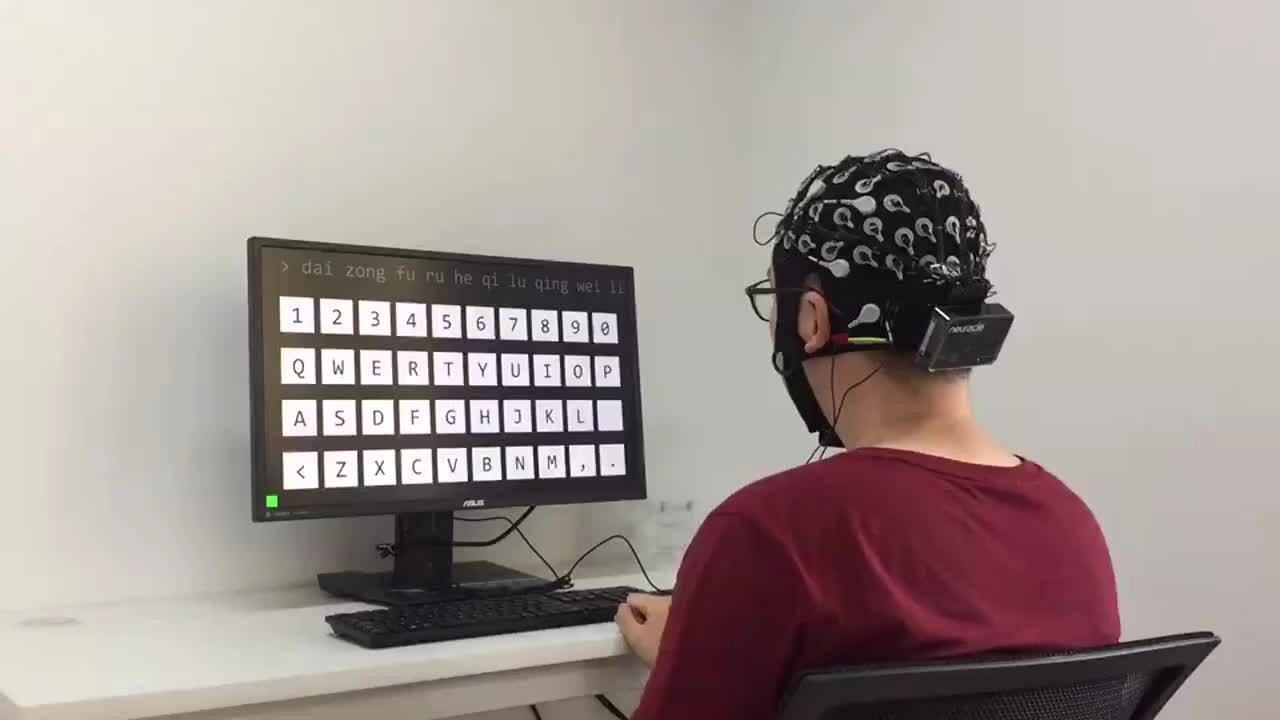
Neuracle's platform powers products in many fields, especially brain research and neurodiagnostics. In 2018, the company held more than 30% of China's BCI market share. Customers are mainly leading research institutes such as Tsinghua University, Chinese Academy of Sciences, Shanghai Jiaotong University and UCSD. The products provide advanced EEG signal collection and analysis capabilities, strong anti-interference, and meet international standards.
However, Neuracle's big step took place in 2020 when it was granted a certificate of successful registration for the world's first ultra-high-frequency and ultra-wideband EEG collection medical device. At that time, the company began researching NEO, or NEO-ONE SCI, and conducted clinical trials in October 2023. A year later, in November 2024, the startup began implanting chips on volunteers, and Hui was one of them. During the period 2023-2025, the company has 36 human trials, with 32 cases taking place in 2025, collaborating with 11 leading medical facilities in China, according to China Daily.
The NEO system underwent at least 18 months of safety testing before being commercially licensed on March 13, according to Wired. To achieve this, the device must complete pre-clinical, animal testing, chip design and neural signal validation studies before entering human trials.
On June 11, Neuracle submitted an application for an initial public offering (IPO) to the Shanghai Stock Exchange with the goal of raising 2.5 billion yuan (345 million USD). Of which, 1.54 billion yuan was earmarked for BCI research, 410 million yuan for production capacity and 550 million yuan for working capital.
"Key card" NEO
According to Hello China Tech, two days after receiving commercial approval, China's National Health Security Administration contacted Neuracle and issued a health insurance code to NEO on March 22. In two more days, the product will complete the procurement listing procedure, allowing the hospital to deploy it on patients. This is considered an unprecedented speed in the field.
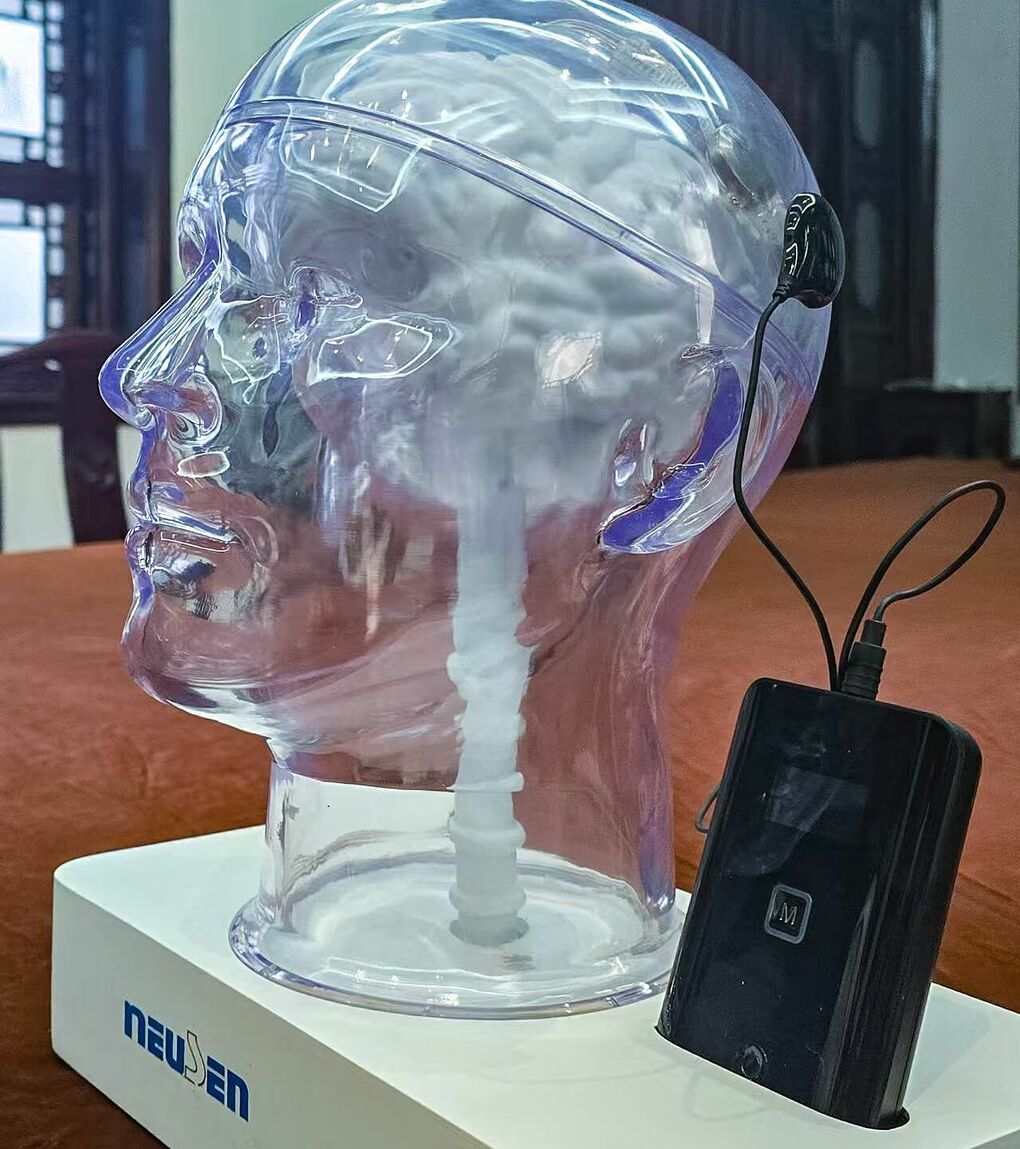
NEO is an implant the size of a coin. The patient will undergo the procedure, which lasts about 90 minutes, with the device's eight sensors placed on the dura mater - the sclerotic membrane that covers and protects the brain. The sensor system collects nerve signals and transmits them to the computer through a small part mounted on the skull. The computer will "translate" the signal into control commands.
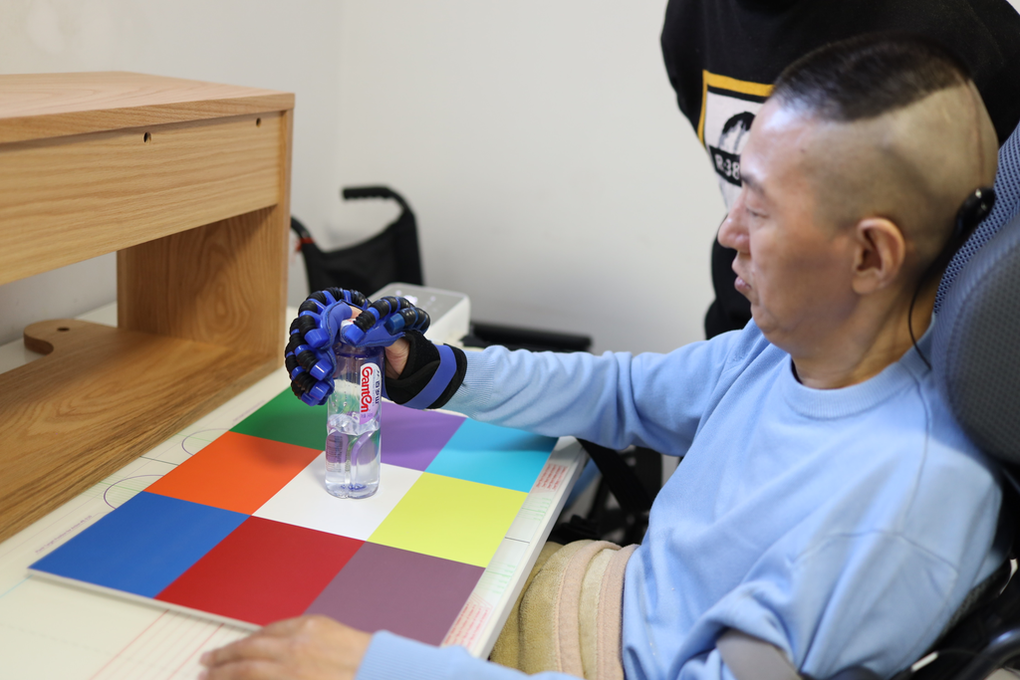
For example, in Hui's case, the surgery took place at Huashan Hospital in Shanghai. When the computer translates the signal into control commands, it is transmitted through the soft robotic glove he is wearing, helping him control his grip. Each day, the "learning" process lasts about 2.5 hours.
"On the 9th day of training, my right hand could hold the ball. It was a magical moment," Hui said.
Similar to Neuralink, Neuracle uses an invasive method - a different solution from fellow company BrainCo, which is non-invasive. However, if Elon Musk's company implants the N1 chip deep inside the cerebral cortex (outermost layer of the brain), Neuracle's chip is only placed on the protective membrane of the brain.
"This design is less invasive, which is why NEO was approved so quickly," Avinash Singh, a BCI researcher at the University of Technology Sydney, told MIT Technology Review. "Neuracle's device has a lower risk of causing hemorrhage, glial cell scarring or long-term signal deterioration, so the possibility of facing legal constraints is also lower."
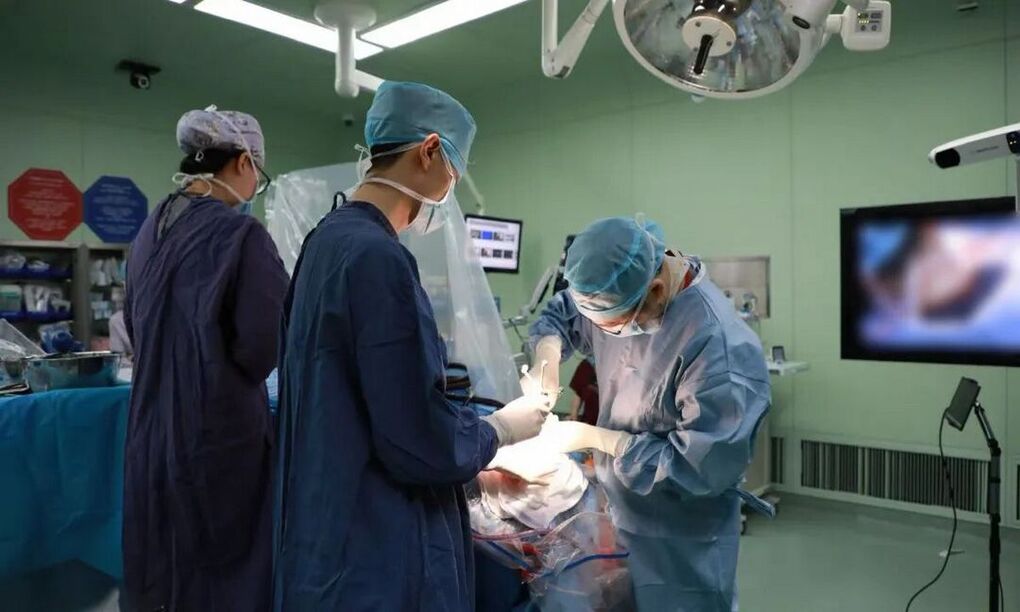
According to Wang Shouyan, a lecturer in neuroscience at Fudan University (Shanghai), the successful approval and commercialization of NEO is extremely important for the global BCI industry. "Although research on BCI has been going on for decades, most of it is done in the laboratory. NEO's new achievement shows that BCI is ready for large-scale production and use in China," Shouyan said.
According to Beijing News, the application potential of NEO in China is huge. It is estimated that the country has more than 3.7 million people with spinal cord injuries, with about 90,000 new cases each year. Approximately 70% of trauma patients are under 50 years of age, demonstrating a need for long-term rehabilitation that BCI can address.
"Looking ahead, as the technology matures and the industrial chain develops, BCI devices such as NEO have the potential to expand applications from spinal cord injury to more diseases, such as lower limb or speech rehabilitation," Mao Ying, director of Huashan hospital, told the Global Times.
Neuracle's achievements with NEO also show that China's BCI ambitions set out more than a decade ago have had some success. "China made pioneering decisions on BCI on a global scale many years ago and has achieved its goals, partly thanks to achievements from businesses like Neuracle," commented scientist Meicen Sun of the University of Illinois Urbana-Champaign (USA).
Nick Ramsey, a neuroscientist at Radboud University Nijmegen (Netherlands), highly appreciates China's achievements in BCI, but believes that it is difficult to compare with other countries, especially the US, when both have fundamentally different visions. According to him, the US focuses on technological leadership and setting new performance benchmarks, while China views success as the ability to reach the masses and deploy technology on a society-wide scale.
As for Hui, what he feels now is that he can write and perform some movements that seemed impossible to do a few years ago. "NEO not only helped me, but also opened up hope to thousands of spinal cord injury patients in China, who are living in despair every day," Hui said. "This technology can unlock the potential to change their lives."