Japanese clams invaded the east coast of America
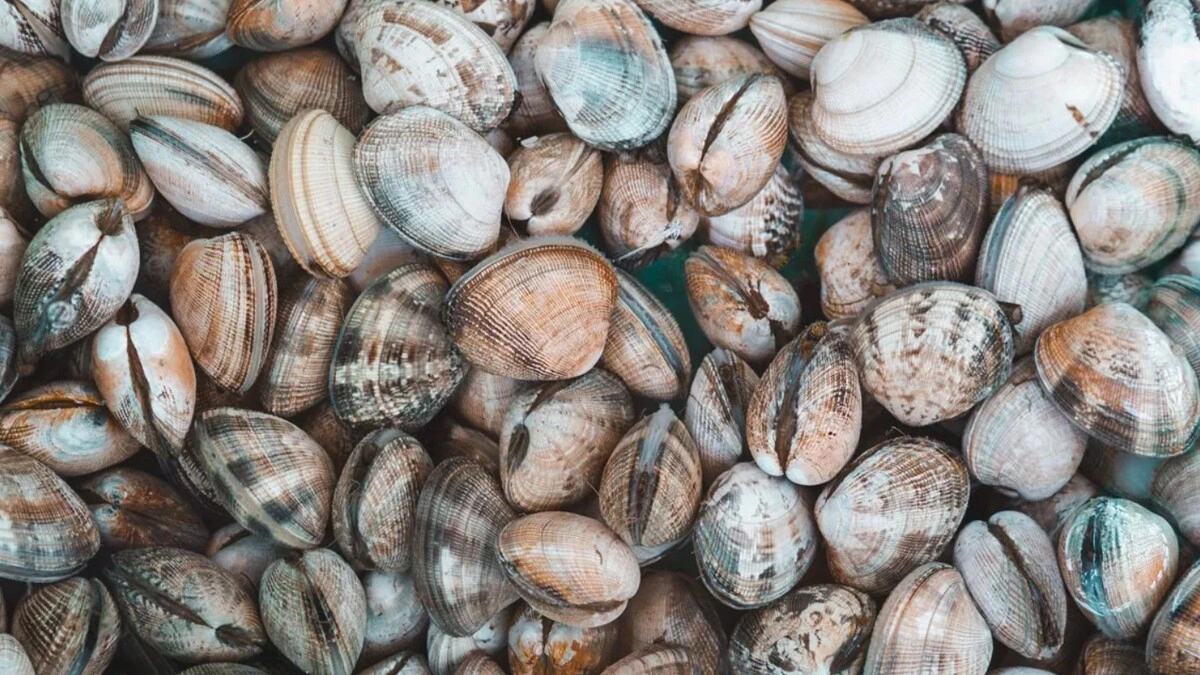
According to USA Today, scientists have confirmed that invasive Japanese clams (Ruditapes philippinarum) are breeding along the Massachusetts coast, marking the first time the species has established a population in the northwest Atlantic. The northwest Atlantic coast was once the last area in the Northern Hemisphere without Japanese clams.
The research team from the University of Massachusetts Amherst (UMass Amherst), the Massachusetts Institute of Technology Sea Grant and the Center for Coastal Studies found live Japanese clams and evidence of them breeding at multiple locations from Boston Harbor to Cape Cod. The new discovery provides researchers with a rare opportunity to observe an invasive species thriving in a new ecosystem. Now, they are racing against time to determine how widespread the species is and whether it can compete with native clams or alter coastal habitats.
Japanese clams, also known as Manila clams, originated in waters stretching from Russia's Sakhalin Islands to Japan and southern China, spreading throughout the world through accidental introductions and intentional introductions. According to ScienceDirect, the Japanese clam exploitation and farming industry brings an estimated global trade value of about 7-7.4 billion USD per year. This species of clam is popular in many countries due to its superior meat quality and naturally sweet flavor. They often bury themselves in sand, mud or gravel in shallow coastal waters, filtering out small particles and plankton. But scientists warn that Japanese clam populations could crowd out native species and reshape coastal ecosystems.
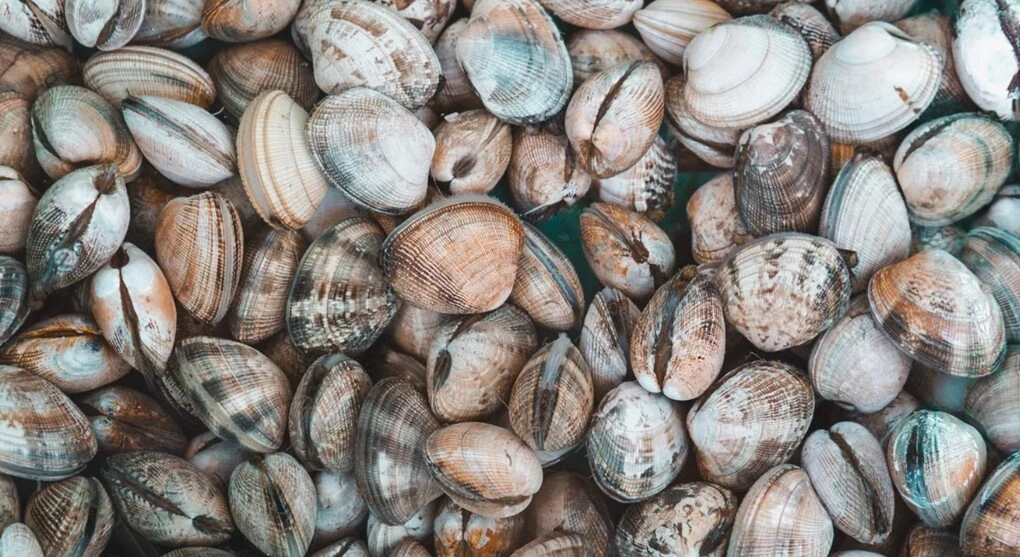
The study, published in the journal Biological Invasions, recorded observations of Japanese clams at multiple locations from 2023 to 2025. Adult clams were 31-71 mm long, while sediment sampling results revealed juvenile clams measuring 1-7 mm. The different sizes represent stages in the life cycle of Japanese clams in Massachusetts, showing that they are growing into populations.
According to Fox Weather, scientists are still unclear how Japanese clams appeared in New England waters or how quickly they spread. The discovery of Japanese clams adds to the growing list of invasive species affecting the Atlantic Ocean. However, researchers say they may provide some ecological benefits such as providing food for seabirds, crabs and many other predators, easing pressure on native clams. According to marine scientist Aly Putnam at the University of Massachusetts Amherst, the biggest unanswered question is whether Japanese clams will become a new ecological disaster in the United States.