Users are gradually skeptical of devices labeled AI
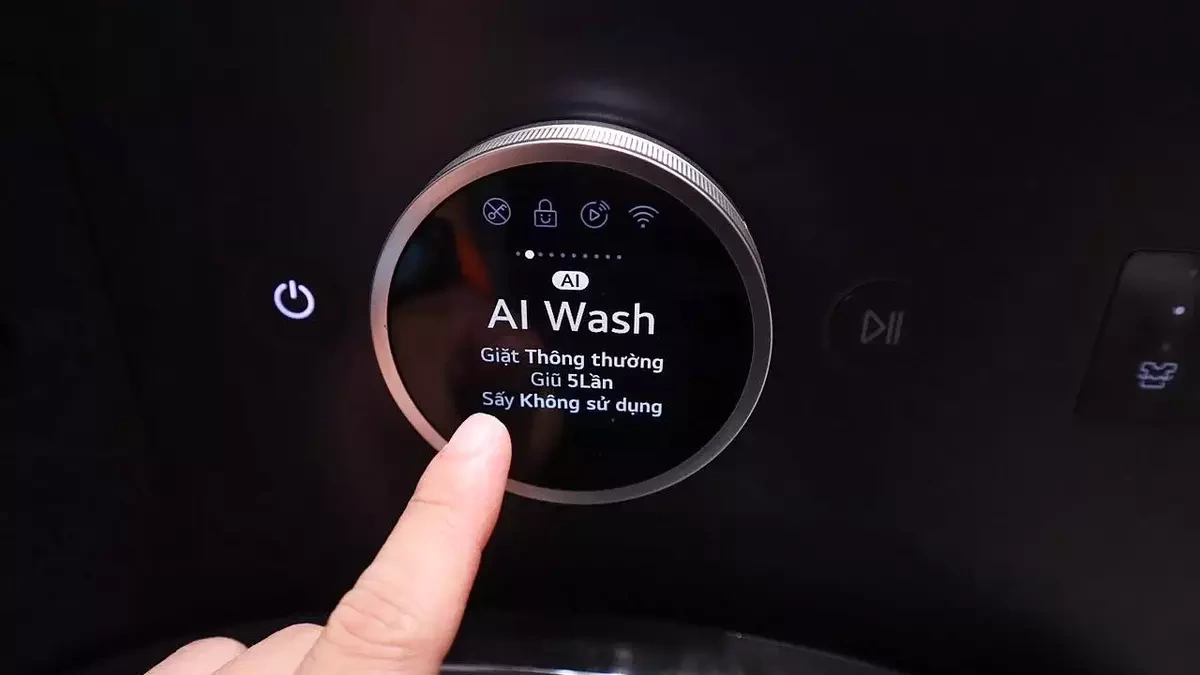
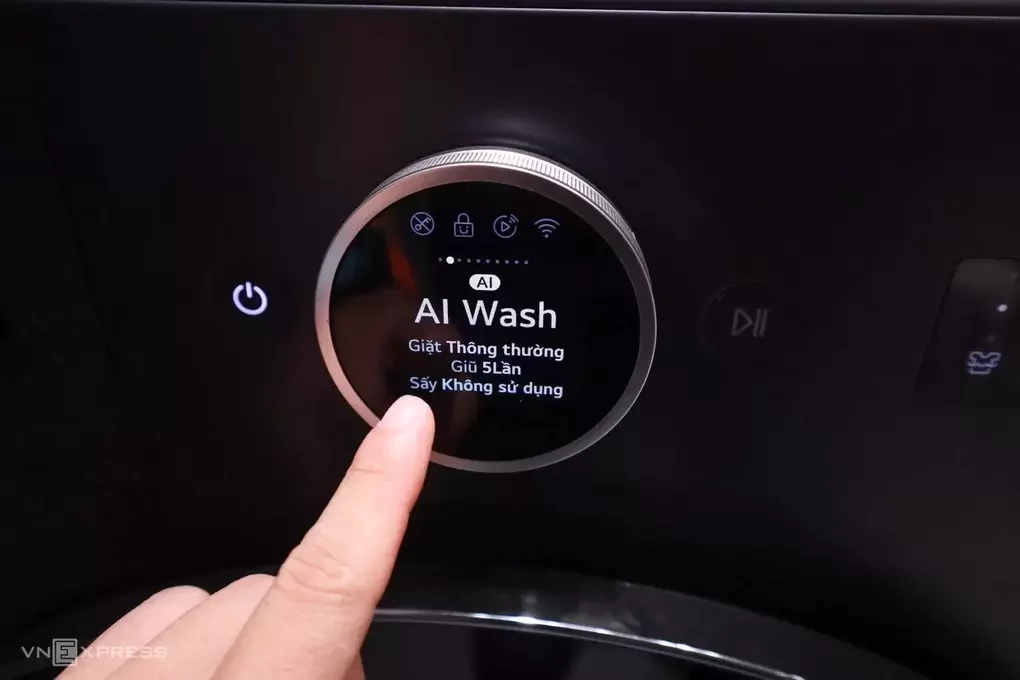
In August, Vu Minh (HCMC) noticed a washing machine advertised as equipped with "smart AI". According to the description, AI helps the device learn user habits, optimize operations, self-distribute laundry detergent and fabric softener, and make appropriate choices without much effort.
However, after more than a month of use, he realized that the device is not much different from the previous washing machine, except for the addition of connection to the smart home system and the ability to control via the application. "Mostly it's automatic mode, sensors and built-in settings, not AI," he said. "Maybe some features use AI, but I'm not sure what features they are and how they differ from regular automation."
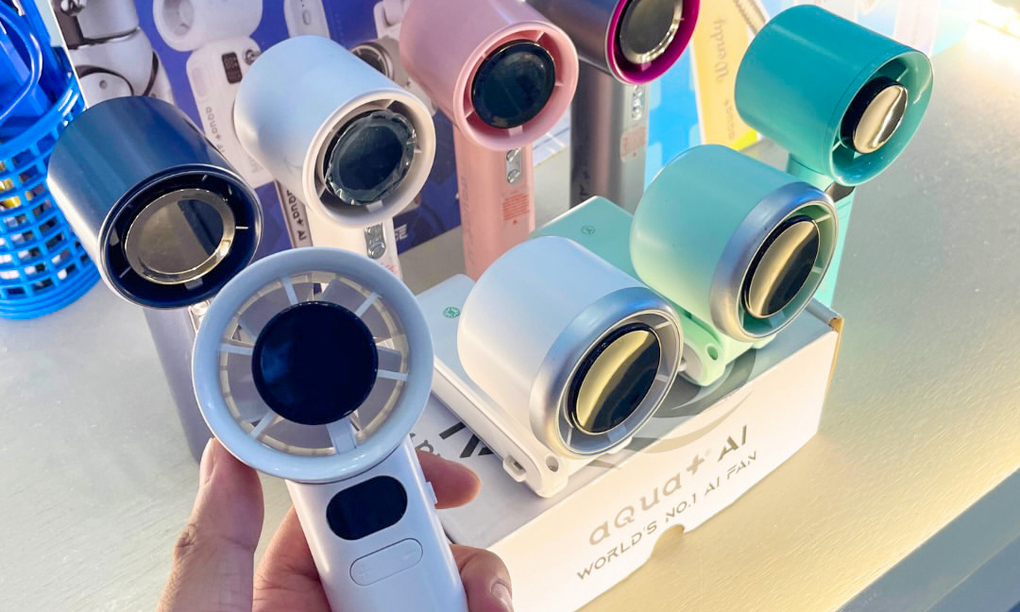
"AI TVs, AI headphones, AI toothbrushes, even mini handheld fans are also called AI Fans. The term appearing so often in advertising makes it difficult for me to distinguish between real AI and what is just a new name for smart features that have existed for a long time," said Truong Thanh, a communications officer in Da Nang who regularly follows new technology products.
Mr. Tuan, 41 years old, doing business in Hanoi, was also excited to see many products integrating artificial intelligence. However, after buying a gaming mouse and an AI air purifier, he did not feel a difference compared to the old version, even though the price was 30% higher.
According to technology expert Pham Hong Phuoc, in the consumer electronics market, artificial intelligence has become a "fashionable trend", especially after the AI boom in 2023.
"There is no denying that there are products that are truly equipped with AI, but there are also many cases of 'cheating', turning 'smart' algorithms into AI, while the actual features have not changed much compared to the previous generation," he said.
This condition is called AI washing. According to Diskurs Monitor, the term appeared in 2017, then systematized and defined more clearly by the AI Now Institute of New York University since 2019, used to refer to marketing activities that hype or fake AI applications. This term is similar to greenwashing - a marketing tactic that exaggerates, distorts or gives false information about the environmental friendliness of its products, services or activities to deceive consumers.
According to Mr. Tran Viet Quan, software expert and founder of Tanca.io, there are three reasons why AI washing has become popular. First, AI is now easier to integrate than before through an open source model or API, so many businesses can include it in products, making the line between substantive applications and over-promotion blurred. Second, in terms of commerce, AI labels help products feel smart, modern and can be sold at a higher price. Finally, there is the marketing factor: artificial intelligence has become a trend that is difficult to ignore, making businesses without AI easily considered outdated.
However, he believes that overusing the term could change the way consumers perceive the value of this technology. At first, it can make them "ignorant" with the term AI, seeing it everywhere so they don't believe it. In the long run, an experience that is not as expected can cause users to lose trust in even products that truly apply AI.
"People who have been 'misguided' will doubt even real AI products," Mr. Quan said. "More deeply, businesses that seriously invest in AI, spend money and time, are equated with those who only label, or even lose because of poorer advertising."
Experts added that it is currently difficult for users to recognize how much AI is applied in a product. However, they can try asking outside the script, such as giving natural voice commands if the product supports this feature. If the device only functions properly when the user follows a pre-set menu, it's more likely to be automation rather than a flexible AI system.
For Vu Minh, after the above experience, AI is no longer an important criterion when he buys equipment. "Before deciding, I need to clearly understand what AI can do that the regular version cannot do," he said.
Bao Lam