Risk of losing money from fake World Cup 2026 website
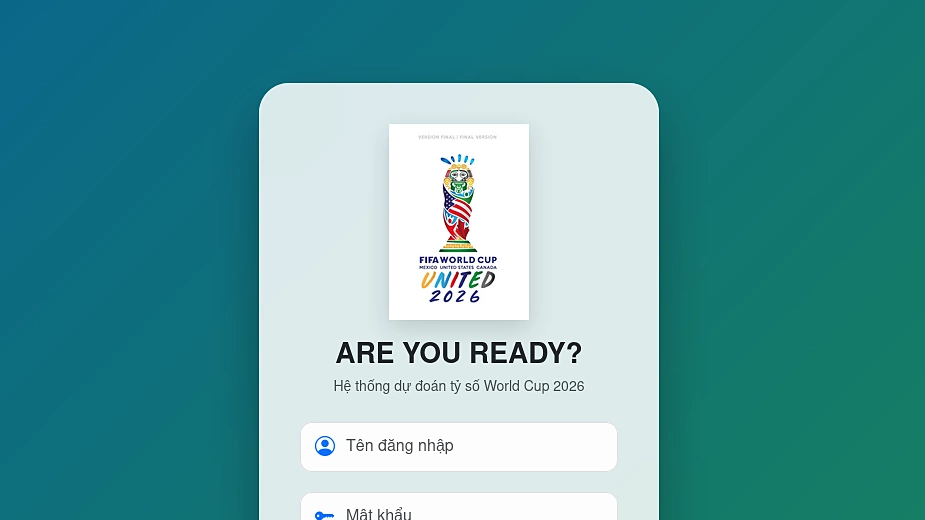
According to security firm Kaspersky, since the 2026 World Cup kicked off on June 11, the company has recorded at least 336 domain names created to fake the tournament's official information source. These websites mainly take advantage of fans' need to watch matches live or participate in betting.
One of the popular tactics is to advertise a free World Cup viewing service. After the user accesses and clicks the view button, the website requires account registration to continue. The next step is to offer to pay in cryptocurrency to purchase a "lifetime access" package to the tournament. If you follow the instructions, users not only risk losing the transferred money but can also have their emails, passwords and registration information stolen for other malicious purposes.
In addition to the fake broadcasting website, the security firm also discovered many impersonated betting sites that require users to declare their full name, email, phone number and personal data before placing bets. If the same password is used for many services, the victim can gain access to many different accounts.
Another form is an email invitation to buy packages predicting World Cup results. In one case discovered by Kaspersky, users received emails advertising match analysis services and predicting match results at the World Cup for 200 AUD (3.6 million VND). These emails often create a sense of urgency, promising analytics with high win rates to lure users into transferring money, which is considered a familiar trick in online fraud campaigns.
"Although aimed at people interested in sports betting, these 'services' may actually be just a scam, putting victims at risk of facing huge financial losses," Kaspersky's analysis stated.

According to Ms. Olga Altukhova, senior web content analyst at Kaspersky, since the World Cup started, fraud groups have quickly taken advantage of fans' habit of following the tournament online, with hundreds of websites being created. "When watching football has now become simpler, with just a device connected to the Internet, cybercriminals also have more opportunities to approach victims," she said.
According to this expert, users should only watch matches on official broadcasting platforms, and carefully check the website address before entering personal information, enable two-factor authentication and use a security solution capable of identifying fraudulent websites.
Luu Quy