Vietnamese scientist creates 'destroyer' of bacteria
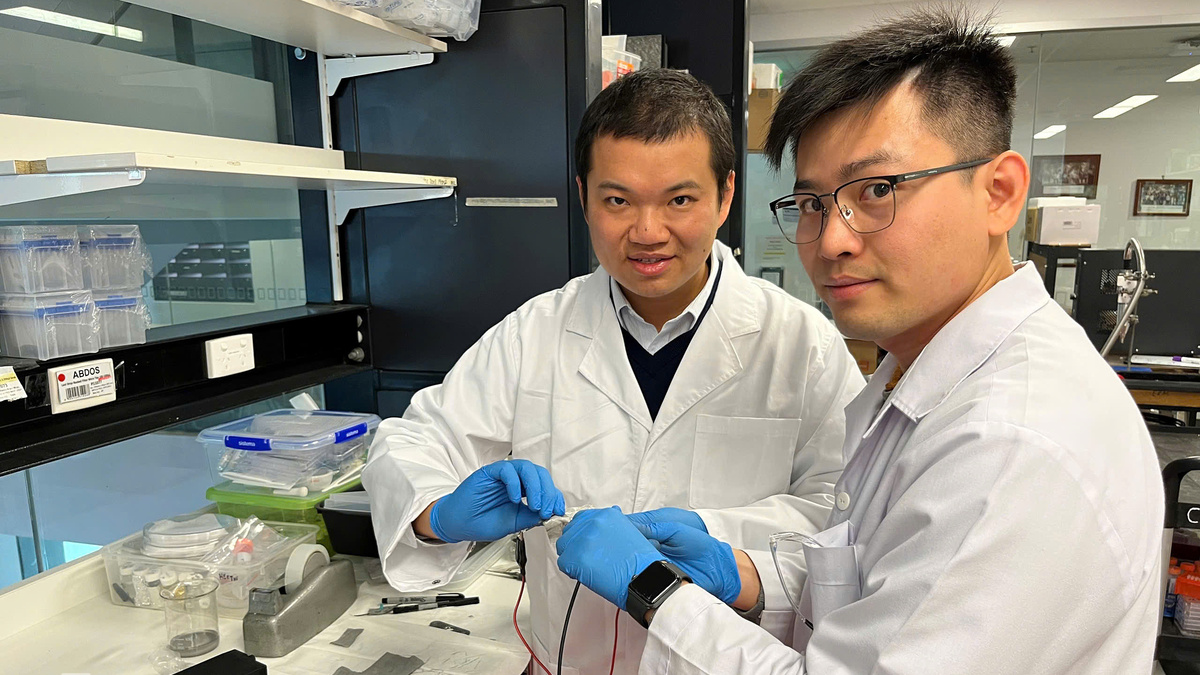
The material developed by the research team is mainly composed of nano-sized gallium particles, combined with silver or other metals, to create gels, wound care dressings and anti-bacterial coatings for medical devices. The formulations have demonstrated strong antibacterial properties in the laboratory and are being developed into applied products.
Associate Professor Khanh said that the special feature of nano gallium is its ability to kill antibiotic-resistant bacteria by attacking the iron metabolism mechanism, while not harming the host cell.
The Global Burden of Disease Project estimates that by 2050, there will be about 8.2 million deaths each year from drug-resistant bacteria, with Southeast Asia being one of the most heavily affected regions. The speed of drug development cannot keep up with bacterial mutations, making antibacterial materials of increasing interest.
Bacteria use iron molecules for energy, and gallium has similar size and chemical properties. Upon contact, bacteria will actively absorb gallium and block the metabolic chain. To date, some bacteria have developed genes to resist silver - a common antibacterial material, but iron metabolism is a mechanism that bacteria cannot give up, the researcher explained.
In addition, the material also causes macrophages - immune cells that destroy pathogens and coordinate the wound healing process - to reduce the secretion of inflammatory substances and increase the secretion of anti-inflammatory substances, creating favorable conditions for tissue recovery.
This dual effect, along with the liquid "interface" and ability to dissolve many other metals, makes nano gallium a potential materials technology platform for biomedicine. "The function of the material can be programmed through the alloy composition formula," Associate Professor Khanh said.
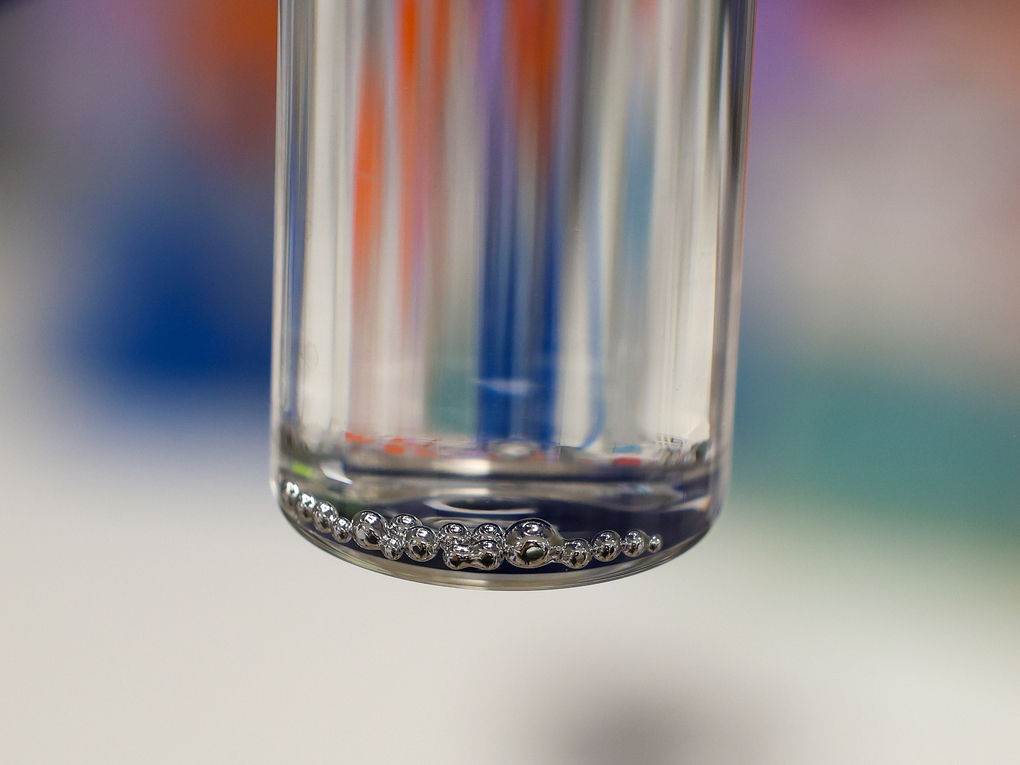
Recounting his opportunity to do research, Associate Professor Khanh said that while re-watching Terminator 2 (1991), the image of the T-1000 robot with the ability to transform reminded him of studying liquid metal. Gallium, which has a melting point of about 30 degrees Celsius, became a potential candidate. "It's also a liquid metal with the ability to transform, but our 'T-1000' is thousands of times smaller than a strand of hair," Associate Professor Khanh described.
In research from 2020 until now, the team has learned how to control microscopic gallium particles, as well as different manufacturing recipes to create bandages, antibacterial gels or coatings for implanted devices.
Wide range of applications from liquid metal platform
Currently, nano gallium is being developed by the research team in two main directions: wound care and protecting implanted devices from infection.
"Antibacterial and wound care products will be the earliest applications to reach patients," said Associate Professor Khanh. Currently, wound dressings combining gallium and silver, which have an international patent in 2025, are in the process of being transferred to a manufacturing partner in Vietnam.
Next will be a gel medication to introduce the material into deep wounds or hard-to-reach locations and release it gradually over time. In tests published in ACS Applied Bio Materials, a gel combining gallium with a diameter of about 100 nanometers, silver and bismuth showed the ability to kill two of the most common and dangerous strains of drug-resistant gram bacteria today while not being toxic to cells. Associate Professor Khanh expects that in the next two years, the product will undergo clinical testing and complete the formula suitable for commercialization.
With implantable devices - the most complex and demanding application direction, the team developed antibacterial coatings from microscopic gallium and silver particles, in which gallium acts as a silver carrier and controls the release process. Research in Advanced Functional Materials shows that the coating has antibacterial effects, reduces markers of inflammation and supports tissue response in mouse models.
However, the implant coating still needs to pass many tests to ensure it maintains adhesion and antibacterial ability after sterilization, surgical manipulation, introduction into the body and during long-term movement. Associate Professor Khanh estimates that the journey to a commercial implant product could last about 10 years.
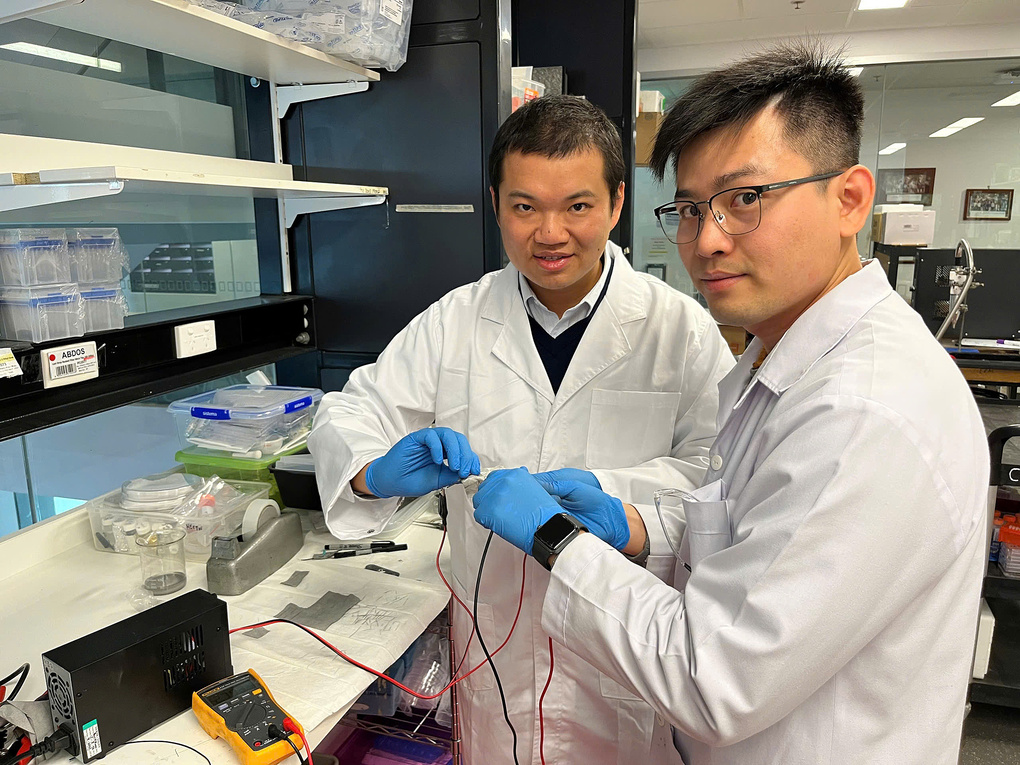
He said he wants to work with domestic groups to continue developing the technology platform, in addition to putting products into application. The team at Flinders is collaborating with units at the University of Danang, Ton Duc Thang University, International University - Vietnam National University Ho Chi Minh City, Tra Vinh University, Hue University of Medicine and Pharmacy and Ho Chi Minh City University of Medicine and Pharmacy on liquid gallium chemistry and material design simulation.
There are currently centers in the US, China, Australia, Korea and some European countries that are researching gallium liquid metal. "I believe that Vietnam with its strengths in chemistry, materials and pharmaceuticals can become the next name on the list," he said.
Nam Nguyen