Virtual factories help China manage soaring electricity demand
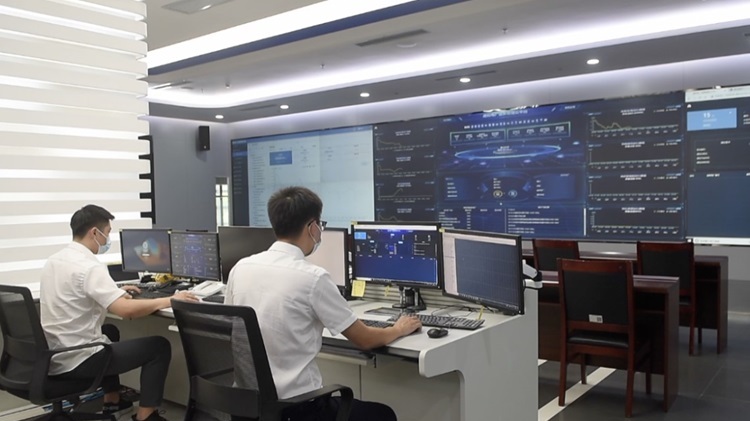
According to CGTN, record temperatures caused cooling demand to increase sharply in China this summer, challenging the flexible dispatching ability of the national power grid. Data from the National Energy Administration shows that China's electricity load set a new peak of 1,553 billion kilowatts since the beginning of summer, about 45 million kilowatts higher than the previous record. To manage rising demand during extreme heat conditions, China is applying a variety of technologies such as energy storage, virtual power plants and long-distance power transmission to build a more flexible power grid.
Virtual power plant
Virtual power plants are becoming a new solution to help China manage soaring electricity demand during peak periods. In Shenzhen, high temperatures caused electricity load to peak a month earlier than normal, virtual power plants are easing pressure on the grid. Unlike conventional power plants, virtual power plants do not produce electricity.
According to China Daily, the virtual power plant uses digital software and artificial intelligence platforms to connect and coordinate distributed resources such as rooftop solar power, electric vehicle chargers and battery storage, operating as a single flexible system to balance peak electricity demand and integrate renewable energy without the need to build a physical power plant.
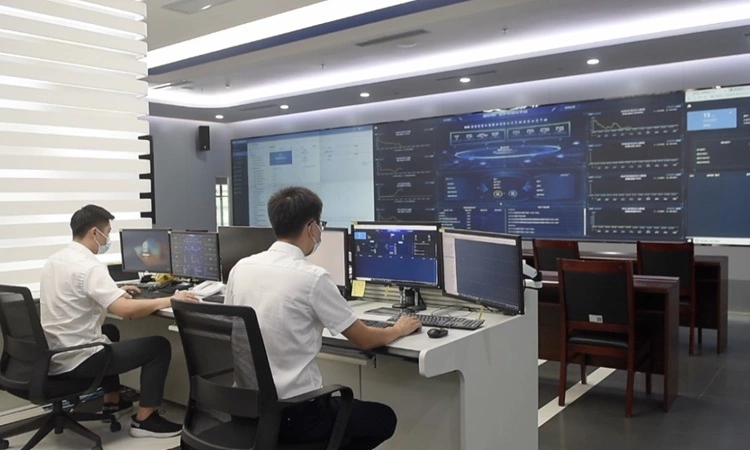
The Shenzhen Virtual Power Plant Management Center said its platform can coordinate power from 61 operators and more than 14,000 users, providing up to 1.4 million kilowatts of regulated capacity during periods of high demand. The center also applies an artificial intelligence model that analyzes grid conditions in real time, detects the risk of overload and determines where to adjust electricity demand.
Virtual power plants are being used in many areas such as Shanghai, Jiangsu, Anhui and Zhejiang. Across China, more than 470 virtual power plants are operating with a total regulated capacity of over 16 million kilowatts. In the future, the country aims to achieve virtual power plant capacity of 20 gigawatts by 2027 and 50 gigawatts by 2030.
Diversify power sources
From relying heavily on local hydropower and thermal power to using electricity imported from elsewhere, renewable energy and electricity storage, Chongqing is building a more flexible power grid to cope with extreme temperatures.
Chongqing, a city famous for its hot summers, experienced 25 consecutive days of temperatures above 35 degrees Celsius, while peak load reached an all-time high of 31.4 million kilowatts. Despite rising demand, the grid operator can respond well thanks to a more diversified power supply system, including increased power transmission from Xinjiang Autonomous Region to Chongqing. The amount of electricity transmitted through the channel increased from 4 million kilowatts last year to 6 million kilowatts, providing a capacity equivalent to Chongqing's two largest thermal power plants. About half of the electricity transmitted from Xinjiang comes from renewable energy sources such as wind power and solar power.
After arriving in Chongqing, some of the electricity was distributed to the city's 12 energy storage facilities. Working like large-scale batteries, these facilities store electricity when demand is low and discharge it quickly when demand increases. At one storage facility, the system increased capacity from 0 to 180 megawatts immediately after receiving a dispatch command, quickly providing the equivalent of more than 50,000 home air conditioners operating at the same time.
Transmitting electricity across regions
China is transmitting long-distance electricity to balance electricity supply and demand between regions. This summer, an average of more than 5 billion kilowatt-hours of electricity crossed provincial borders each day, helping to relieve pressure in high-demand areas.
In Beijing, the peak load of the power grid reached 29,399 million kilowatts on August 6, setting a new record. To support the capital's power supply, renewable electricity from Qinghai and Heilongjiang was transmitted to Beijing for the first time. Solar power helps meet daytime cooling needs and wind power supports evening electricity consumption.