Nobel Prize-winning physicist: 'Scientific progress begins with asking new questions'
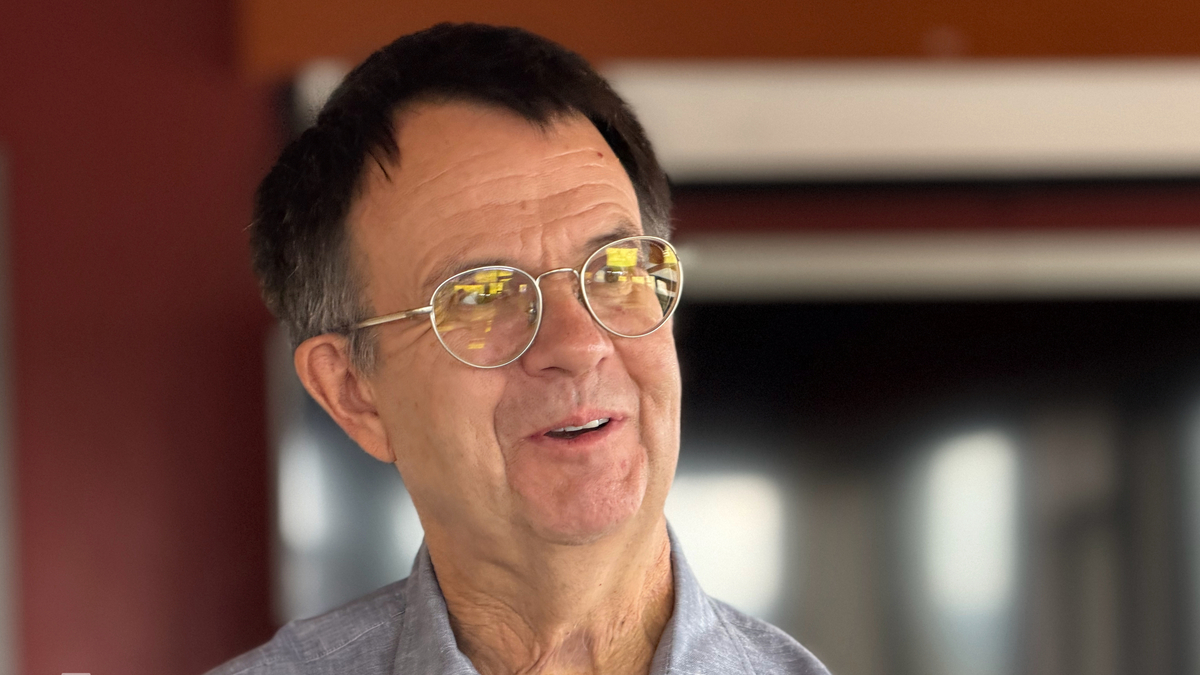
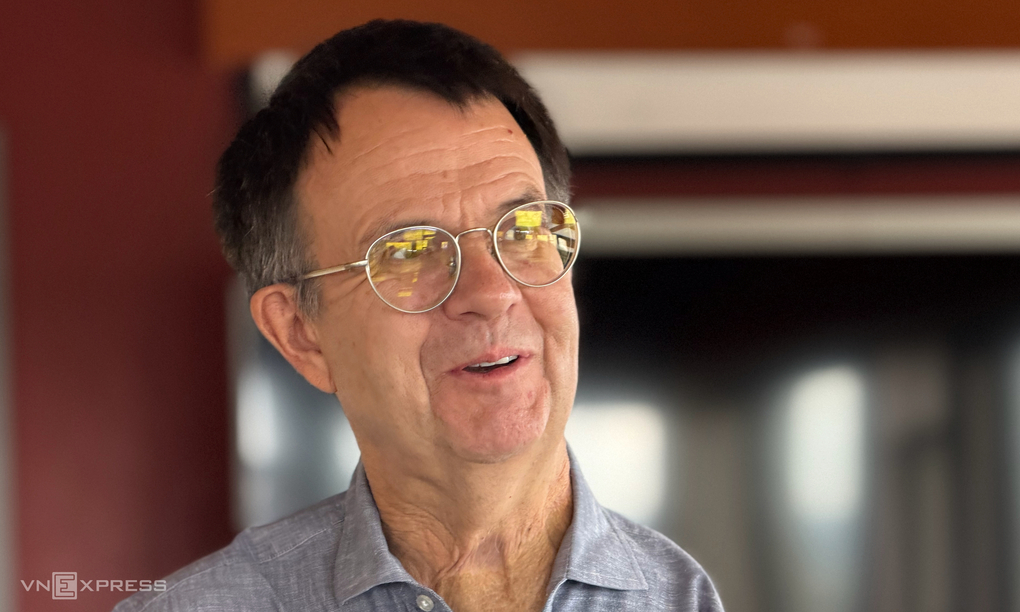
Professor Eric Cornell was born in 1961 and currently works at JILA - a joint research institute between the University of Colorado Boulder and the US National Institute of Standards and Technology. In 2001, at the age of 40, he, along with Wolfgang Ketterle and Carl Wieman, were awarded the Nobel Prize in Physics for their work on the Bose-Einstein condensate and basic research related to the properties of atomic systems at extremely low temperatures.
On the sidelines of the program organized by the US Foreign Press Center (FPC) in Colorado at the end of September, he shared about the role of basic science, how to pursue research and changes in quantum physics and AI.
- What is your assessment of the role of basic science in the current context?
- Humans have been doing science for a long time and have achieved a lot of progress. Still, there's a lot we're trying to figure out. The questions posed 100 years ago have basically been answered.
Therefore, in my opinion, scientific progress today comes when people think of new questions. This is almost as important as finding the answer. One of the core keys of science is: what are the interesting questions, what are the questions that others have never thought of.
- Should countries with limited resources invest in basic science and how should they start?
- Every country should do science. But if you have limited resources, you cannot do all the different branches of science. Focusing on specialization has a huge advantage.
A country can determine not to do everything, but to develop specialist capacity in a particular area. I believe this is the strategy that will bring success. Which field you choose is almost not so important. The core is that the whole team puts effort together in that chosen direction.
- After winning the Nobel Prize, how did your life as a scientist change? In your opinion, is there any secret to achieving achievements in science?
- The most helpful thing to win a Nobel Prize is not to worry about winning the prize. Be interested in doing good science, look for interesting problems, and don't let yourself get caught up in personal ambitions.
For me, after winning the prize in 2001, my life as a scientist has changed a lot. Before that, I was quite young and worked on a project that many people found somewhat crazy. That's why people underestimate me. But I think that's very beneficial.
At that time, I could operate "under the radar", without being noticed or scrutinized by too many people. After winning the award, that was no longer the case. Now I can no longer take "invisible" steps in the physics world.
- What advice would you give to young people studying science?
- Accept the romance and excitement from your own new discoveries, even if you are not the first to discover it.
When you do math and see a pattern in the numbers, you exclaim, "Wow, look at this pattern, this is amazing, I just discovered something cool." Chances are many other people already know that rule, but that doesn't matter.
What you should do is enjoy the joy of discovering new things on your own first. Just practice and fully feel that joy, and one day you will discover something new to all humanity.
- Quantum is expected to make great strides in computing, while AI changes society very quickly. In your opinion, what impact will these two technologies create in the future?
- Quantum physics will allow us to make calculations much more powerful. But I don't see quantum physics as something that can turn society upside down the way AI is doing. It is a foundational technology that is supportive, not something that has the potential to disrupt entire societies.
As for AI, I am both impressed and somewhat worried about how quickly it changes. I think it will make a huge impact. I hope it's a good impact, but no one can be sure.
Some people worry about AI turning into a "monster" that will destroy humanity. My worry is more realistic, that AI will change global society too quickly and profoundly. That could have good or bad results, but right now there's no guarantee that it will be good.
Luu Quy