Rising temperatures could spur deadly flash floods in Nepal
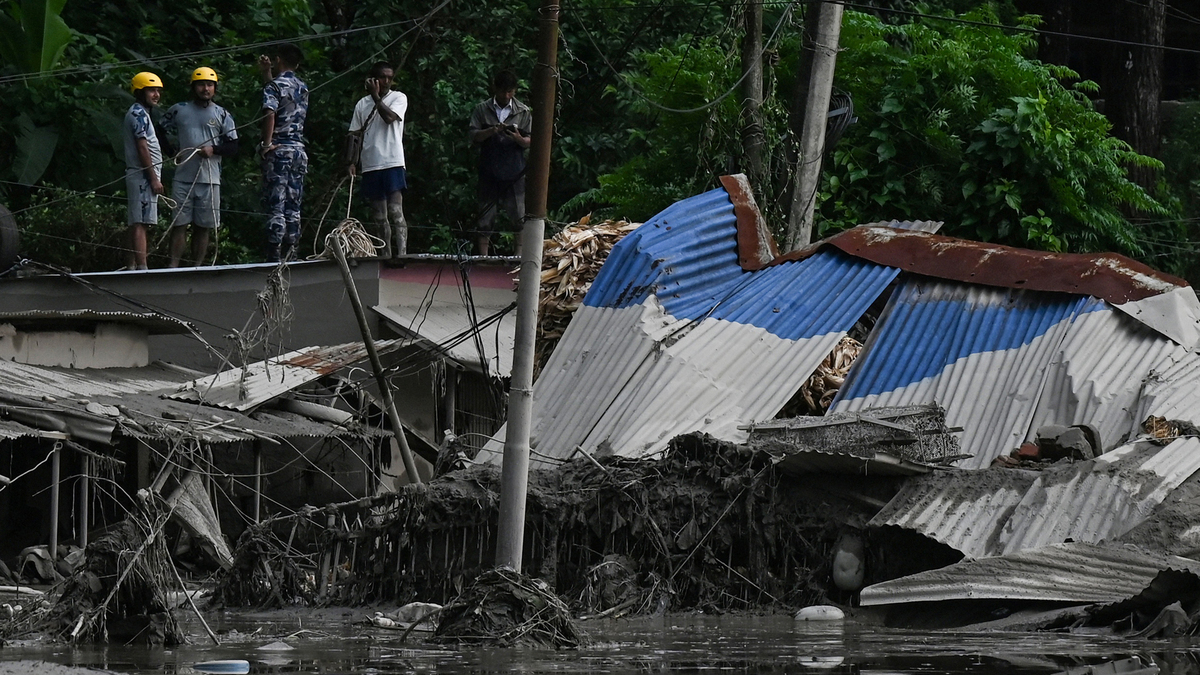
Nepalese officials said at least 165 people died after a huge flash flood swept through the Trishuli region of Nuwakot district, bordering China's Tibet region. This number may continue to increase as rescue forces reach isolated areas.
Initial analysis based on satellite images and reports from the Nepal government showed that the flood likely originated from a landslide, which occurred when part of the glacier fell hundreds of meters high.
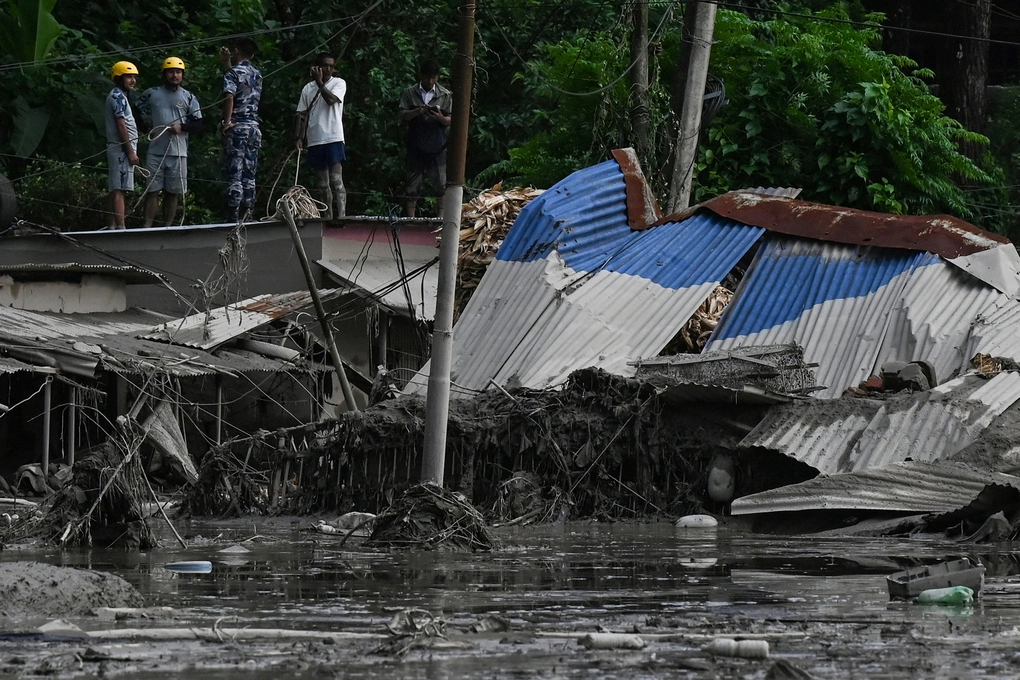
According to Wired, the impact of global warming on Nepal's glaciers could lead to a knock-on effect.
Joseph Shea, an associate professor of geography at the University of Northern British Columbia, said shrinking glaciers could spur landslides because they no longer hold sediment. As glaciers recede, they leave behind many large lakes that are blocked by natural dams formed from rock and ice debris in the high mountains. If a large amount of rock and soil landslides and falls into the lake, the sudden rise in water level will create a giant wave that will overflow the dam, causing a disaster called a glacial lake overflow. Last year, two similar floods occurred in Nepal.
The disaster on August 26 was most likely caused by part of the glacier collapsing, falling into the valley below. Speaking to the New York Times, Daniel Shugar, a geologist at the University of Calgary in Canada, said satellite images revealed a 610 m wide block of ice had broken off the glacier, sending a mixture of ice and water falling straight to the valley floor.
According to his estimates, the block of ice fell from a height of about 5,182 m and plunged nearly 1,220 m. The US Geological Survey recorded that the landslide was so strong that it caused tremors equivalent to a magnitude 5.2 earthquake.
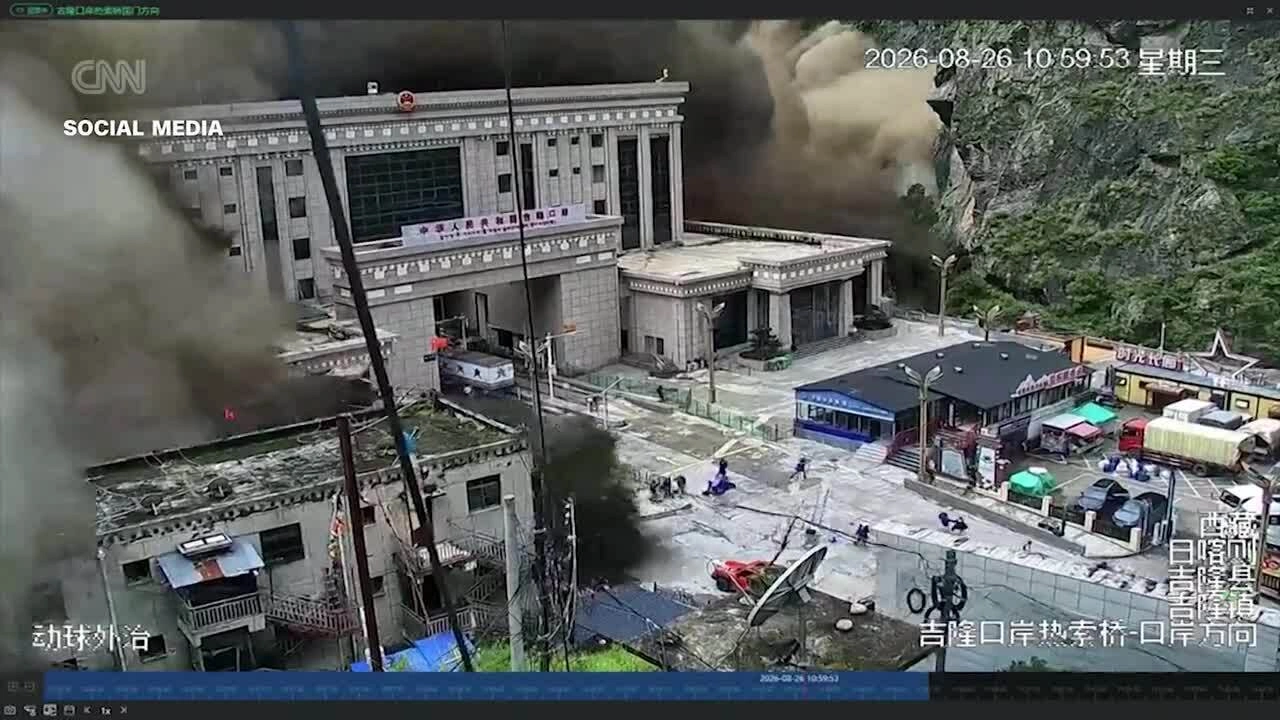
Simon Cook, a glaciologist at the University of Dundee in Scotland, said that this is a large block of ice stored at a high altitude on the mountain with huge potential energy. When it separated, the intense force of the fall crushed the ice block into water, creating a dangerous, fast-moving mixture.
Shugar and Cook's analysis shows the flood flow moving northwest along the valley toward the Bhotekoshi River, at the border between Nepal and China's Tibet region. Shugar said it was still early to draw conclusions about the cause of the flood, but he pointed out that snow on the glacier may have melted earlier in the week due to warm temperatures.
According to CNN, Nepal is especially vulnerable to glacier lake floods. Nepal is located in the rapidly warming Himalayan region, where thousands of glaciers are melting and destabilizing as temperatures rise. Warmer temperatures allow melting snow to seep into cracks in ice and mountain rocks, weakening them. The rate of ice loss from glaciers in the Hindu Kush Himalaya, an area that includes Nepal, has doubled since 2000, threatening nearly 2 million people living downstream.