Many new policies create 'tracks' for strategic technology
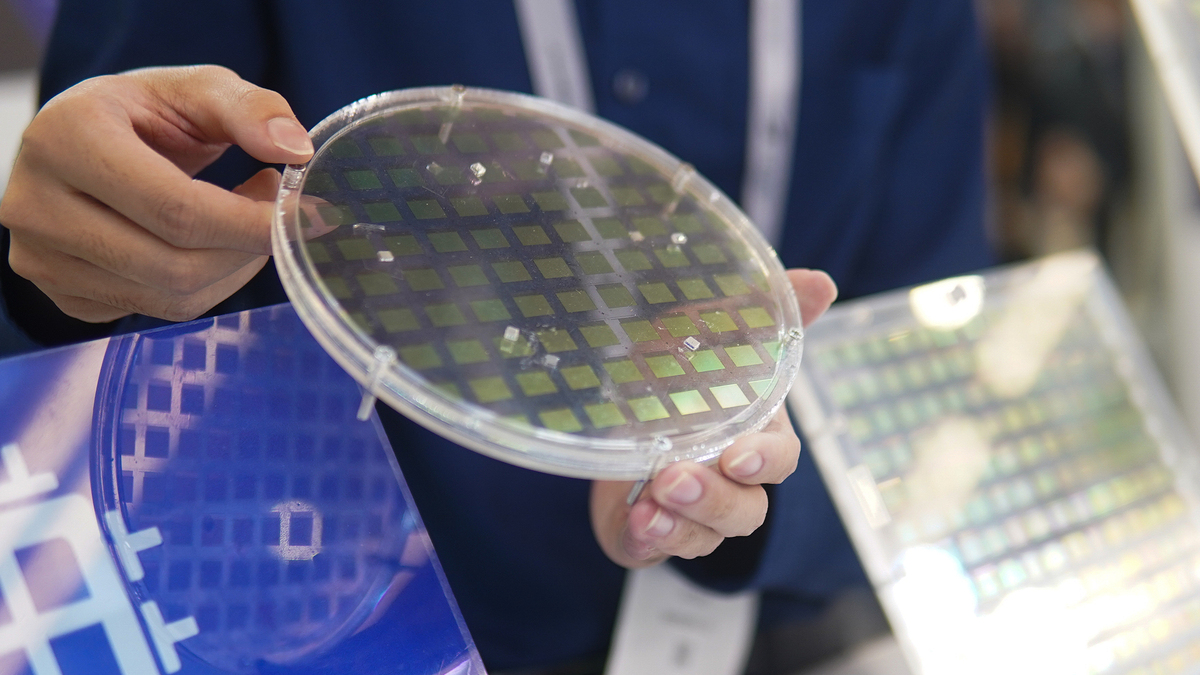
The Ministry of Science and Technology presides over advising, designing and concretizing a series of mechanisms and policies to promote strategic technology development. Among these are the Special National Program on Strategic Technology, Decree 260 on measures to implement a number of articles of the High Technology Law and three guiding circulars (42, 48, 49) recently issued.
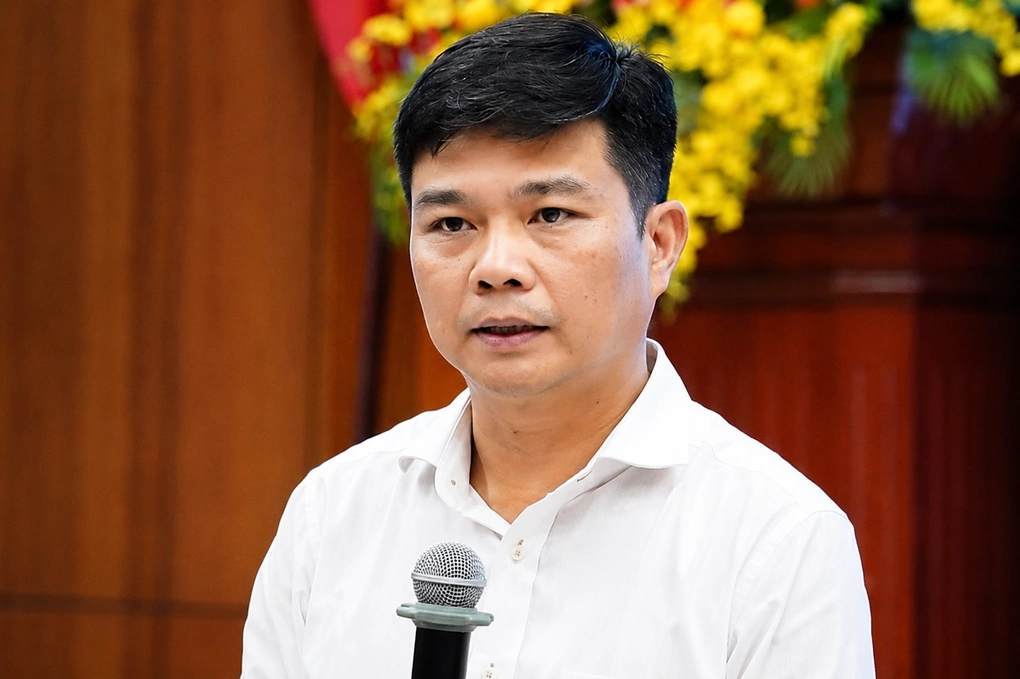
Sharing with VnExpress, Director of the Department of Science, Engineering and Technology Nguyen Phu Hung said that strategic technology development requires a different management style than normal science and technology tasks. "Strategic technology has bigger problems, longer development cycles, higher technological risks and the simultaneous participation of businesses, research institutes, universities and many management agencies," he explained.
According to the Department of Science, Engineering and Technology, the new policies create a framework to organize national resources, aim to master technology, form strategic technology products and put the results into application and commercialization.
The main point is to move from the mindset of "managing topics" to "managing to create technology and products". Accordingly, the State focuses on identifying problems, goals and results to be achieved. Researchers are empowered to be more proactive about technical solutions and resource use. Management, funding and evaluation are tied to products, work packages and verifiable milestones. "It's all about creating a runway for strategic technology," Mr. Hung emphasized.
How to organize strategic technology development tasks
According to Director of Department Nguyen Phu Hung, there are five core changes in the way the strategic technology development task is organized.
First, the task must come from practical needs. Each task needs to clearly define the problem to be solved, the impact, the technology to be mastered, the product to be created and the place to receive, apply or commercialize it.
Second, a large problem can be organized into a task, cluster of tasks, or chain of tasks. This approach allows multiple parties to jointly address different components of a technology or product, from research, design, integration, testing, trial production to transfer and market development. Objectives, tie tasks to the final product.
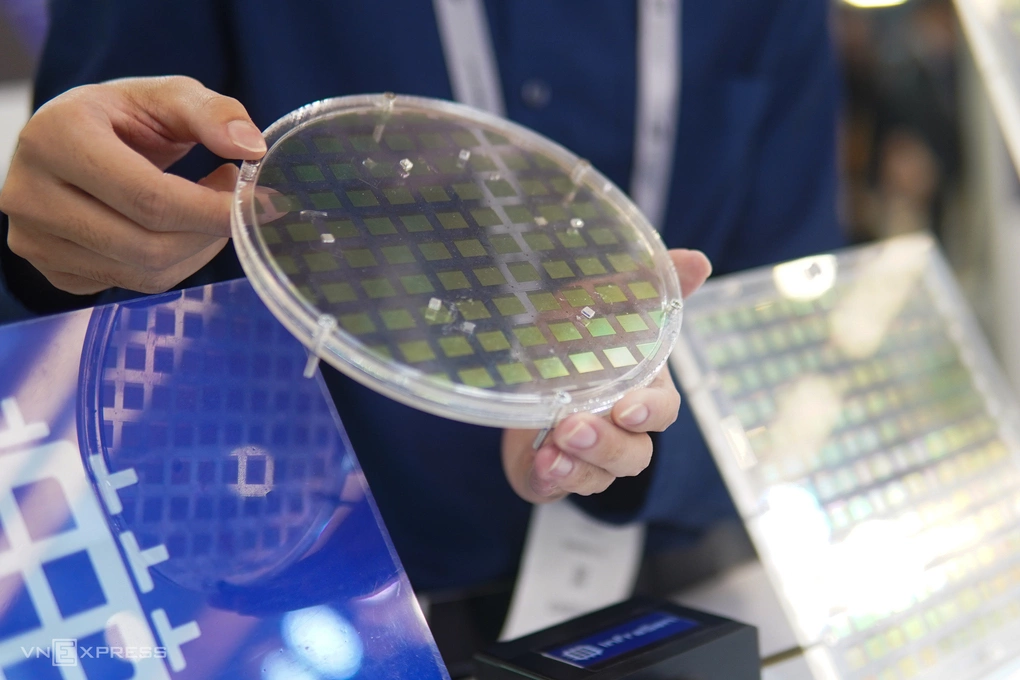
Third, tasks are managed according to work packages and review milestones. Each work package needs to clearly define its scope, output products, technical criteria, resources, funding and implementation time. Through each milestone, research results are evaluated to decide on funding for the next phase, adjust or stop if the plan is no longer suitable.
Fourth, the research unit is given autonomy, along with accountability. They can be more proactive in organizing implementation, adjusting technical plans, allocating resources and choosing suppliers within the allowable scope. In return, the host unit must be responsible for the products, technical criteria, progress and effective use of funds.
Fifth, the new mechanism accepts controlled technological risks and increases social resources. A problem can be developed according to many different research plans, then evaluated and refined through each milestone. Businesses are encouraged to propose problems, co-invest, experiment, receive and commercialize research results.
According to Mr. Hung, with the new policies, the Ministry of Science and Technology hopes to create a unified "running track", a unified understanding for all parties to participate in strategic technology development. This legal corridor is also the basis for businesses to identify technological tasks and problems that they can deploy.
Trong Dat