New points of the amended High Technology Law
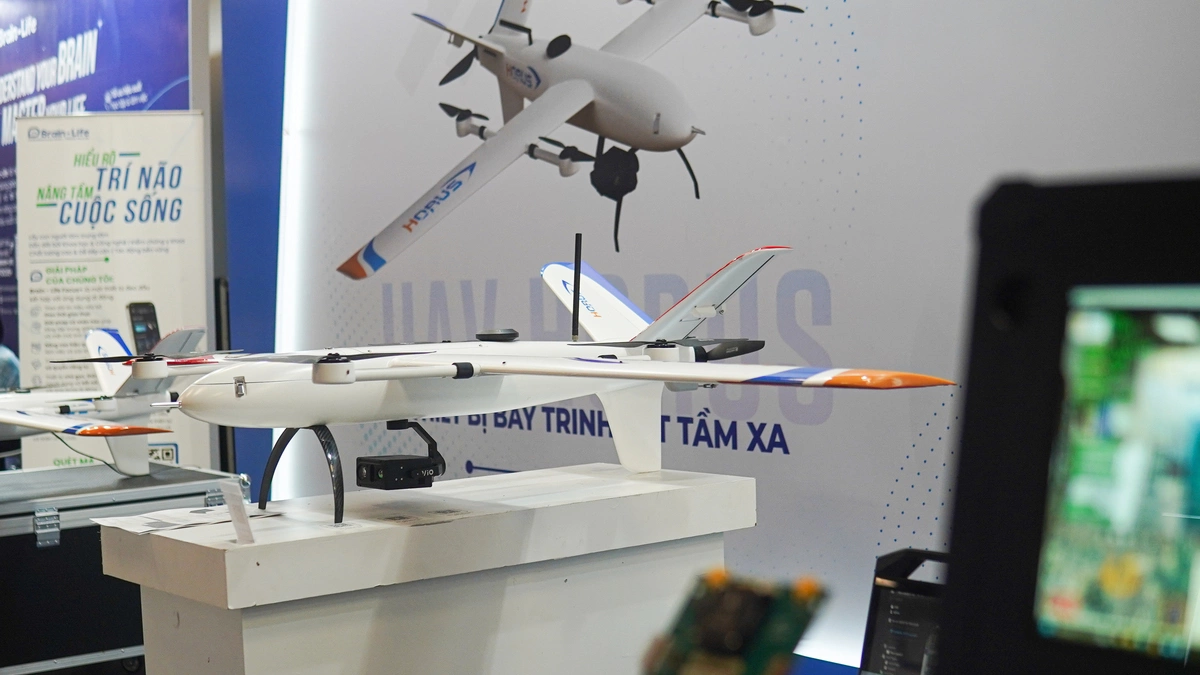
The law was passed by the National Assembly in December 2025 and takes effect from July 1. With 6 chapters and 27 articles, the redesigned law covers the entire technology development chain, from establishing policies and criteria for high technology and strategic technology; technology research and development; product development; and build a high-tech ecosystem.
Criteria for determining priority high technology and strategic technology
The concept of "strategic technology" was first introduced into law with high technology. These two types of technology need to meet the following conditions: playing an important role in implementing national development goals, improving total factor productivity, and transforming growth models; ensure national defense and security; consistent with the national science, technology and innovation development orientation and consistent with Vietnamese practice.
Particularly, high technology that is prioritized for investment and development needs to meet additional criteria regarding the ability to research, master, improve or localize; or play a fundamental role in forming a new production industry, new value chain, new service with international competitiveness; or has the ability to attract investment with technology transfer or contribute to socio-economic development in especially difficult areas.
Meanwhile, strategic technology needs to meet one of the criteria such as having a breakthrough impact on socio-economic development; create long-term national competitive advantage; capable of forming new production methods, new industries, new value chains; capable of being formed from core technologies researched and mastered by domestic organizations and individuals to create strategic technology products.
The Ministry of Science and Technology is the leading unit in periodically reviewing and evaluating and submitting to the Prime Minister for promulgation and updating this technology list in accordance with the socio-economic development situation of each period.
Highest incentives for high technology and strategic technology
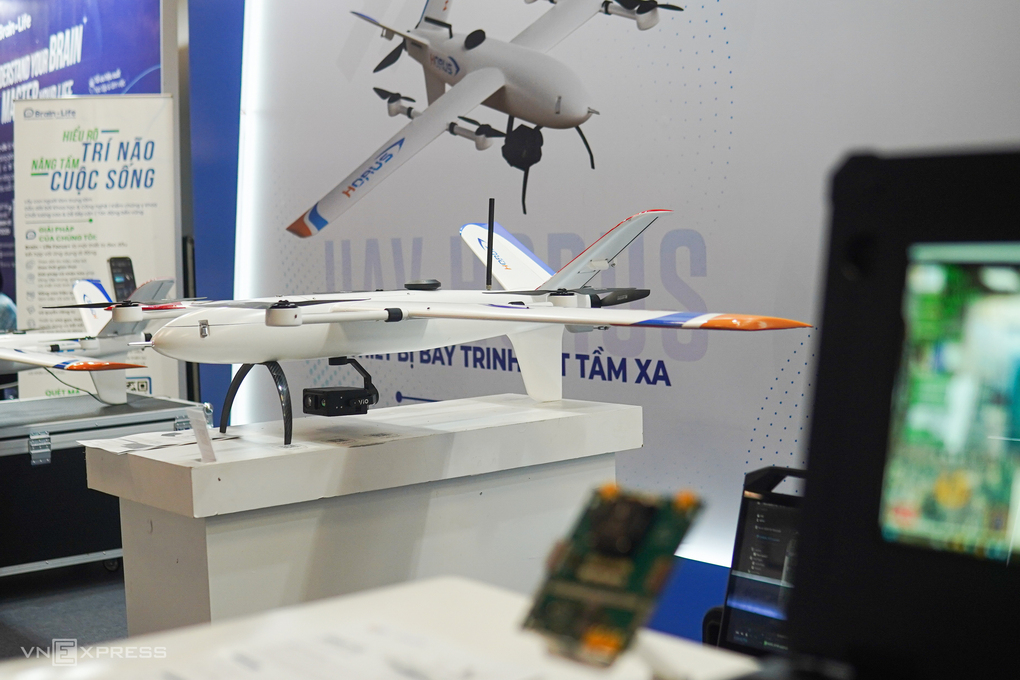
The law identifies high-tech and strategic technology development as the country's "strategic breakthrough", for rapid and sustainable development, ensuring national defense and security and enhancing national technological autonomy.
"Apply the highest incentive levels according to the provisions of law on investment, tax, land and related policies for high technology and strategic technology activities", Article 4 of the amended High Technology Law states.
Some incentives are mentioned such as strategic technology research and development centers that enjoy the highest preferential and support policies according to the provisions of law on investment, taxes, and land.
Organizations and individuals may be given priority to consider funding and financial support from high-tech science, technology and innovation programs and from funds under the law on science, technology and innovation; enjoy the highest tax incentives according to the provisions of law on personal income tax, corporate income tax, export tax, and import tax; receive training support to improve high technology research and development capacity. They can also receive financial support for investment, operation, and rental of shared laboratories and high-tech research facilities in accordance with the law on science, technology and innovation.
Incentives for all manufacturing enterprises
One of the new points in the law is to introduce preferential policies for businesses producing high-tech products to promote their implementation. This is part of the content on developing high technology, strategic technology and strategic technology products.
Accordingly, investment projects producing strategic technology products will enjoy preferential policies and special investment support according to the provisions of investment law. Enterprises producing high-tech products are entitled to preferential policies and support according to the provisions of law on corporate income tax.
In addition, the Law also divides high-tech enterprises into two groups based on the level of localization of the products produced and the level of spending on research and development to offer separate incentives.
Develop high-tech ecosystem
The law for the first time introduces regulations on the high-tech ecosystem. This is a gathering place for interacting subjects to serve high-tech development, in which high-tech enterprises play a central role. The main components are management agencies, science and technology organizations, higher education institutions, start-up and innovation support organizations, support organizations, users and a number of related essential components.
Accordingly, the State promotes the formation and sustainable development of high-tech ecosystems, ensuring links between entities in the ecosystem; At the same time, encourage and create favorable conditions for organizations and individuals to invest in developing technical infrastructure to serve research, development, testing, incubation and commercialization of high technology with priority investment in strategic technology and development.
One of the concepts also introduced into law for the first time is "high-tech urban area". The city will have to have technical infrastructure, digital infrastructure, innovation ecosystem and favorable mechanisms for developing, testing and applying high technology and new strategic technology.
Adding mechanisms to promote technology commercialization
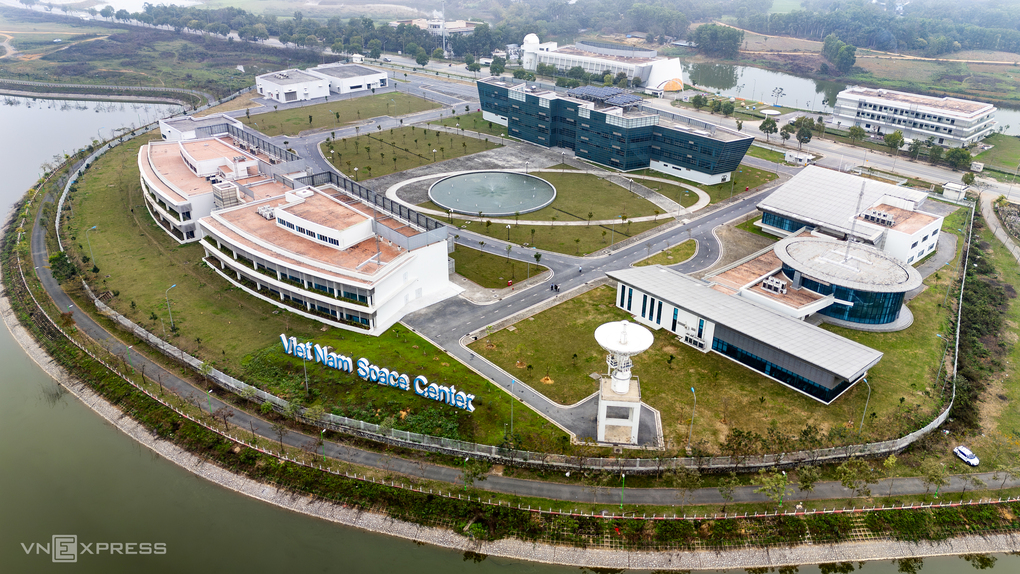
The law sets aside provisions for technology transfer and commercialization. The State encourages the development of technology promotion, consulting and brokerage centers; technology trading floors, digital platforms connecting supply and demand, incubators and innovation centers.
Organizations and individuals participating in commercialization are supported with testing, certification, and technology appraisal, while also supporting market connection and domestic and international trade promotion. For strategic technologies, there is also an additional mechanism to support testing costs, connect technology supply and demand, and prioritize placement in public investment programs.
Luu Quy