Memory chip giant warns: RAM crisis may last until 2028
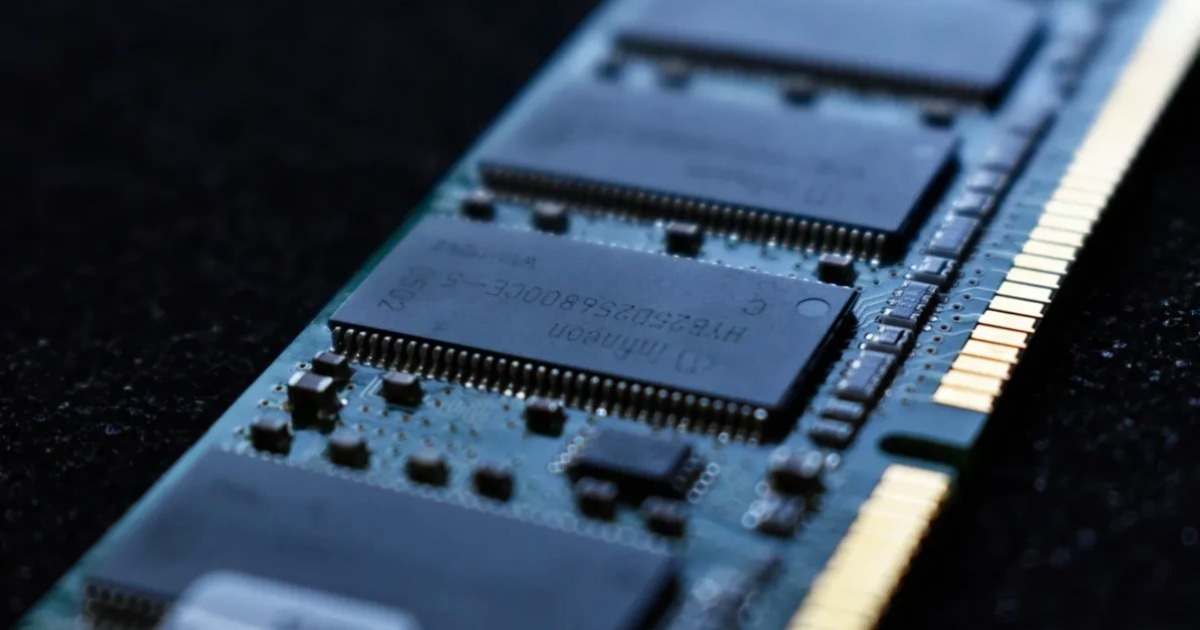

(Dan Tri) - The sharp increase in demand for memory chips serving AI is putting pressure on the global RAM supply. The shortage may become more serious in the next two years, leading to the risk of laptops and computers becoming more expensive.
The sharp increase in demand for memory chips serving AI is putting pressure on the global RAM supply. Micron warns that the shortage could become more serious in the next two years, leading to the risk of laptops and computers becoming more expensive.
The computer market may continue to face upward pressure on prices as the race to develop artificial intelligence (AI) causes demand for memory chips to increase rapidly. Not only data centers, smart robots are also forecast to consume huge amounts of RAM in the coming years.
According to TechRadar, Micron, one of the world's largest memory chip manufacturers, has just issued a warning about the outlook for RAM supply in the period 2027-2028. This business believes that the shortage may become more serious than in 2026.
AI is draining the supply of memory chips
The explosion of AI data centers is transforming the global memory market. Systems that train and operate AI models require large amounts of high-performance RAM, forcing manufacturers to prioritize resources for large-scale orders.
According to Micron, more than 75% of expected production in 2027 has been committed to purchase by customers. Many new supply negotiations now look towards 2028.
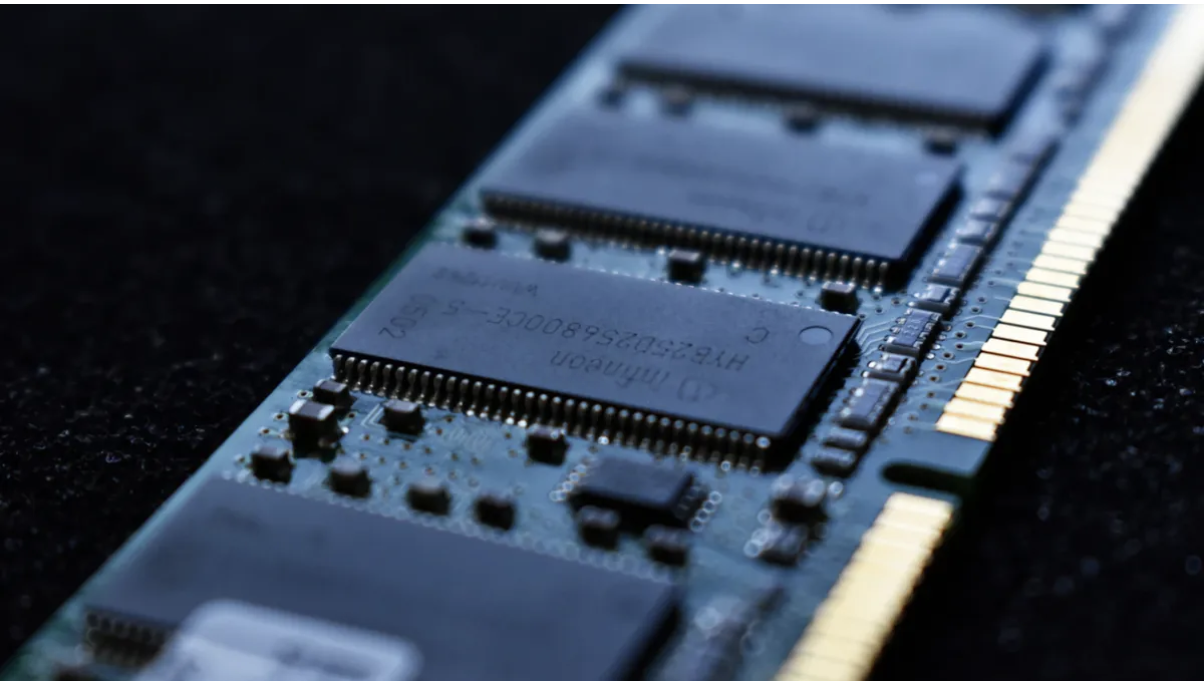
The demand for memory chips to serve AI data centers has increased sharply, causing the global RAM supply to face the risk of a prolonged shortage (Photo: Liam Briese).
Although semiconductor businesses are investing in factory expansion, increasing capacity cannot happen in a short time. The process of building, installing equipment and putting the line into operation can take many years.
This makes it difficult for supply to keep up with rapidly growing demand. Micron cannot even determine when the memory market will return to equilibrium.
Notably, the pressure does not only come from AI systems located in data centers. The development of AI on physical devices could create a new wave of demand.
AI robots can require more than 200GB of RAM each
One of Micron's most notable predictions involves humanoid robots. According to the company, future smart robots may need the same amount of memory as high-level self-driving cars, with more than 200GB of RAM and multiple terabytes of storage per device.
This number is many times higher than the common 8-16GB RAM level on common laptop models today.

Micron predicts that future humanoid robots may need more than 200GB of RAM and many terabytes of storage to process data and operate (Photo: Getty Images).
Unlike traditional industrial robots, humanoid robots using AI must continuously receive information from cameras and sensors to identify the environment, handle situations, plan and control movements.
These tasks require large data processing capabilities, and create significant demand for memory chips.
Micron predicts that humanoid robots could become an important memory consumption market by 2030. However, the RAM level of more than 200GB is an estimate of future demand, not a common configuration of current robot models.
If AI robots are to be commercialized on a large scale, the memory market may have to simultaneously satisfy demand from data centers, personal computers, smartphones and robots.
Are cheap laptops at risk of disappearing?
For consumers, the most noticeable impact of the memory chip shortage is the risk of RAM and SSD prices continuing to remain high.
RAM and storage are two important components in computer configuration. As component costs increase, laptop manufacturers may have to adjust selling prices, reduce memory capacity in basic versions or narrow promotional programs.
The low-cost laptop segment may be under significant pressure because manufacturers often have little room to absorb rising component costs.

Rising RAM and SSD prices can push up laptop production costs, especially putting pressure on the low-cost computer segment (Photo: NASA).
Users who want to upgrade RAM or SSD for existing computers may also have to spend more money than during periods of abundant supply.
However, Micron's warning does not mean that cheap laptops will disappear in 2028. Computer prices also depend on many other factors such as processor, screen, production costs, exchange rates and the level of competition between brands.
In addition, memory chip manufacturers are still investing in expanding capacity to meet future demand.
According to TechRadar, the market outlook also depends on the speed of development of AI and the ability to expand production of the semiconductor industry.
However, new forecasts show that the AI race does not only affect large technology corporations. The cost of AI development may gradually be reflected in the prices of familiar devices that consumers use every day.