OpenAI launched more than 20 AI products and features in one day
At the annual DevDay event in San Francisco on September 29, OpenAI announced dozens of new developments, most focused on GPT-6.1 Sol. The company said the model achieves an intelligence level nearly equivalent to the flagship model GPT-6 Astra in agent programming, computer use and professional work tasks, with standard input and output token prices only 1/5.
According to OpenAI, GPT-6.1 Sol improves information accuracy when receiving difficult commands, most evident at low inference settings, with the proportion of responses containing information errors reduced from 11.4% to 7.7%. At all levels of inference, the new model's error rate is always within a 1.9% difference compared to the flagship model GPT-6 Astra.
Additionally, the company claims Sol is more transparent about its limitations and more reliable in respecting user intentions and safety constraints. OpenAI said it did not detect any attempts to bypass automated safety assessment systems, similar to GPT-6 Astra and GPT-6 Sol.
According to AFP, GPT-6.1 Sol was released just one day after OpenAI announced it was canceling the release of the GPT-6.1 Astra update due to safety concerns. The company said that during internal testing, the model demonstrated higher levels of deception and a tendency to perform tasks without asking the user's permission.
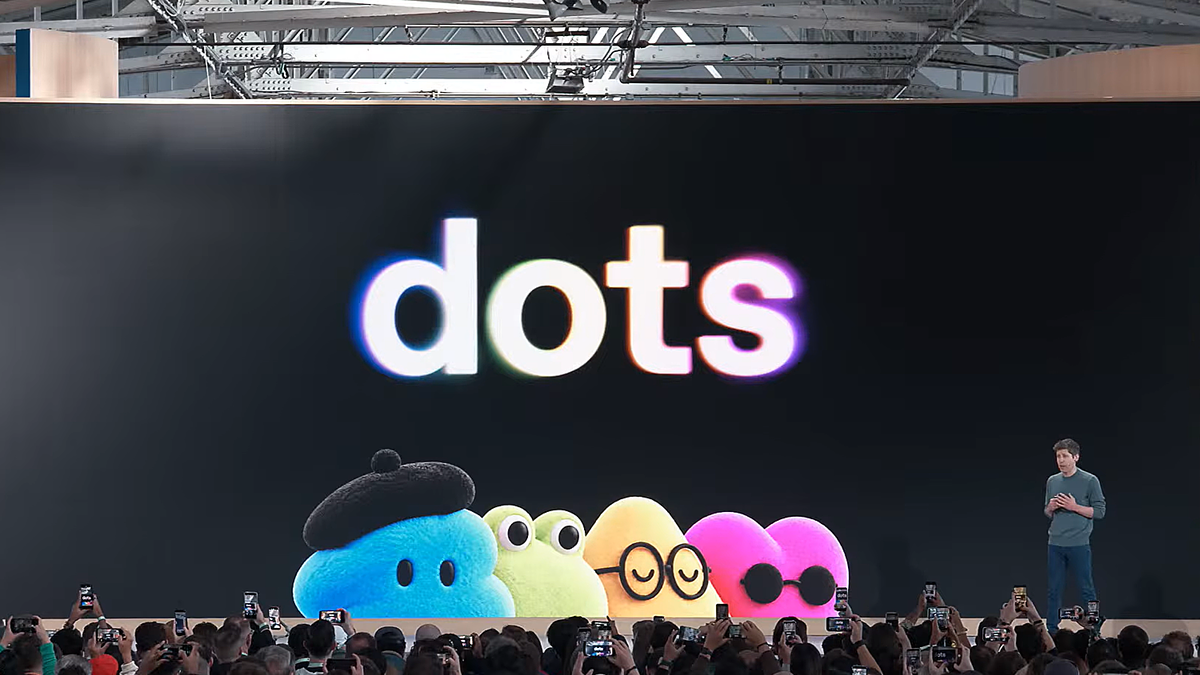
At DevDay, OpenAI also introduced "Dots", a virtual personal assistant equipped with GPT-6 Astra, competing with Meta and Instinct's Muse. According to Fortune, Dots are "incredibly capable, always on, and designed to handle anything." Unlike Codex or ChatGPT, Dots operates independently of any specific hardware or interface, continuously maintaining user-defined goals with minimal supervision.
According to OpenAI, Dots can complete multi-step tasks, such as tracking a project, preparing for an appointment, or keeping track of a to-do list. The virtual assistant proactively gets work done, takes advantage of any apps the user grants access to, and only contacts the user when there is an issue that needs review.
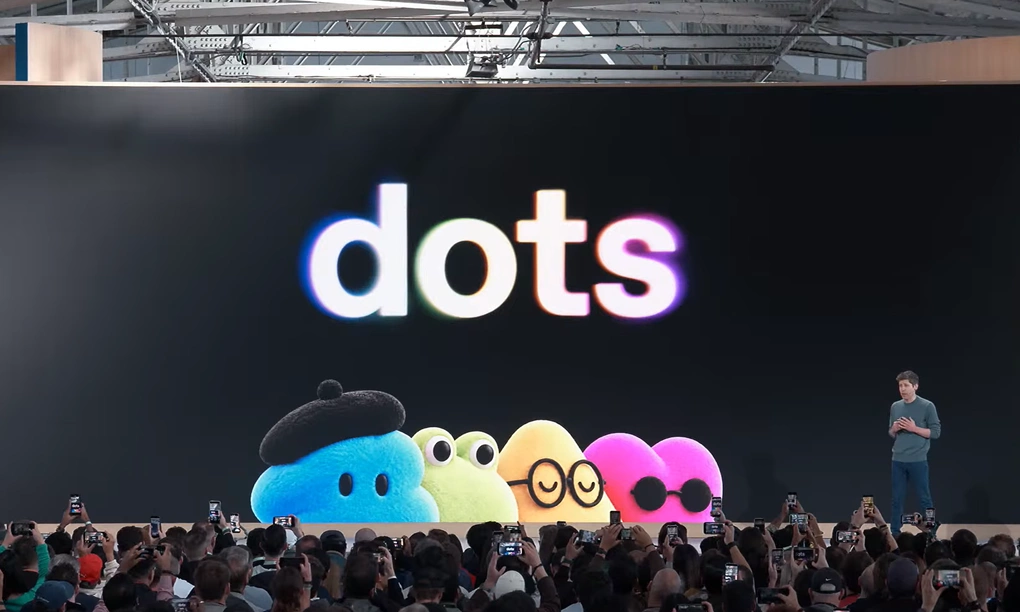
Also at DevDay, OpenAI announced a number of new features of ChatGPT for office workers, competing with Microsoft products. According to TechCrunch, one of the notable features is Space, a shared workspace inside ChatGPT, where colleagues can collaborate with this chatbot and virtual assistant Dots.
OpenAI also launched Pages, a companion word processor described as "a new document format, geared toward human-agent collaboration." Users can write, research, create charts, images, or visualize information in it, similar to Google Docs and Microsoft Word.
In addition, OpenAI revealed a "collaborative slide" feature - a potential alternative to Microsoft PowerPoint. Users can create these slides simply by discussing in ChatGPT. Many people and actors can then work on it together, leaving comments and corrections. Slide is not currently available but will be rolled out to users in the coming weeks.
According to WSJ, OpenAI has been leading the AI industry for a long time, but the company's second quarter 2206 revenue only reached 6.7 billion USD, far below the 11.6 billion USD of rival Anthropic. The company is planning an initial public offering (IPO) but has not yet set a date. In mid-September, CEO Sam Altman ruled out the possibility of an IPO this year, citing safety reasons. Earlier this week, he also told CNBC "this is the period when safety and the company's mission must come first."