Oppo Reno 16 series - smartphone that creates content with AI

Oppo Reno 16 series - smartphone that creates content with AI
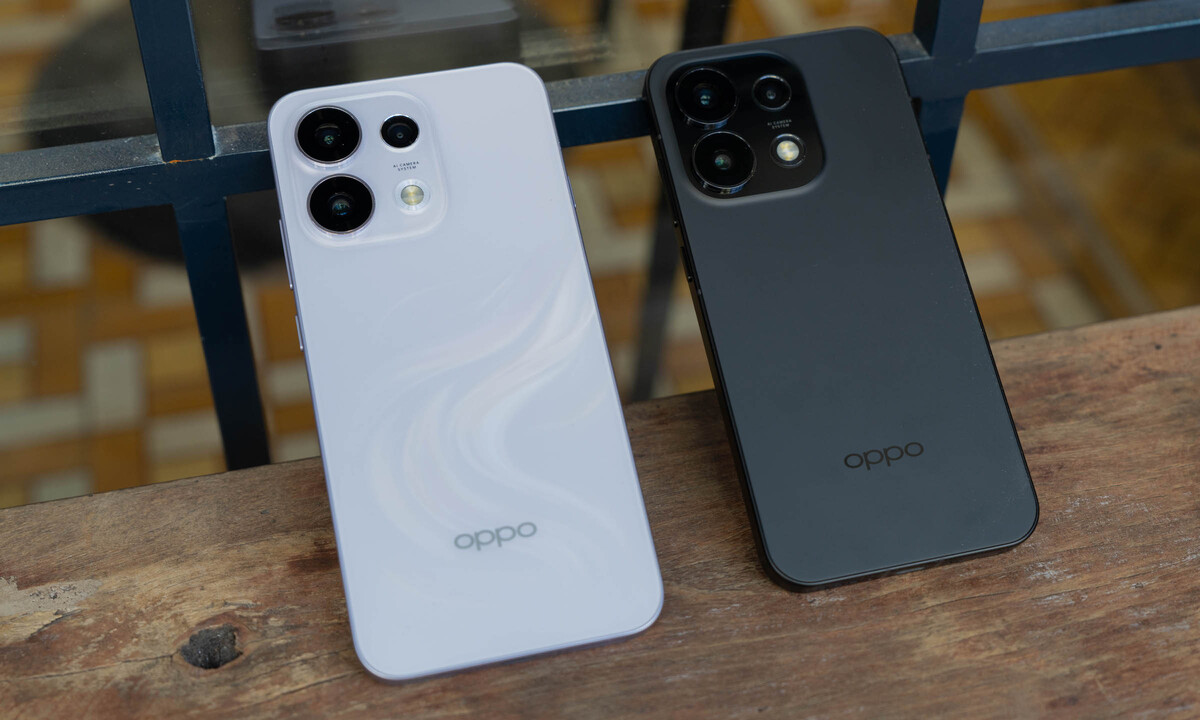
Oppo has just announced the Reno 16 series including three models Reno 16F, Reno 16 and Reno 16 Pro, on sale from July 10 with prices ranging from 15 million to 26 million VND. Similar to recently launched smartphones, affected by the memory chip crisis due to AI, the selling price of the Reno 16 series increased sharply compared to the previous generation from 3 to 6 million VND. The Reno 16 series will compete with outstanding mid-range and near-high-end smartphones such as Xiaomi 17T series, Honor 600 series, Samsung Galaxy A57.
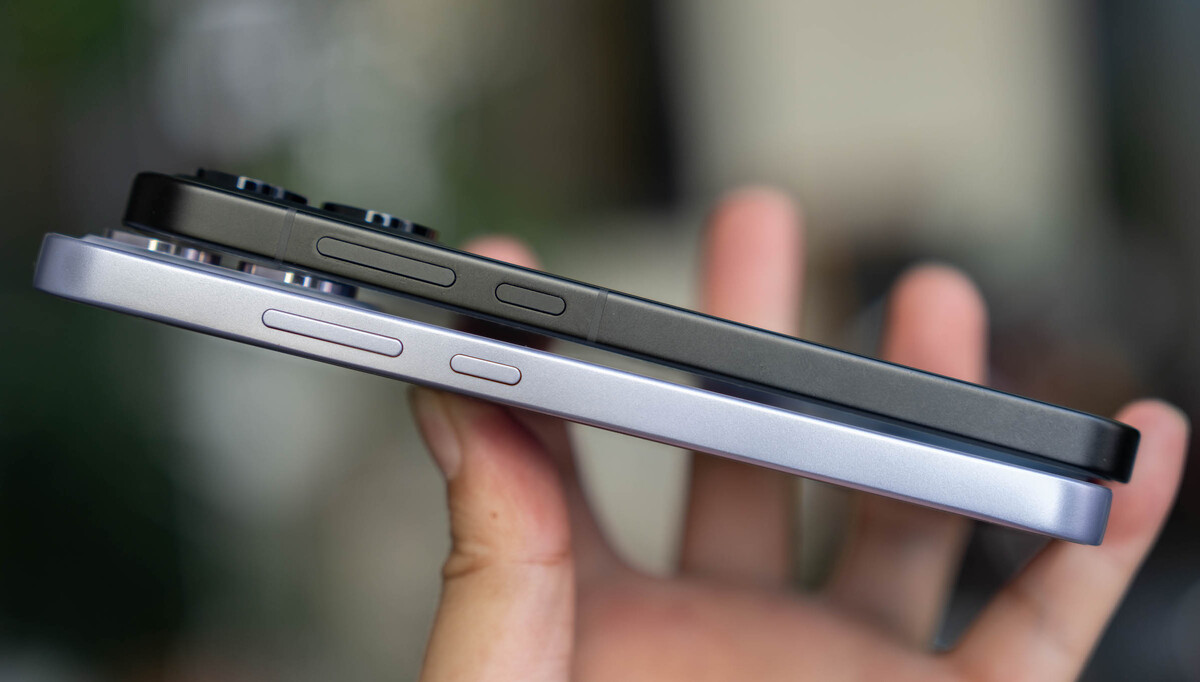
The product does not change design but focuses on upgrading small details to make the machine more seamless. On the back, Oppo uses monolithic cold sculpting technology to create a seamless camera island with the back instead of attaching this part separately as before, thereby increasing dust and water resistance. Compared to the previous generation, the Reno 16 series has an additional IP69K waterproof standard, in which K represents the ability to resist high-pressure hot water jets.
Oppo has just announced the Reno 16 series including three models Reno 16F, Reno 16 and Reno 16 Pro, on sale from July 10 with prices ranging from 15 million to 26 million VND. Similar to recently launched smartphones, affected by the memory chip crisis due to AI, the selling price of the Reno 16 series increased sharply compared to the previous generation from 3 to 6 million VND. The Reno 16 series will compete with outstanding mid-range and near-high-end smartphones such as Xiaomi 17T series, Honor 600 series, Samsung Galaxy A57.
The product does not change design but focuses on upgrading small details to make the machine more seamless. On the back, Oppo uses monolithic cold sculpting technology to create a seamless camera island with the back instead of attaching this part separately as before, thereby increasing dust and water resistance. Compared to the previous generation, the Reno 16 series has an additional IP69K waterproof standard, in which K represents the ability to resist high-pressure hot water jets.
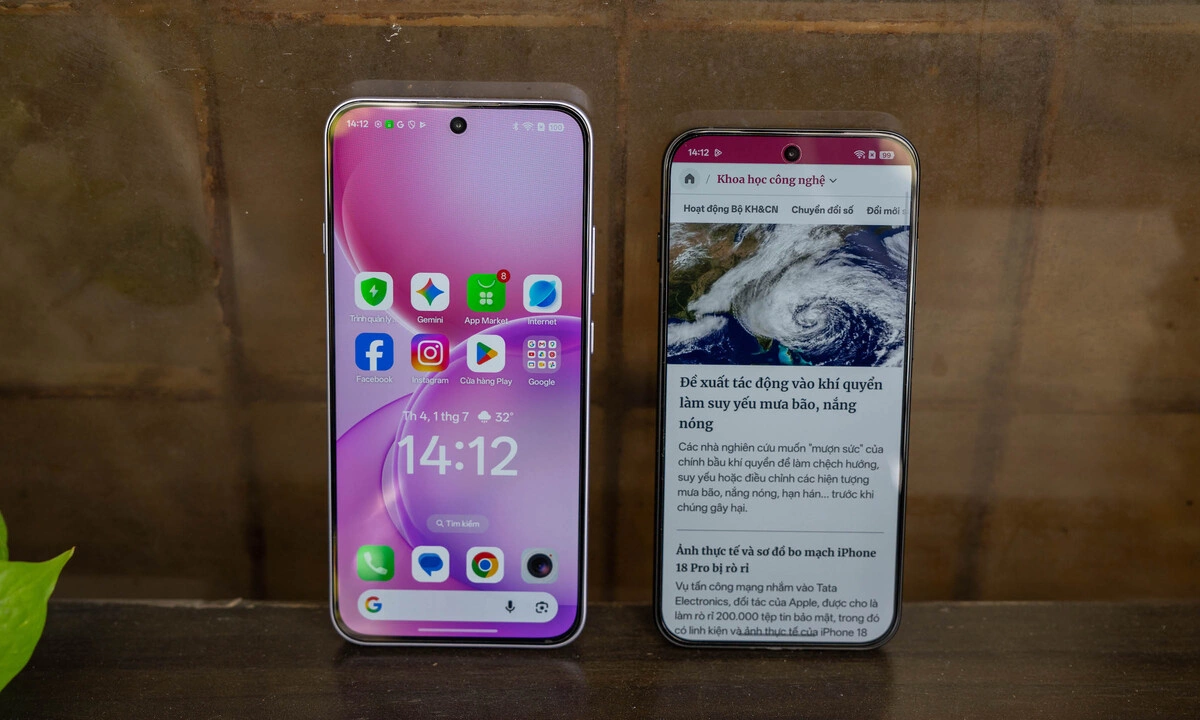
The trio still uses AMOLED panels but changes in size and scanning frequency. In particular, the 15F is 6.57 inches while the Reno 15 is reduced to 6.32 inches, equal to the 16 Pro. The two versions of Reno 15F and 15 have a scan frequency of 120 Hz, while the highest-end Pro model increases to 144 Hz, on par with a gaming smartphone.
The screen brightness has also been raised to 3,600 nits, double the previous generation's 1,800 nits, so usage under strong sunlight is better, image details and colors are displayed clearly without being shadowed.
The trio still uses AMOLED panels but changes in size and scanning frequency. In particular, the 15F is 6.57 inches while the Reno 15 is reduced to 6.32 inches, equal to the 16 Pro. The two versions of Reno 15F and 15 have a scan frequency of 120 Hz, while the highest-end Pro model increases to 144 Hz, on par with a gaming smartphone.
The screen brightness has also been raised to 3,600 nits, double the previous generation's 1,800 nits, so usage under strong sunlight is better, image details and colors are displayed clearly without being shadowed.
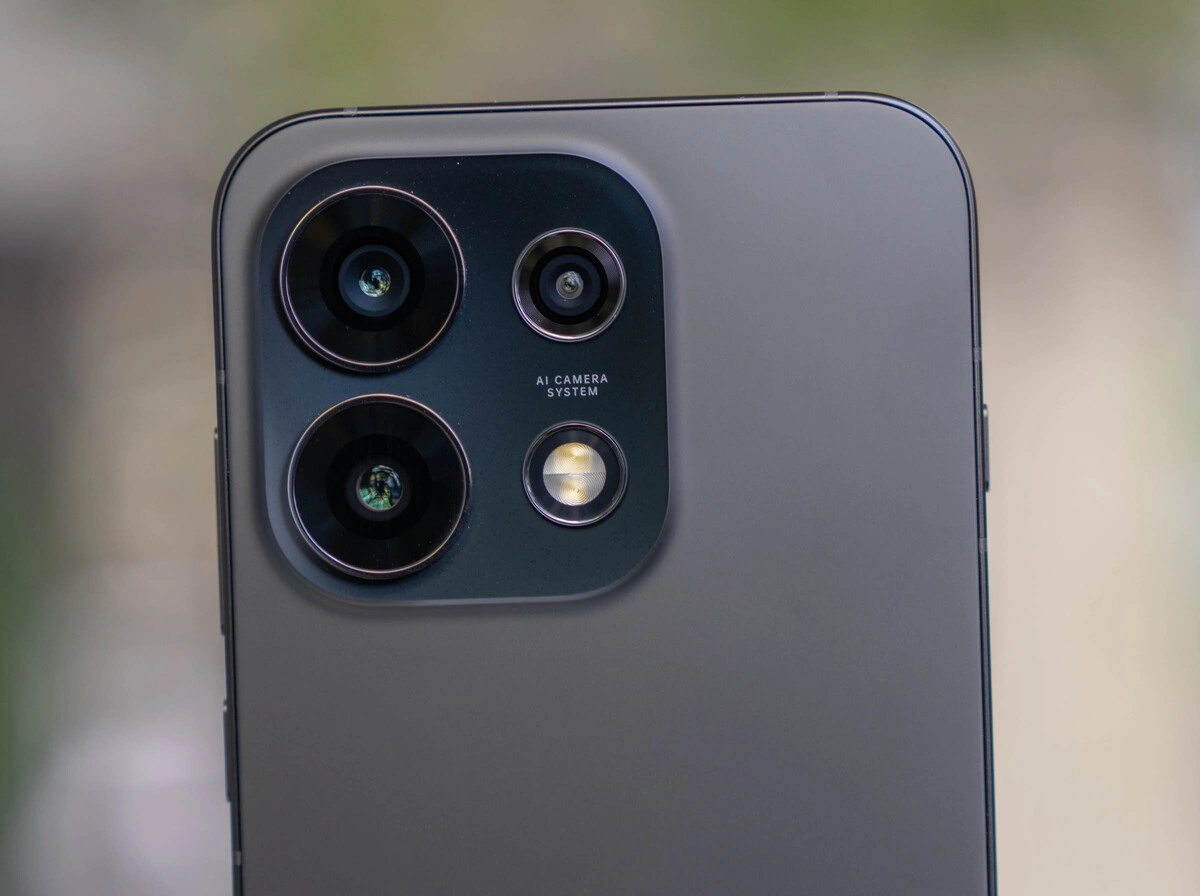
Camera parameters have not changed much compared to the previous generation. In particular, Reno 16 raises the super wide-angle camera to 50 megapixels equivalent to the main and telephoto cameras, replacing the 8 megapixel sensor of the previous generation.
The Pro version has a 200-megapixel main camera, two telephoto and ultra-wide lenses similar to the Reno 15. The 16F model replaces the 2-megapixel macro camera with a 50-megapixel telephoto lens, a 50-megapixel main camera and an 8-megapixel ultra-wide angle. The front cameras of all three have a resolution of 50 megapixels with improved lenses for a 100-degree shooting angle (0.6x).
Camera parameters have not changed much compared to the previous generation. In particular, Reno 16 raises the super wide-angle camera to 50 megapixels equivalent to the main and telephoto cameras, replacing the 8 megapixel sensor of the previous generation.
The Pro version has a 200-megapixel main camera, two telephoto and ultra-wide lenses similar to the Reno 15. The 16F model replaces the 2-megapixel macro camera with a 50-megapixel telephoto lens, a 50-megapixel main camera and an 8-megapixel ultra-wide angle. The front cameras of all three have a resolution of 50 megapixels with improved lenses for a 100-degree shooting angle (0.6x).

Reno 16 has familiar AI features for photo editing such as enhancing clarity, facial sharpening, anti-glare or composition suggestions, automatically adjusting composition, frame rate and reasonable image cropping, anti-distortion, increased sharpness and voice using AI when recording video.
In addition, Oppo has developed many new features such as POP cam shooting mode with 9 color filters of film images, creative photo collage, allowing to separate the background and moving images to create stickers, combining multiple layers of photos, videos, stickers and effects to create short videos with a few operations. The AI Popout feature version 2.0 supports stitching multiple images and highlights by enlarging the portrait beyond the frame in all 4 dimensions instead of just the top and bottom of the previous version.
Video recording capabilities are also upgraded with a self-leveling frame feature, which works like the horizon lock feature on the Galaxy S26 Ultra, helping the frame stay straight even when tilting or rotating the camera.

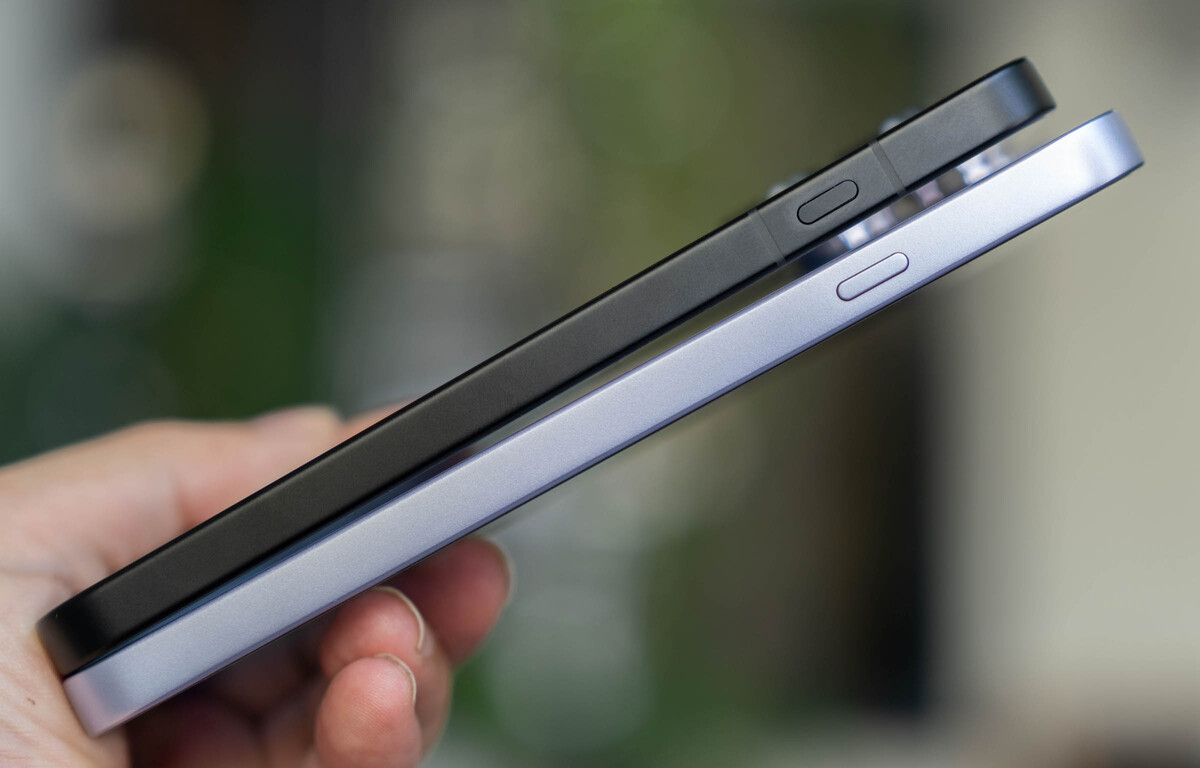
The device runs the latest ColorOS 16, with a streamlined AI toolkit. In addition to previously available features such as summarizing, translating, recording or AI Mind Space, the Reno 16 line has AI Mind Pilot that suggests the most suitable AI model for each job and allows side-by-side comparison of answers, helping users find the optimal choice. The device is also equipped for the first time with Snap Key like the high-end Find series, helping to quickly access frequently used features.
The device runs the latest ColorOS 16, with a streamlined AI toolkit. In addition to previously available features such as summarizing, translating, recording or AI Mind Space, the Reno 16 line has AI Mind Pilot that suggests the most suitable AI model for each job and allows side-by-side comparison of answers, helping users find the optimal choice. The device is also equipped for the first time with Snap Key like the high-end Find series, helping to quickly access frequently used features.
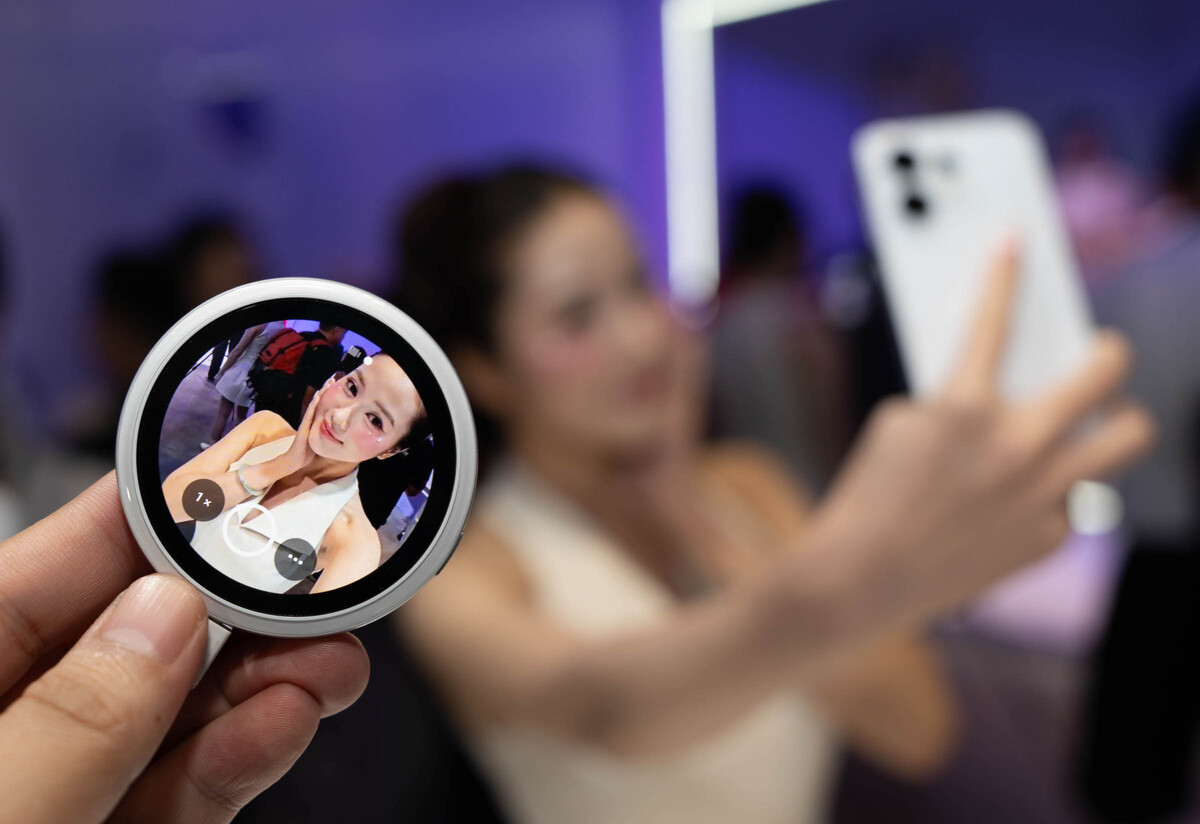
During the launch of the Reno 16 series, Oppo also introduced Bubble accessories. Users can attach it to the back of the smartphone using a magnetic suction mechanism similar to Apple's MagSafe.
The product has a compact circular design with an integrated AMOLED screen, acting as a secondary screen displaying images from the phone camera to take selfies with the rear camera, or used as a remote control to take photos from a maximum distance of 10 m. In addition to supporting photography, users can attach Bubble to keychains or straps to display images, colors, and text that they like.
During the launch of the Reno 16 series, Oppo also introduced Bubble accessories. Users can attach it to the back of the smartphone using a magnetic suction mechanism similar to Apple's MagSafe.
The product has a compact circular design with an integrated AMOLED screen, acting as a secondary screen displaying images from the phone camera to take selfies with the rear camera, or used as a remote control to take photos from a maximum distance of 10 m. In addition to supporting photography, users can attach Bubble to keychains or straps to display images, colors, and text that they like.
Regarding hardware, Reno 16 is still equipped with Snapdragon 7 Gen 4 processor while 16F switches to Dimensity 7300 Energy. Both have 8 GB RAM, 256 GB internal memory. Reno 15F has an additional 128 GB version priced from 14.99 million VND while Reno 16 is 18.99 million VND.
Regarding hardware, Reno 16 is still equipped with Snapdragon 7 Gen 4 processor while 16F switches to Dimensity 7300 Energy. Both have 8 GB RAM, 256 GB internal memory. Reno 15F has an additional 128 GB version priced from 14.99 million VND while Reno 16 is 18.99 million VND.
Meanwhile, Reno 16 Pro upgraded to Dimensity 8550 Super, 12 GB RAM, 256 GB internal memory, no longer 512 GB version like the previous generation. The highlight of the new chip is the integration of LLM Booster and support for the Gemini Nano V3 model to help handle AI tasks generated directly on the phone. The device is priced at 25.99 million VND, higher than the current price of some high-end phones such as iPhone Air, iPhone 17 or Galaxy S26.
Meanwhile, Reno 16 Pro upgraded to Dimensity 8550 Super, 12 GB RAM, 256 GB internal memory, no longer 512 GB version like the previous generation. The highlight of the new chip is the integration of LLM Booster and support for the Gemini Nano V3 model to help handle AI tasks generated directly on the phone. The device is priced at 25.99 million VND, higher than the current price of some high-end phones such as iPhone Air, iPhone 17 or Galaxy S26.
The new generation silicon carbon battery helps the Reno 16 and 16 Pro increase capacity from 6,200 to 6,700 mAh, while the 15F model maintains 7,000 mAh.
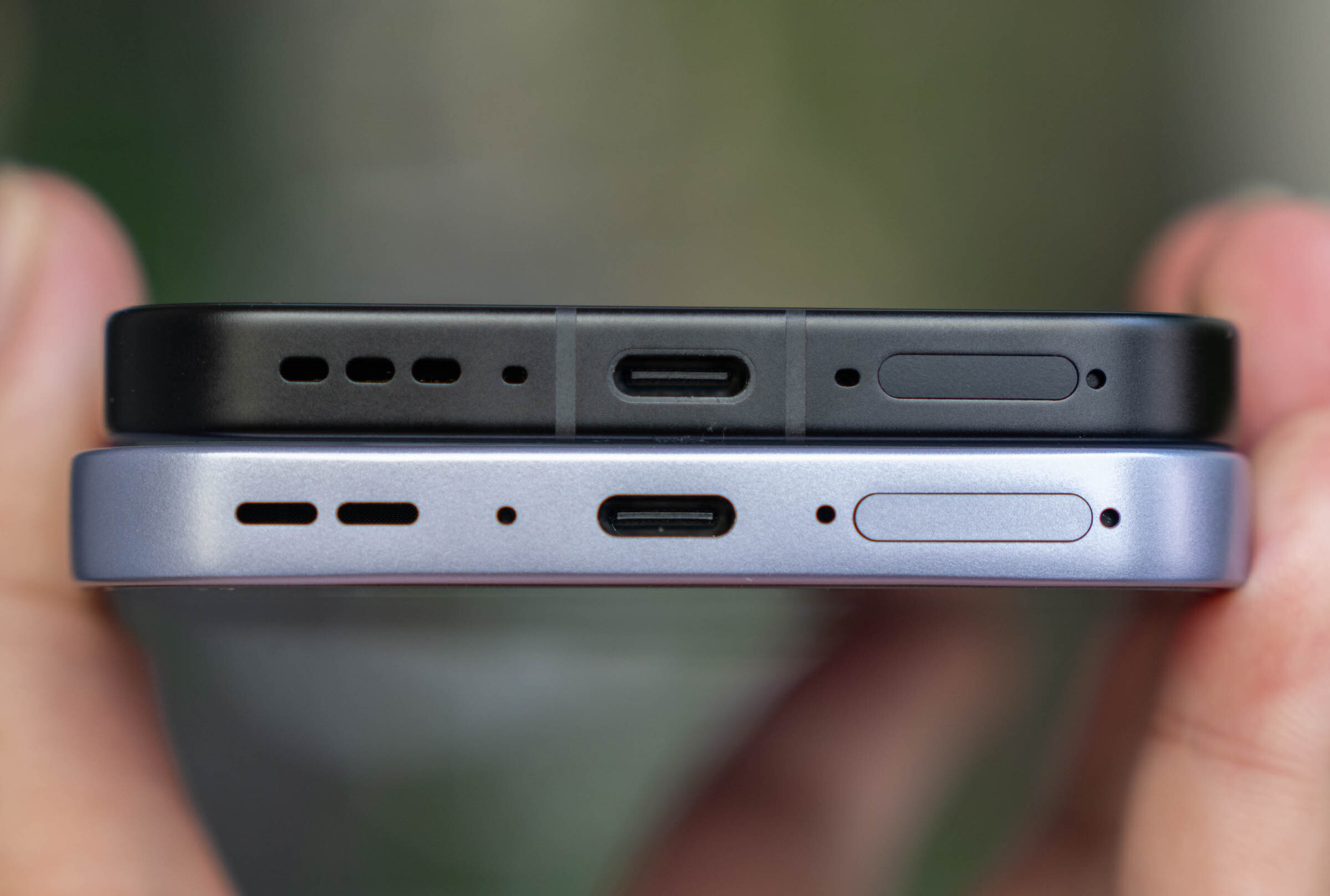
All three are equipped with 80 W fast charging, of which the 16 and 16 Pro models keep infrared ports to control peripheral devices such as TVs and air conditioners, while the 16F has reduced this equipment.
The new generation silicon carbon battery helps the Reno 16 and 16 Pro increase capacity from 6,200 to 6,700 mAh, while the 15F model maintains 7,000 mAh.
All three are equipped with 80 W fast charging, of which the 16 and 16 Pro models keep infrared ports to control peripheral devices such as TVs and air conditioners, while the 16F has reduced this equipment.
The new generation silicon carbon battery helps the Reno 16 and 16 Pro increase capacity from 6,200 to 6,700 mAh, while the 15F model maintains 7,000 mAh.
All three are equipped with 80 W fast charging, of which the 16 and 16 Pro models keep infrared ports to control peripheral devices such as TVs and air conditioners, while the 16F has reduced this equipment.