Opta - supercomputer accurately predicts the 2026 World Cup champion
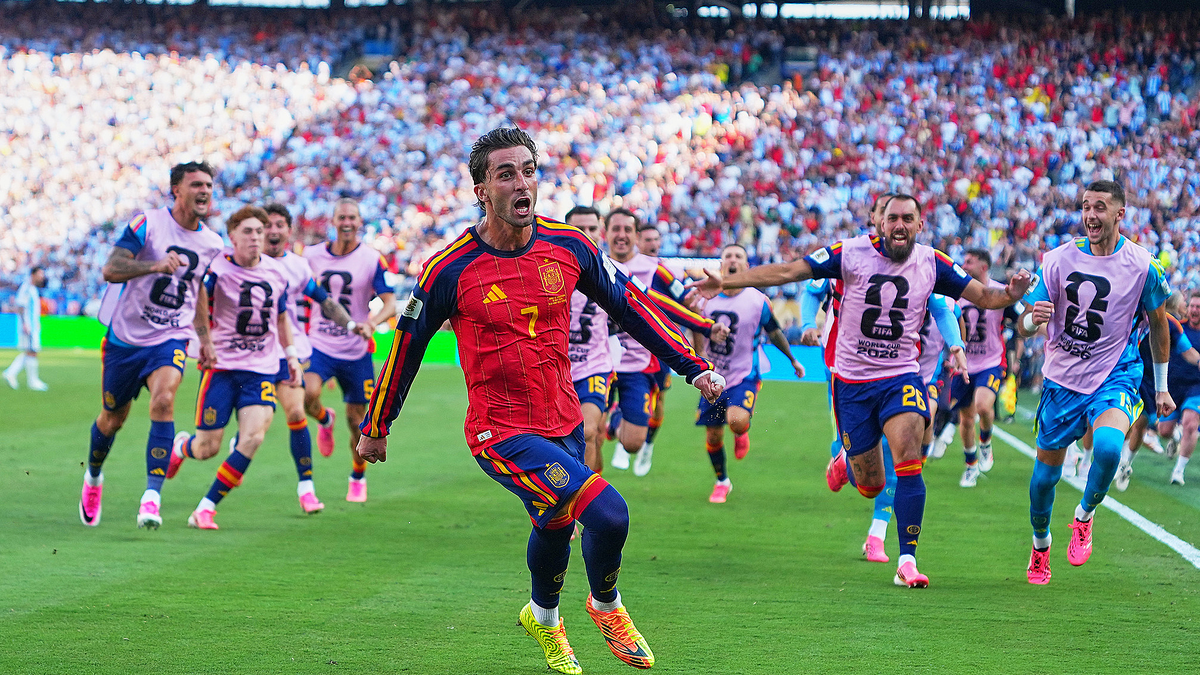
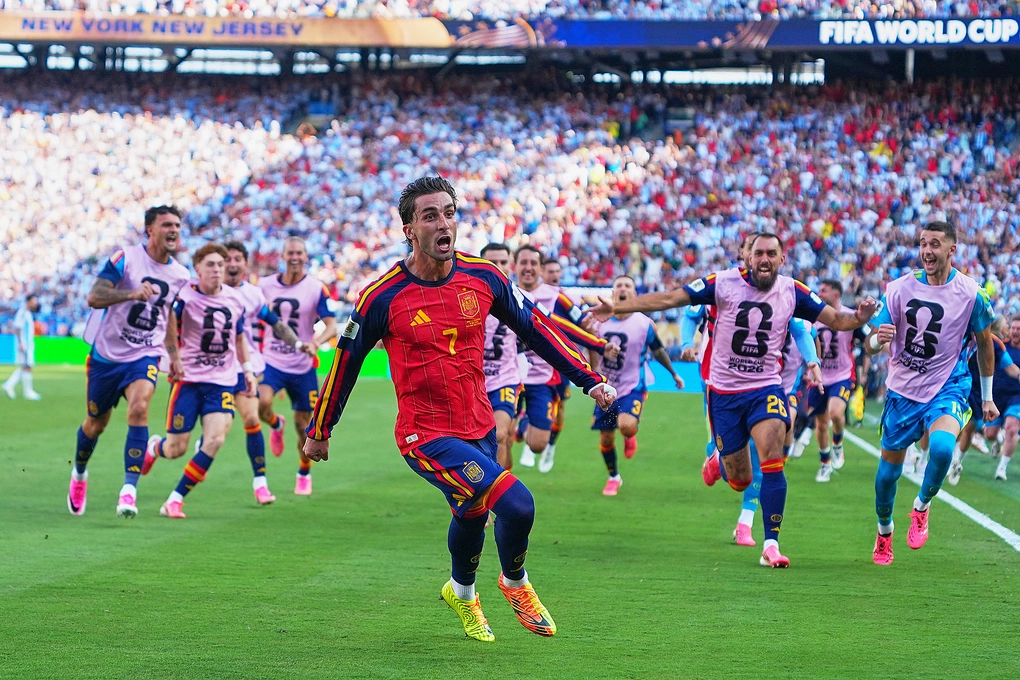
Before the final match of the 2026 FIFA World Cup between Spain and Argentina, Opta made a prediction in favor of the "Gaur" team with 59%. In fact, the two were goalless and had to enter extra time, before substitute striker Ferran Torres scored the only goal in the 106th minute.
With Spain's victory, Opta showed its ability to predict at a major tournament. Before the 2026 World Cup started, the supercomputer rated Spain as the strongest candidate, with a 16.1% chance of winning, followed by France (13%), England (11.2%), and Argentina (10.4%).
At the 2026 World Cup, Opta runs 10,000 simulations per match. Through analyzing the results of each scenario, the supercomputer determines how often each team advances to different rounds or wins the championship, then converts it into probability.
Opta is a probability simulation system founded by Opta's research department in 1996 in London, acquired and developed by Stats Perform in 2013, based on statistical data collected from hundreds of thousands of matches over decades.
The system has made many accurate predictions about tournaments such as Premier League, La Liga, Bundesliga, Serie A, Ligue 1 over the years. However, in the World Cups, this is the first time it guessed correctly. In the 2022 World Cup, Brazil is rated highest by Opta with a 15-16% chance of winning, while Argentina is only ranked 5th with 8-9%, but in the end Lionel Messi and his teammates won the throne.
In 2024, Opta correctly predicted that Argentina would win Copa America 2024. However, this supercomputer was wrong at Euro 2020 (predicting Belgium, but Italy won) or Euro 2024 (predicting England, but Spain won).
Besides Opta, a number of other supercomputers also gave the result that Spain will lift the 2026 World Cup gold cup. In particular, PELE, the soccer model of the famous data analysis blog FiveThirtyEight (USA), estimates that this team will win with a rate of 55%. The model performed about 100,000 simulations before producing results.
The supercomputer of the University of Liverpool Management School (ULMS) of the University of Liverpool (UK) also ran about 1,000 simulations before giving similar results.
With famous AI chatbots, most also lean towards the "bull country" team, including OpenAI ChatGPT, DeepSeek, Alibaba Qwen, Google Gemini, SpaceXAI Grok.