Mixed reactions when Apple products increase prices by millions of dong
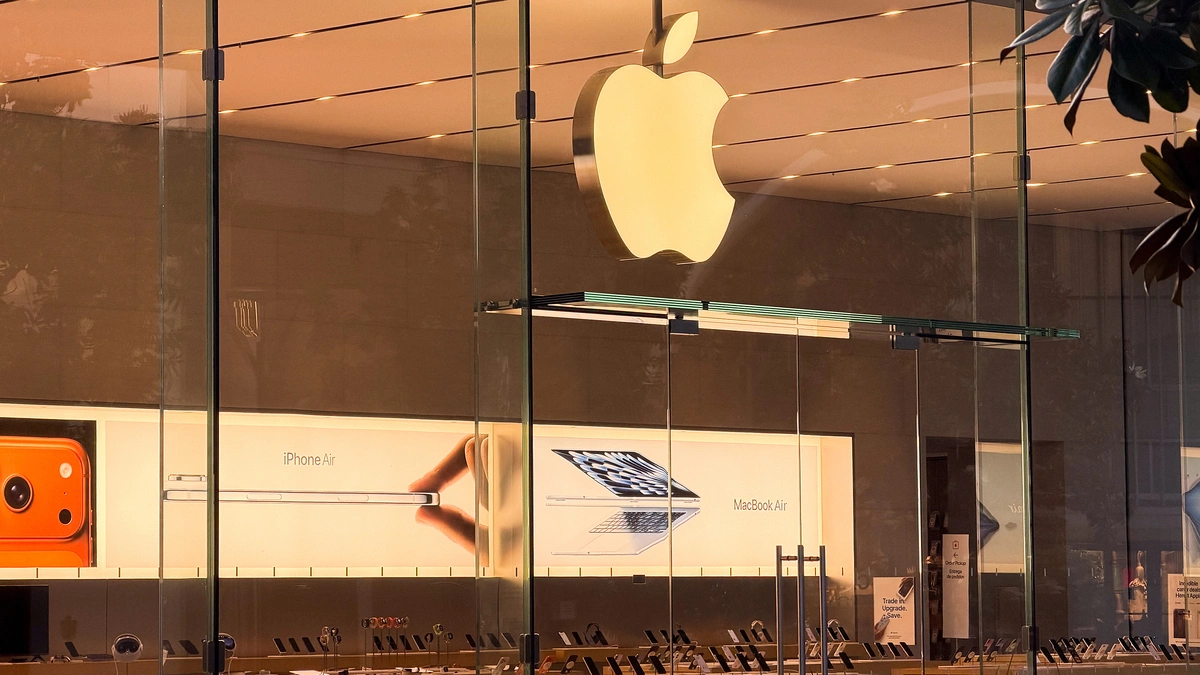
On June 25, Apple raised the prices of Macs and iPads by 15-25%, equivalent to an increase from 3 million to more than 30 million VND, just a week after CEO Tim Cook "fenced" that the cost of memory chip components is increasing during the AI fever. "We have tried our best to reduce price increases and protect customers, but things are becoming unsustainable," he said.
On social networks, many people began to criticize Apple. "Apple is forcing users to pay for the AI race," Twitter account Savad commented.
"A highly profitable company that still raises prices is clearly the priority is protecting profit margins, not customers," said Tayal's account. "Apple once prided itself on its ability to control the supply chain, but ultimately passed all the cost pressure on to buyers."
Elon Musk also assessed that Apple's increase in prices for a series of devices was surprising. "Biggest price jump of anything I've ever seen," the billionaire wrote on Twitter.

The media said that, despite prior announcement, the price increase of up to 15-25% shows that the memory chip supply market is much harsher than it appears. "Apple is famous for keeping prices the same throughout the product life cycle. The mid-cycle adjustment is very notable, reflecting the severity of the memory chip crisis," commented The Verge.
The stock market also reacted negatively. As noted by CNBC, Apple shares experienced their worst day since April 4, 2025, when they fell more than 6%.
"While price increases help protect profit margins, the mid-cycle adjustment is highly unusual for Apple, increasing the risk of demand shortages for Macs and iPads," Evercore ISI analyst Amit Daryanani told Barrons, predicting the company's stock price will continue to decline in the next few days.
However, Business Insider believes that Apple has "shouldered" most of the increased costs for many quarters. Therefore, as memory chip prices rise to unprecedented levels due to AI demand, adjustments are inevitable. "If Apple continues to maintain prices, it will have to accept a deep decline in profit margins or cut investment in research and development, which it will not do," this site commented.
Experts also say that Apple is a "victim" and that raising prices is unavoidable. "They are just one of many companies affected by the memory chip supply crisis. Dell, Microsoft and many other PC manufacturers have done the same thing before," commented Guardian.
According to Tom's Hardware, the cause of the prolonged crisis is the huge demand from AI data centers. Modern systems require large amounts of high bandwidth memory (HBM) to continuously feed data to the GPU. HBM has very high profit margins, so manufacturers are devoting production, investment and technical resources to this segment. This means they are reducing their focus on conventional DRAM memory, leading to a shortage in supply for computers, servers, and mobile devices.
Data from market research firm TrendForce shows that the price of dynamic random access memory (DRAM), used in most modern technology devices, increased by 98% in the first quarter of 2026 and is expected to increase by another 58-63% in the current quarter. The term "RAMageddon" also appeared because memory manufacturers prioritized selling products to data centers and AI servers.
Some analysts predict Apple will soon raise iPhone prices. "iPhone is no exception. Its price is about to be pushed up," Nabila Popal, research director at data firm IDC, told Reuters. "Raising prices before launching the new generation iPhone in the fall is an extremely wise strategy. By then, the focus is no longer on price, but on the value the new smartphones bring."
Bloomberg expert Mark Gurman and "rumor expert" Ice Universe also said that iPhone price increases are "not a story of the fall". Meaning, users may have to buy the iPhone 17 at a higher price in the coming weeks, instead of waiting until the iPhone 18 is released in mid-September.
Meanwhile, memory chip companies are in their "honeymoon" period thanks to the AI fever. Micron Technology achieved revenue of 41.46 billion USD in the third fiscal quarter of 2026, four times higher than the same period last year, and the stock increased 700% in the past year. The stock price of Korean memory chip company SK Hynix also increased 400%, while Samsung's memory chip manufacturing company reached a capitalization of over 1,000 billion USD for the first time thanks to high profits last year.
Bao Lam compiled