PII 2026 - from innovation index to management tool
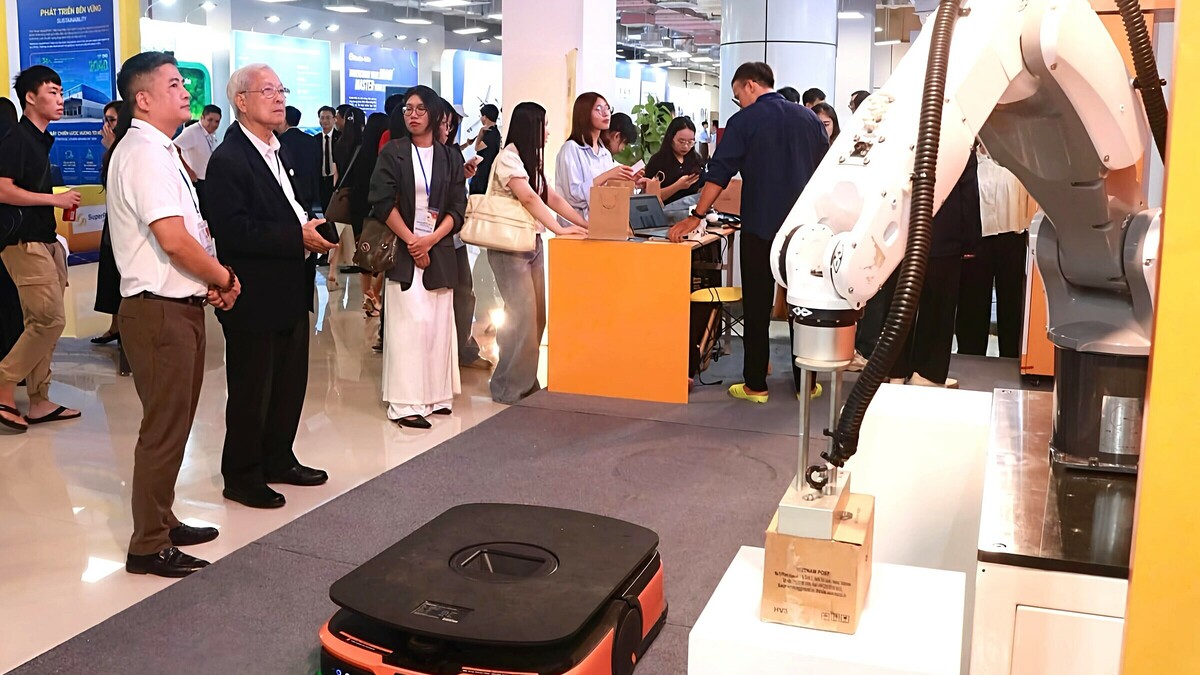
PII 2026 will be announced at the National Innovation Festival Celebration on the morning of October 4, marking the fourth year this index has been developed and deployed nationwide. This is a set of indicators built based on the methodology of the Global Innovation Index (GII), with the goal of measuring innovation capacity and results at the local level.
After three years of nationwide implementation, PII 2026 has a measuring framework of seven pillars and 52 component indicators. The notable change lies in updating data more closely, especially indicators reflecting the research, development and innovation activities of businesses.
The five input pillars include: institutions; human capital and research; infrastructure; market development level; level of development of the enterprise. The two output pillars are knowledge, creativity and technology products; impact. A total of 52 indicators under seven pillars are used to reflect from institutional conditions, human resources, infrastructure, finance to business capacity, intellectual property and socio-economic results.
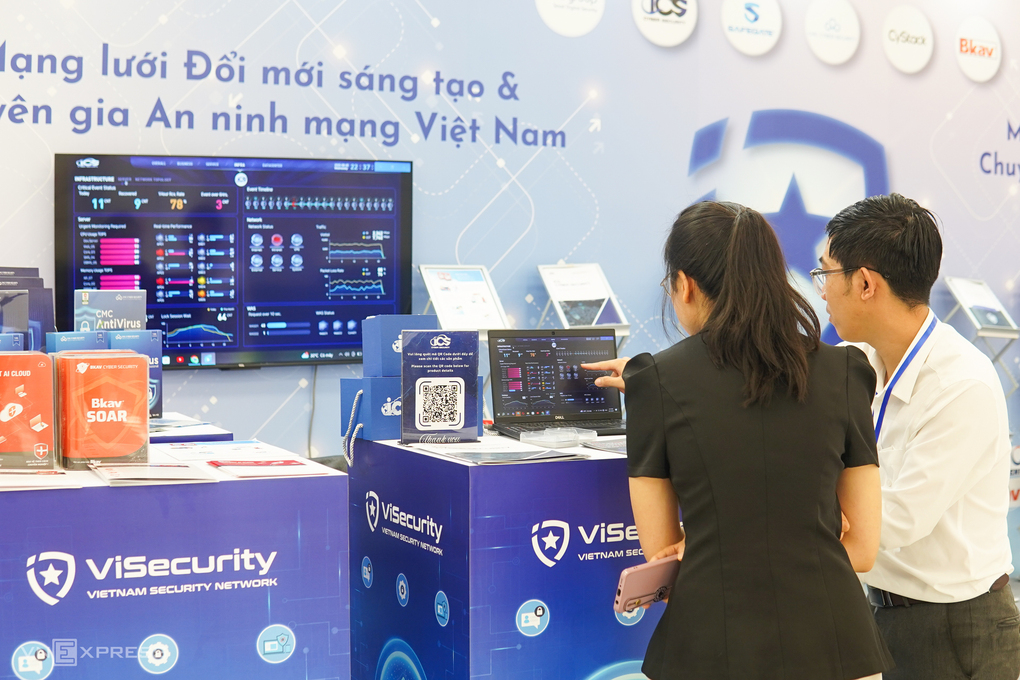
According to the Department of Innovation, Ministry of Science and Technology, PII was built to help localities identify strengths, weaknesses and factors affecting socio-economic development based on science, technology and innovation.
The data source to build PII is collected based on data from statistical reports and official management reports of central and local agencies, which have been checked and reviewed by the Department of Innovation.
From pilot to management tool
In Vietnam, PII will begin to be built in the pilot phase in 2022 with 20 localities, before being deployed nationwide from 2023.
According to the Department's assessment, the results of the first three years show that the index set has relatively high structural stability. In 2023 and 2024, Hanoi and Ho Chi Minh City respectively hold the top two positions, while some localities have changes in rankings in the next group.
In 2025, the top five localities are Hanoi, Ho Chi Minh City, Quang Ninh, Hai Phong and Hue respectively. Hanoi reached 65.68 points, Ho Chi Minh City 59.33 points and Quang Ninh 58.41 points.

According to the Department of Innovation, PII is being used more as a management tool. By September, 29 out of 34 localities had issued PII improvement plans. Some localities have established science and technology tasks to research solutions to improve growth indicators or models based on science, technology and innovation.
From the results of the annual PII index, localities can look at each group of indicators to determine whether they are lacking infrastructure, human resources, capital, business-institution links or the ability to create knowledge products.
However, the report of the Department of Innovation also points out a limitation, such as: some localities still have limited awareness and resources to deploy PII, making the provision of data incomplete and timely. Some business data has not been updated, while using PII results to build solutions to improve innovation capacity is not yet practical.
Vietnam is currently one of four countries that build a local innovation index based on GII, along with Brazil, Colombia and India. According to Deputy Minister of Science and Technology Hoang Minh, Vietnam's construction of the PII index is highly appreciated by the World Intellectual Property Organization (WIPO). WIPO considers Vietnam a model for other countries around the world to learn in building a local innovation assessment index based on the global innovation index (GII). WIPO also noted that "there is a lot to learn from Vietnam's experience in building the PII index".
PII (Provincial Innovation Index) is the only index that fully and comprehensively evaluates the current state of the local socio-economic development model based on science, technology and innovation, assigned by the Government to the Ministry of Science and Technology as the agency in charge of building every year from 2023. The PII index will provide a basis for Government leaders and local leaders to make guidelines and policies to implement the Politburo's Resolution on breakthrough scientific development. education, technology, innovation and national digital transformation to bring the country to strong development in the new era.
Luu Quy