Redmi Note 17 series - super durable smartphone, maximum battery 10,000 mAh
Redmi Note 17 series - super durable smartphone, maximum battery 10,000 mAh
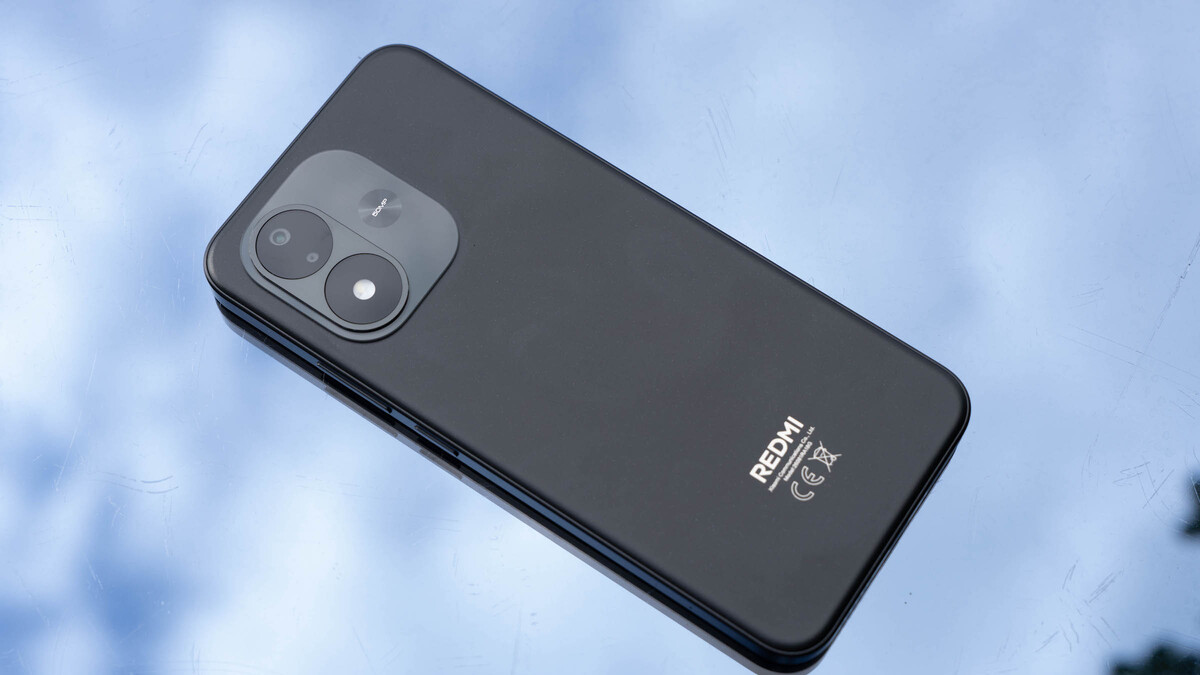
Redmi Note 17 series was launched just half a year after the Redmi Note 15 series. However, the product does not compete with configuration but focuses on battery capacity and durability.
The product line includes four versions: Redmi Note 17, 17 5G, 17 Pro 5G and 17 Pro Max 5G, with prices from 6.5 million to 16 million VND, ranging from the popular mid-range and near-high-end segments. Xiaomi also uses the suffix Pro Max instead of the previous Pro+.
Redmi Note 17 series was launched just half a year after the Redmi Note 15 series. However, the product does not compete with configuration but focuses on battery capacity and durability.
The product line includes four versions: Redmi Note 17, 17 5G, 17 Pro 5G and 17 Pro Max 5G, with prices from 6.5 million to 16 million VND, ranging from the popular mid-range and near-high-end segments. Xiaomi also uses the suffix Pro Max instead of the previous Pro+.
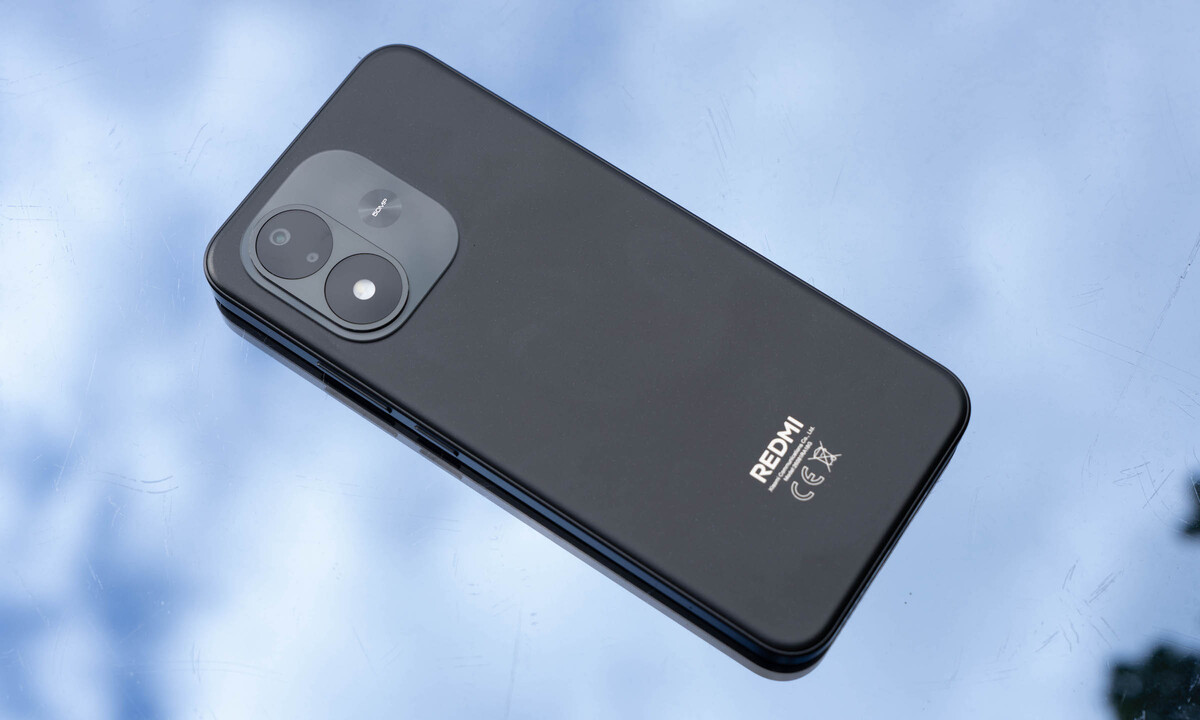
Redmi Note 17 series has a more uniform design instead of being clearly differentiated like the old generation. The two standard models have a slightly curved screen and back on all four sides, while the Pro series has a similar flat design, giving it a solid, compact and less slippery feel. The standard and 5G versions have a matte plastic back, while the Pro Max 5G version uses a back made from fiberglass.
Redmi Note 17 series has a more uniform design instead of being clearly differentiated like the old generation. The two standard models have a slightly curved screen and back on all four sides, while the Pro series has a similar flat design, giving it a solid, compact and less slippery feel. The standard and 5G versions have a matte plastic back, while the Pro Max 5G version uses a back made from fiberglass.
Redmi Note 17 Pro 5G and 17 Pro Max 5G feature a 6.83-inch CrystalRes AMOLED screen with 1.5K resolution and 120 Hz refresh rate, maximum brightness of 3,500 nits.
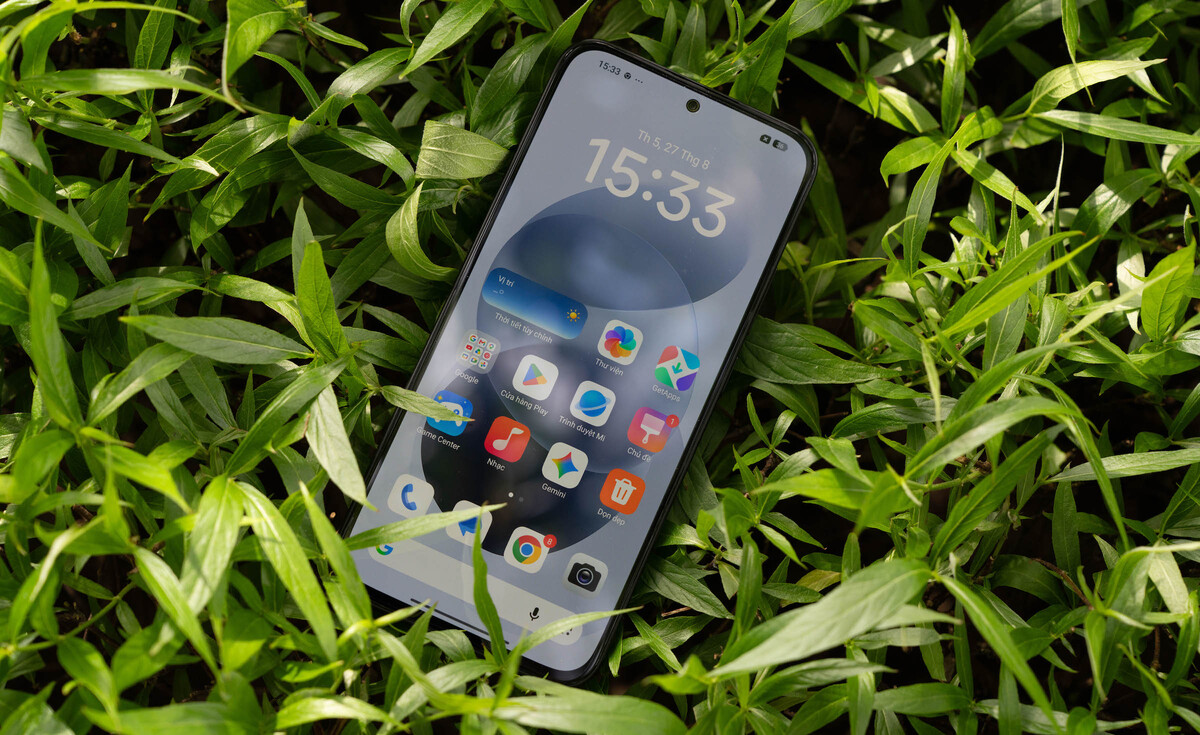
Meanwhile, Redmi Note 17 and 17 5G have a 6.99-inch AMOLED screen, FHD + resolution, 120 Hz refresh rate and 1,800 nit brightness. The device screen supports use when hands are wet or in light rain with Wet Touch 2.0 technology.
The obvious difference between the Pro and Pro Max versions compared to the standard version is the screen border thickness.
Redmi Note 17 Pro 5G and 17 Pro Max 5G feature a 6.83-inch CrystalRes AMOLED screen with 1.5K resolution and 120 Hz refresh rate, maximum brightness of 3,500 nits.
Meanwhile, Redmi Note 17 and 17 5G have a 6.99-inch AMOLED screen, FHD + resolution, 120 Hz refresh rate and 1,800 nit brightness. The device screen supports use when hands are wet or in light rain with Wet Touch 2.0 technology.
The obvious difference between the Pro and Pro Max versions compared to the standard version is the screen border thickness.
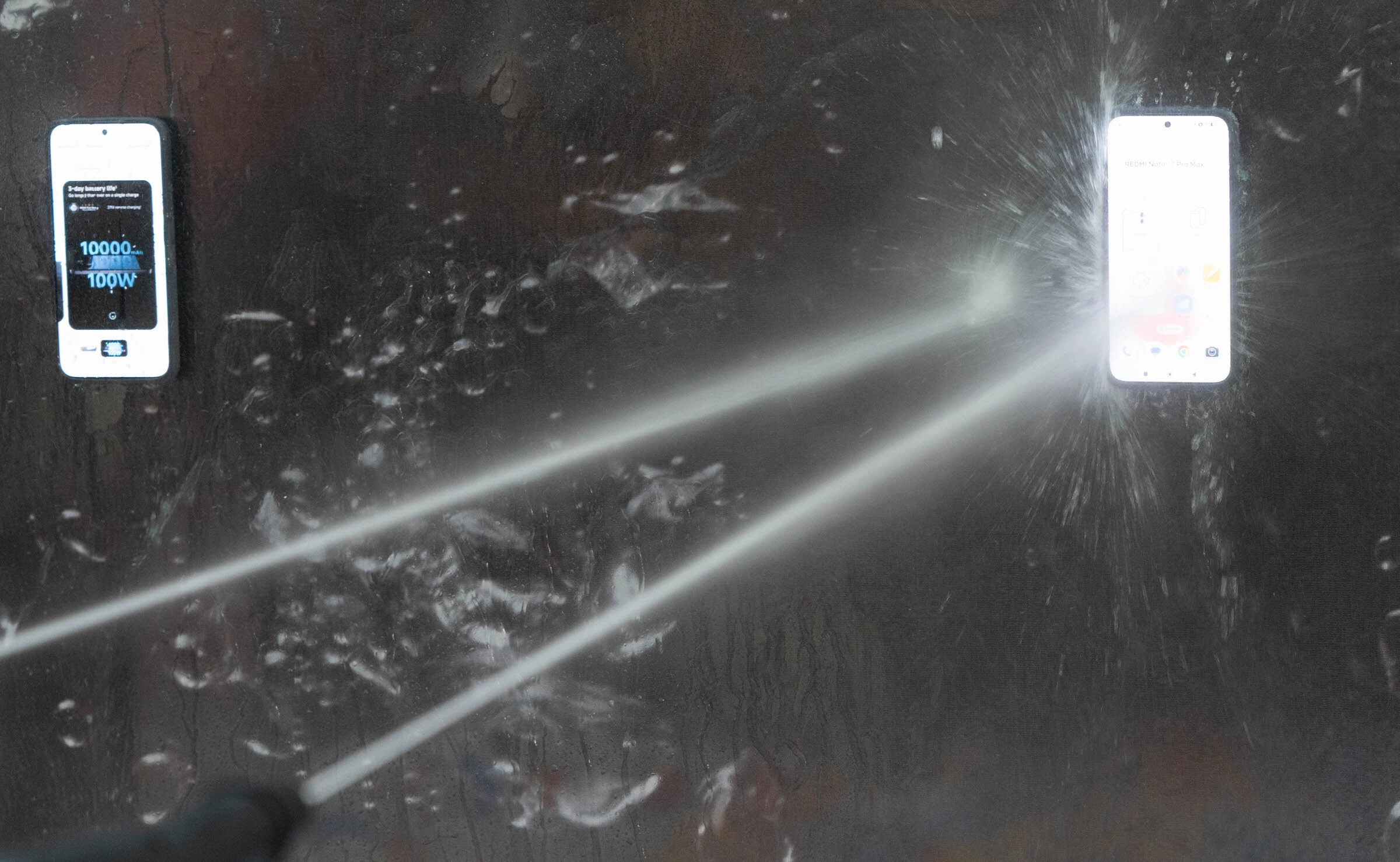
Durability is considered a valuable upgrade on Xiaomi's new products. The Pro and Pro Max versions use Corning Gorilla Glass Victus 2 tempered glass and Redmi Titan frame structure, achieving SGS 5-Star Premium Performance certification after passing a drop test from a height of up to 3 m to the rock floor. The device supports IP66, IP68, IP69 and IP69K standards, can be immersed in water at a depth of 2 m continuously for 72 hours and can withstand high pressure water jets and hot water. Meanwhile, the two standard versions meet IP65 standards.
Durability is considered a valuable upgrade on Xiaomi's new products. The Pro and Pro Max versions use Corning Gorilla Glass Victus 2 tempered glass and Redmi Titan frame structure, achieving SGS 5-Star Premium Performance certification after passing a drop test from a height of up to 3 m to the rock floor. The device supports IP66, IP68, IP69 and IP69K standards, can be immersed in water at a depth of 2 m continuously for 72 hours and can withstand high pressure water jets and hot water. Meanwhile, the two standard versions meet IP65 standards.
Durability is considered a valuable upgrade on Xiaomi's new products. The Pro and Pro Max versions use Corning Gorilla Glass Victus 2 tempered glass and Redmi Titan frame structure, achieving SGS 5-Star Premium Performance certification after passing a drop test from a height of up to 3 m to the rock floor. The device supports IP66, IP68, IP69 and IP69K standards, can be immersed in water at a depth of 2 m continuously for 72 hours and can withstand high pressure water jets and hot water. Meanwhile, the two standard versions meet IP65 standards.
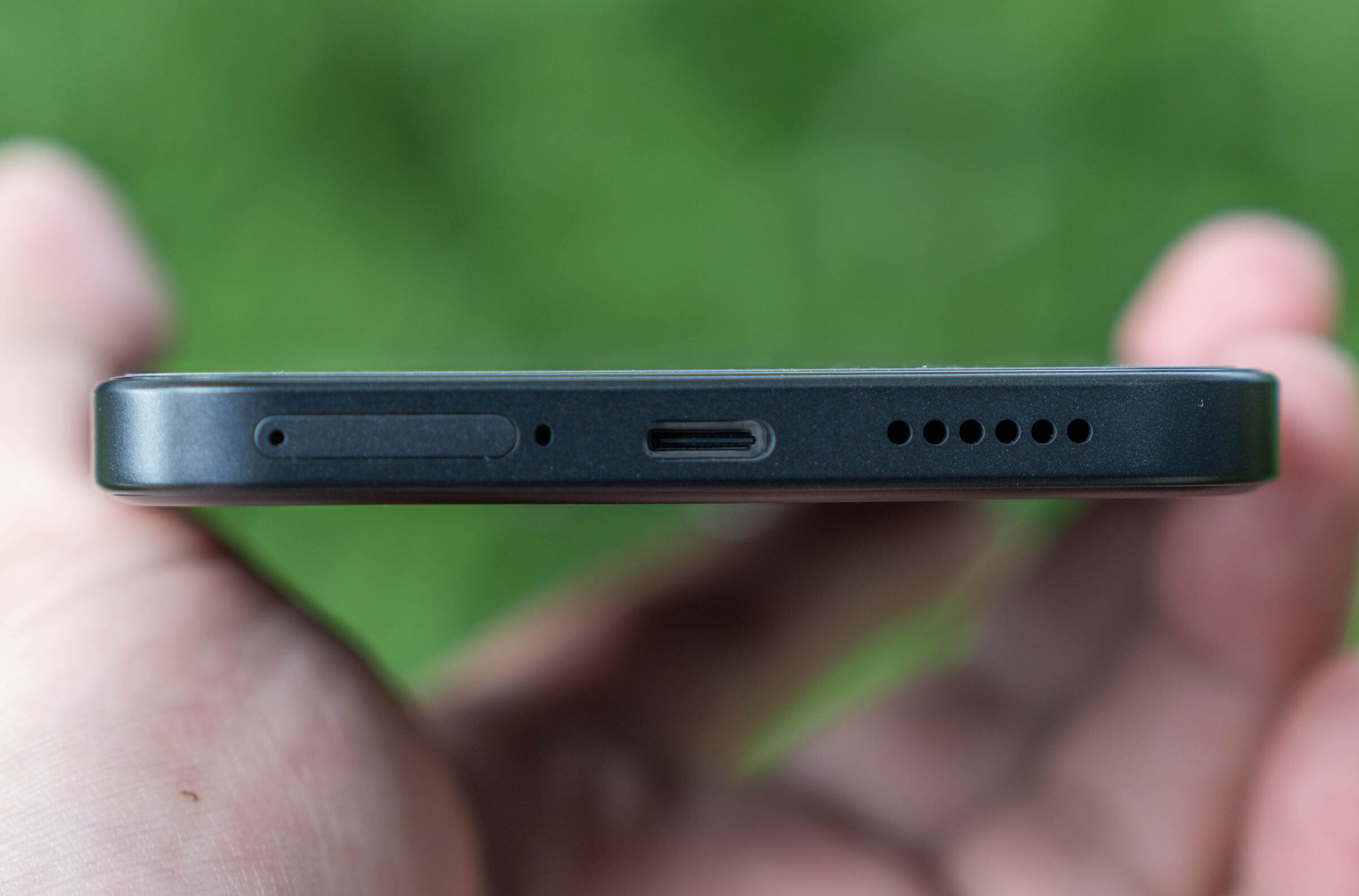
Battery capacity is the strong point of the product. The Pro Max 5G model has a 10,000 mAh silicon-carbon battery, the highest level on a regular smartphone, on par with the Realme P4 Power, allowing about three days of use. The device comes with 100 W HyperCharge fast charging and supports 27 W wired reverse charging. Xiaomi says the battery retains over 80% capacity after 1,600 charging cycles.
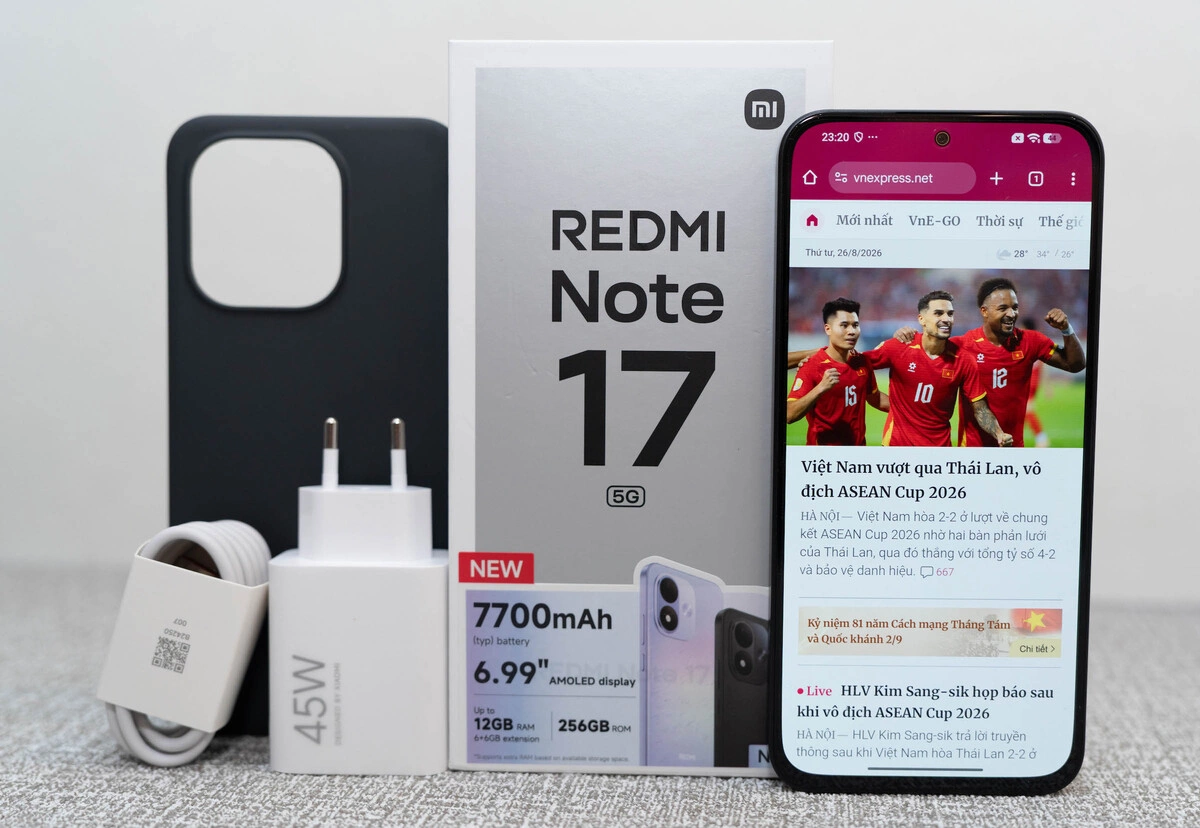
The Pro 5G version uses an 8,340 mAh battery, 67 W fast charging, 22.5 W reverse charging. The Note 17 and Note 17 5G models both have a 7,700 mAh battery, 45 W fast charging, 22.5 W reverse charging.
The thickness of the Redmi Note 17 series versions is 8.5 mm, slightly thicker than the previous generation.
Battery capacity is the strong point of the product. The Pro Max 5G model has a 10,000 mAh silicon-carbon battery, the highest level on a regular smartphone, on par with the Realme P4 Power, allowing about three days of use. The device comes with 100 W HyperCharge fast charging and supports 27 W wired reverse charging. Xiaomi says the battery retains over 80% capacity after 1,600 charging cycles.
The Pro 5G version uses an 8,340 mAh battery, 67 W fast charging, 22.5 W reverse charging. The Note 17 and Note 17 5G models both have a 7,700 mAh battery, 45 W fast charging, 22.5 W reverse charging.
The thickness of the Redmi Note 17 series versions is 8.5 mm, slightly thicker than the previous generation.
Battery capacity is the strong point of the product. The Pro Max 5G model has a 10,000 mAh silicon-carbon battery, the highest level on a regular smartphone, on par with the Realme P4 Power, allowing about three days of use. The device comes with 100 W HyperCharge fast charging and supports 27 W wired reverse charging. Xiaomi says the battery retains over 80% capacity after 1,600 charging cycles.
The Pro 5G version uses an 8,340 mAh battery, 67 W fast charging, 22.5 W reverse charging. The Note 17 and Note 17 5G models both have a 7,700 mAh battery, 45 W fast charging, 22.5 W reverse charging.
The thickness of the Redmi Note 17 series versions is 8.5 mm, slightly thicker than the previous generation.
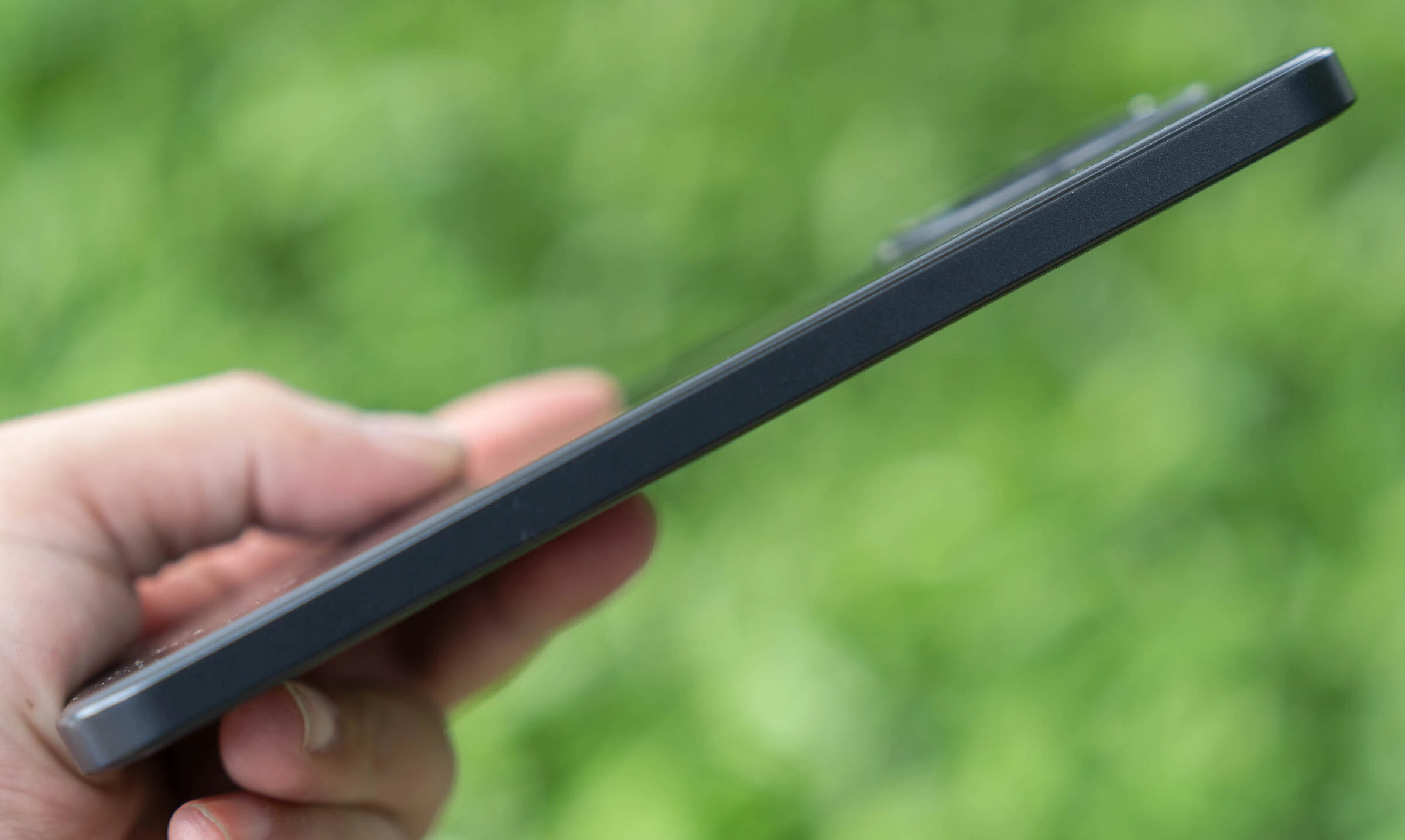
Redmi Note 17 Pro Max 5G is equipped with Snapdragon 6 Gen 5 chip, while Pro 5G uses Snapdragon 6s Gen 4. Meanwhile, Note 17 5G and Note 17 run Snapdragon 4 Gen 4 and Snapdragon 6s 4G Gen 2 respectively.
The four phones have between 4 and 12 GB of RAM and up to 512 GB of internal storage. Compared to the previous generation, the new Redmi Note series is not as strong, said to be due to the memory chip crisis. To keep a good price, Xiaomi must reduce product configuration and focus on durability.
Redmi Note 17 Pro Max 5G is equipped with Snapdragon 6 Gen 5 chip, while Pro 5G uses Snapdragon 6s Gen 4. Meanwhile, Note 17 5G and Note 17 run Snapdragon 4 Gen 4 and Snapdragon 6s 4G Gen 2 respectively.
The four phones have between 4 and 12 GB of RAM and up to 512 GB of internal storage. Compared to the previous generation, the new Redmi Note series is not as strong, said to be due to the memory chip crisis. To keep a good price, Xiaomi must reduce product configuration and focus on durability.
Redmi Note 17 Pro Max 5G is equipped with Snapdragon 6 Gen 5 chip, while Pro 5G uses Snapdragon 6s Gen 4. Meanwhile, Note 17 5G and Note 17 run Snapdragon 4 Gen 4 and Snapdragon 6s 4G Gen 2 respectively.
The four phones have between 4 and 12 GB of RAM and up to 512 GB of internal storage. Compared to the previous generation, the new Redmi Note series is not as strong, said to be due to the memory chip crisis. To keep a good price, Xiaomi must reduce product configuration and focus on durability.
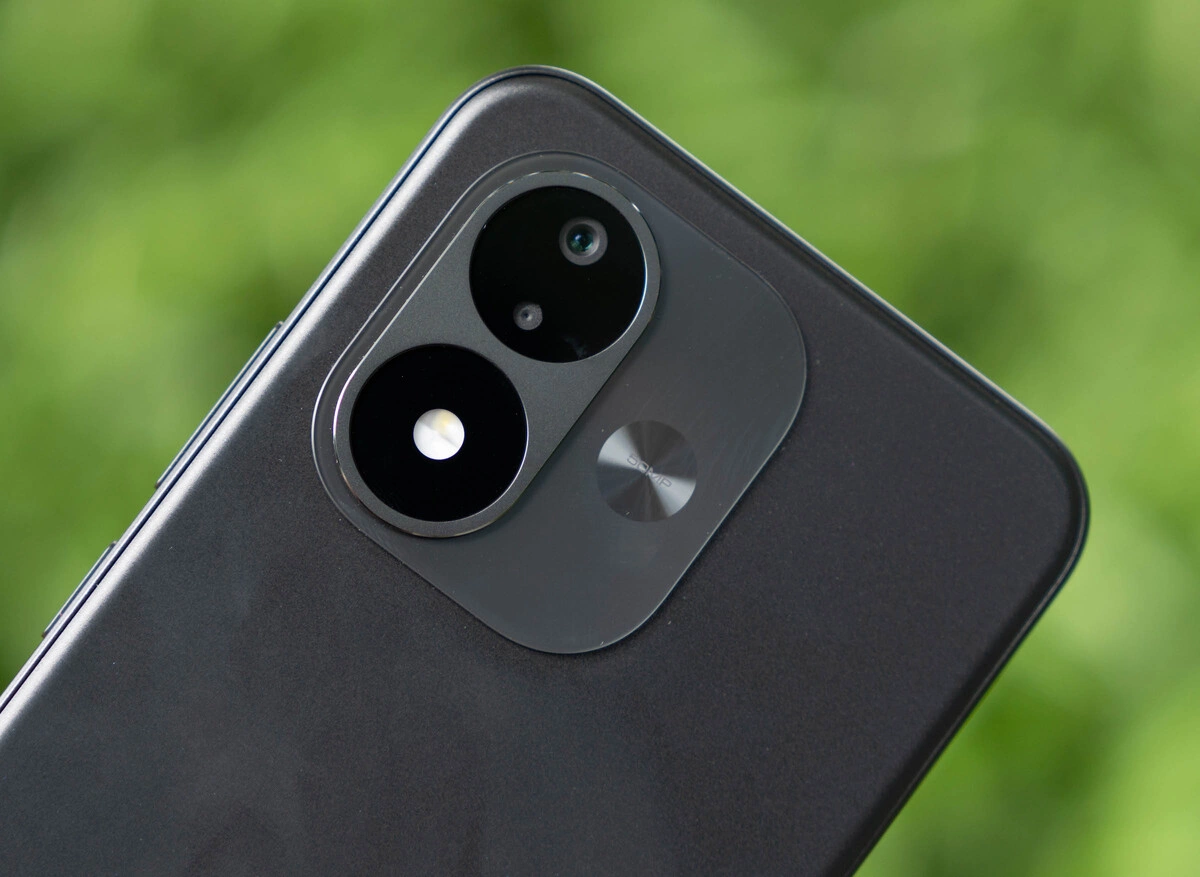
Xiaomi equips two rear cameras for all four versions. In particular, Redmi Note 17 Pro and 17 Pro Max have a 50 megapixel main camera, support OIS optical image stabilization and 8 megapixel super wide angle. The difference between the two devices lies in the front cameras, 16 and 32 megapixels respectively.
The two standard versions have a 50-megapixel main camera and a secondary camera that supports background blur, while the selfie camera has a resolution of 16 megapixels.
Xiaomi equips two rear cameras for all four versions. In particular, Redmi Note 17 Pro and 17 Pro Max have a 50 megapixel main camera, support OIS optical image stabilization and 8 megapixel super wide angle. The difference between the two devices lies in the front cameras, 16 and 32 megapixels respectively.
The two standard versions have a 50-megapixel main camera and a secondary camera that supports background blur, while the selfie camera has a resolution of 16 megapixels.
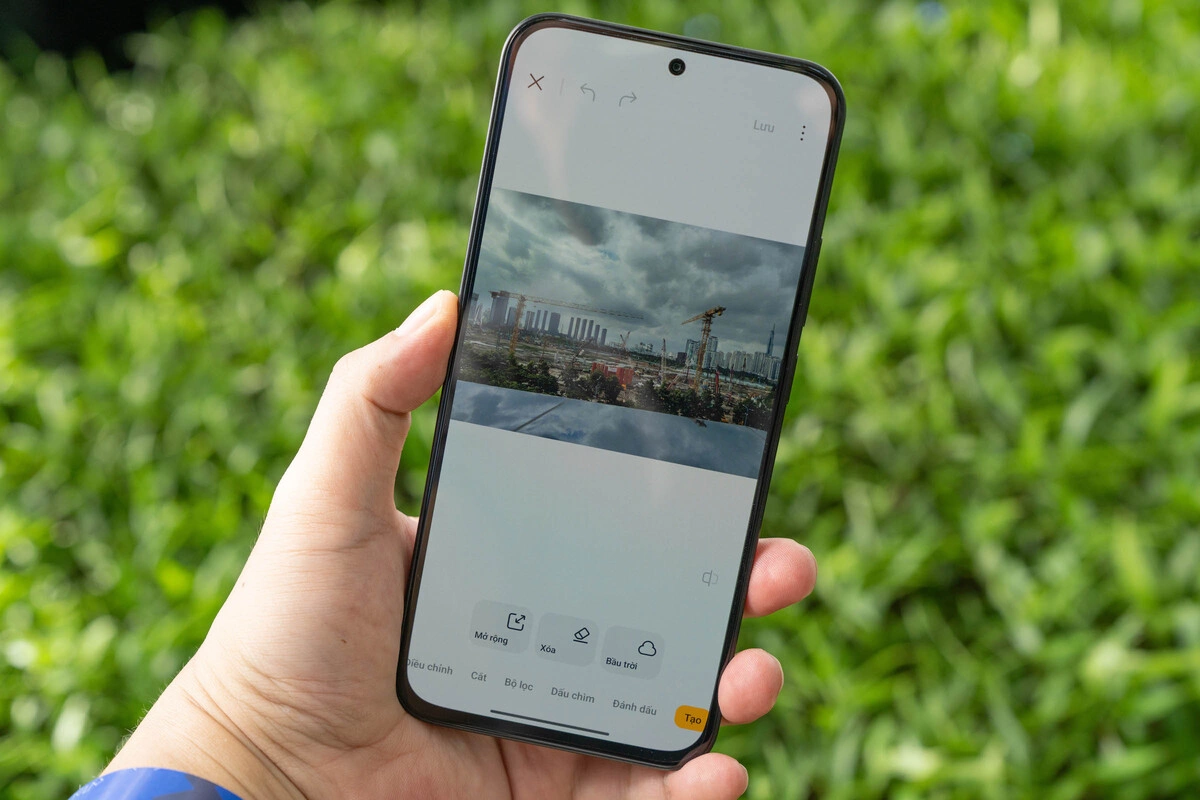
Regarding software, the product runs the HyperOS 3 operating system. The two high-end models fully support AI features such as HyperAI, AI Creativity Assistant, Google Gemini, Circle to Search allowing quick information searching, task processing and smart photo editing right on the device.
Xiaomi said it will support security updates for up to 6 years, among the longest in the mid-range segment.
The Redmi Note 17 series also has a warranty policy with one-time battery replacement, screen damage due to liquid and rear camera protection glass or back cover for free. The warranty period for the above issues is from 2 to 5 years depending on the version.
Regarding software, the product runs the HyperOS 3 operating system. The two high-end models fully support AI features such as HyperAI, AI Creativity Assistant, Google Gemini, Circle to Search allowing quick information searching, task processing and smart photo editing right on the device.
Xiaomi said it will support security updates for up to 6 years, among the longest in the mid-range segment.
The Redmi Note 17 series also has a warranty policy with one-time battery replacement, screen damage due to liquid and rear camera protection glass or back cover for free. The warranty period for the above issues is from 2 to 5 years depending on the version.
Huy Duc