4-legged wolf robot for riders
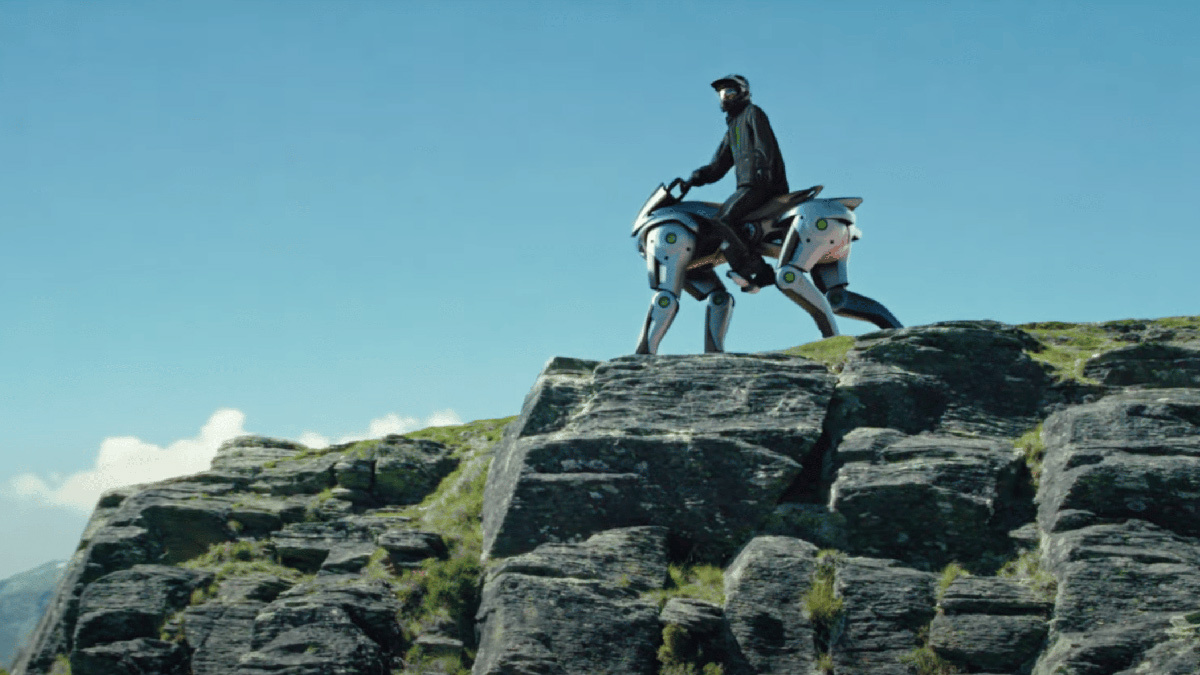
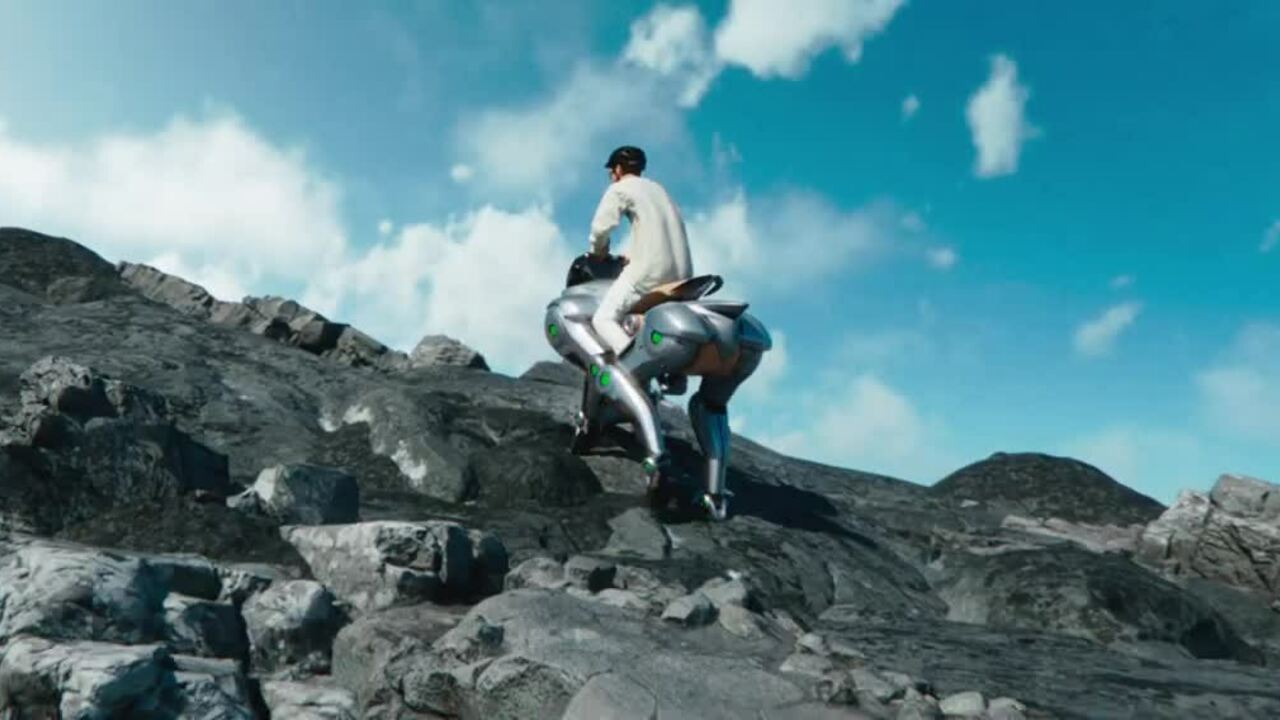
Kawasaki, a multinational corporation from Japan, revealed a prototype of a four-legged hydrogen-powered robot designed for riders, Interesting Engineering reported on April 6. Named Corleo, this robot was introduced at an introductory event of the Osaka-Kansai Expo 2025.
Corleo is inspired by wolves, has 4 legs to move on uneven terrain. This robot is introduced as an alternative to motorbikes on all terrains. The driver will control the robot like riding a horse. According to Kawasaki, this vehicle is easy to use even for beginners, providing mobility and stability, allowing riders to easily cross mountainous areas.
Equipped with a hydrogen fuel cell and a 150 cc engine, the Corleo reflects the trend of Japanese manufacturers adopting cleaner energy solutions. Kawasaki plans to launch the robot on the market in the next 25 years, considering it a future option for exploration on all terrains.
Corleo's 4 independent robot legs operate automatically. The robot also integrates AI systems to enhance balance and navigation.
Unlike traditional vehicles, Corleo reacts to the driver's body movements. The driver's change of center of gravity will cause the robot to adjust its steps in real time. The head-up display (HUD) provides vital data, including hydrogen level, detailed navigation information, motion stability, and weight distribution.
Kawasaki expects the Corleo to eventually replace traditional off-road motorcycles. However, this corporation has not announced detailed technical specifications of the robot such as speed, operating range or battery life.
Robotics is quickly becoming one of the main focuses for Kawasaki, which is famous for building bullet trains, aircraft engines and off-road vehicles. In addition to Corleo, the group is also developing the CL line of intelligent collaborative robots with the ability to withstand extreme temperatures and handle heavy industrial materials. They are designed for tasks such as welding, machine tending and shelf loading in a variety of manufacturing environments.
Kawasaki is expanding into the education sector with the launch of Astorino - a robot designed to teach robotics and manufacturing skills in the classroom. Astorino aims to bridge the gap between theoretical knowledge and practical experience, providing students with an interactive learning tool.
Thu Thao (According to Interesting Engineering)