Does fast charging really damage the battery faster?
(Dan Tri) - Many phones and electric cars today can charge very quickly. However, this also raises concerns about whether fast charging will cause the battery to degrade faster than regular charging.
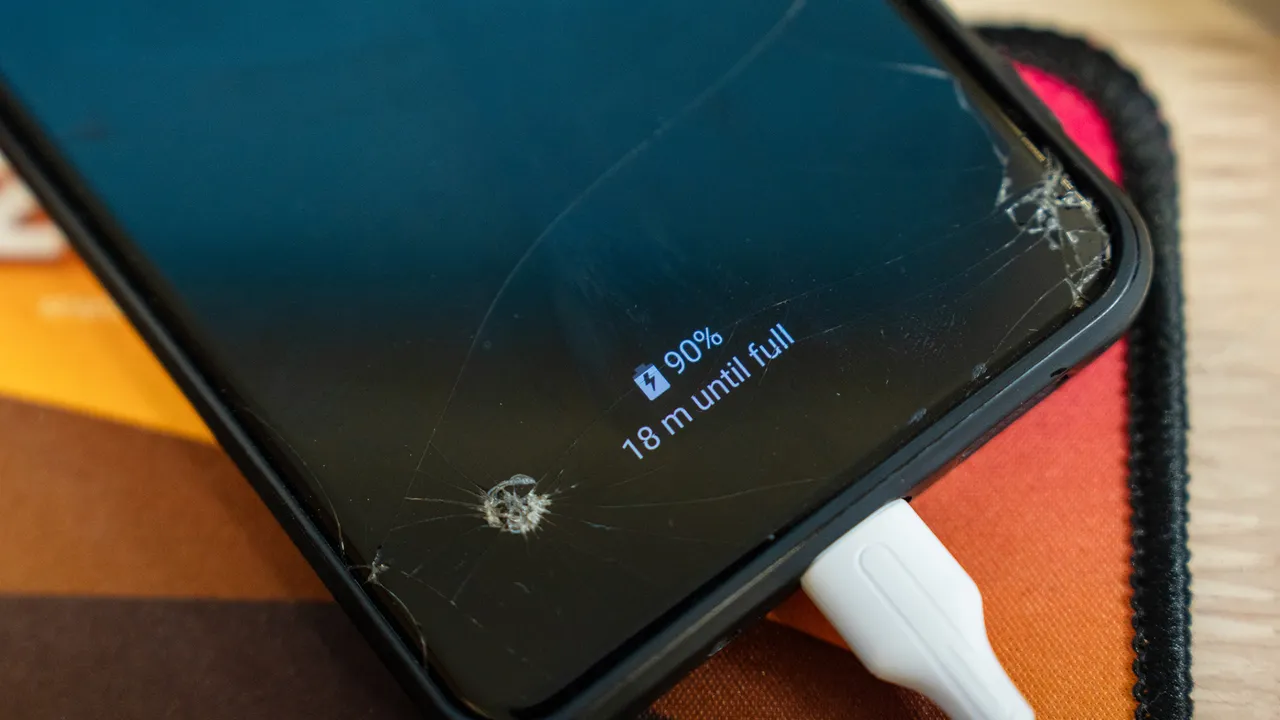
Fast charging technology now appears on most smartphones and many electric vehicle models. Some phones can charge from nearly empty to more than 50% in just about 30 minutes, while many electric car models can add hundreds of kilometers of range after a quick charge.
However, the battery cannot maintain its original capacity forever and will gradually degrade over time. This raises the question of whether fast charging causes the battery to degrade faster.
According to scientists, the answer is yes, but the level of impact depends on the design of each type of battery. With modern batteries, many technologies have been applied to minimize the effects of fast charging.
How does fast charging work?
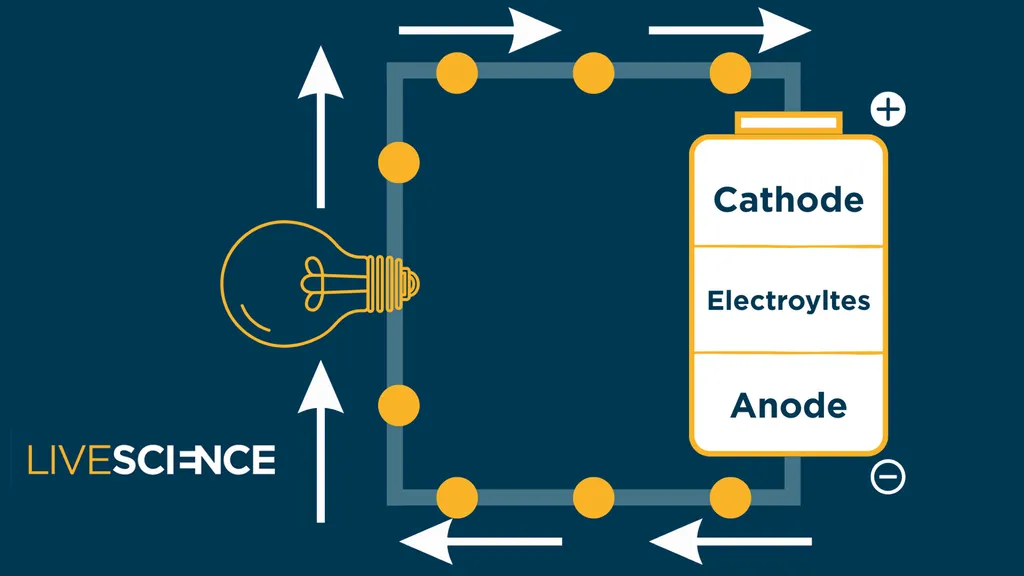
Lithium-ion batteries are currently the most popular rechargeable battery in the world. During charging, lithium ions move from the anode to the cathode to store energy. When the device is operating, this process happens in reverse.
The difference between fast charging and regular charging lies in the movement speed of lithium ions. While regular charging can take a few hours to fully top up the battery, fast charging can cut the time down to about an hour or less.
Associate Professor Chiang Zhiyuan, Department of Chemical Engineering and Technology (Xi'an Jiaotong University, China), said:
"Conventional charging uses lower current, allowing lithium ions to slowly enter the cathode, generating less heat and putting less stress on battery materials. Meanwhile, fast charging uses higher current and power to shorten charging time."
Not all batteries are designed to withstand high charging rates. This ability depends on the manufacturing materials, internal structure as well as the battery management system.
Batteries that support fast charging often have optimized electrode materials, electrolytes and internal structures to reduce resistance, helping lithium ions move faster while still limiting heat generation.
Researcher Stanislaw Zankowski (Oxford University, UK) compares this process to traffic in a city.
"We can imagine lithium ions as traffic flow. Fast charging is how to make that flow happen faster without causing congestion."
Why can fast charging cause battery degradation?
All lithium-ion batteries will lose capacity over time, even when used properly. However, fast charging can promote some chemical processes that cause aging to occur faster.
One of the notable phenomena is lithium plating. When charging too fast, part of the lithium ions do not have time to enter the cathode and instead deposit into metallic lithium layers on the electrode surface.
These metal layers reduce the amount of lithium that can participate in energy storage, causing the battery capacity to gradually decrease. In severe cases, they can also develop into needle-like crystals (dendrite), penetrating the battery's internal barrier and increasing the risk of short circuits.
Fast charging also generates more heat due to resistance inside the battery. The faster the battery is charged, the more heat it generates.
According to Zankowski, with small batteries like those on phones, the amount of heat generated is usually negligible. However, with large capacity battery packs such as those found in electric vehicles, the high current during fast charging generates a much larger amount of heat, so the charging speed must be controlled to ensure safety.
High temperatures speed up chemical reactions inside the battery, causing electrode materials to degrade faster. In severe cases, the battery can swell, burn or explode due to thermal runaway.
Therefore, users should follow the manufacturer's instructions when charging devices that use batteries or batteries.

Currently, most smartphones, laptops and electric vehicles are equipped with battery management systems (BMS), which continuously monitor voltage, current and temperature during the charging process.
That's also why phones will sometimes display a warning when the temperature is too high or automatically reduce charging speed to protect the battery.
What to do to extend battery life?
Both Zankowski and Chiang Chi Vien believe that temperature is a factor that greatly affects battery life.
Users should avoid charging the device in extremely hot environments, such as in a car parked in the sun or in direct sunlight. Temperatures that are too low are also not beneficial because they reduce the mobility of lithium ions.
"The ideal temperature for charging the battery is about 20-25 degrees Celsius, equivalent to the temperature that humans feel comfortable with," Zankowski said.
Experts also recommend that you should not frequently leave your laptop plugged in to charge continuously for long periods of time.
According to Tuong Chi Vien, users should apply the principle of "shallow charge, shallow discharge", which means maintaining the battery level between 20-80% for daily use, instead of always charging 100% or letting the battery run out. This can contribute to longer battery life during long-term use.