Sam Altman: Four years of college 'too long'
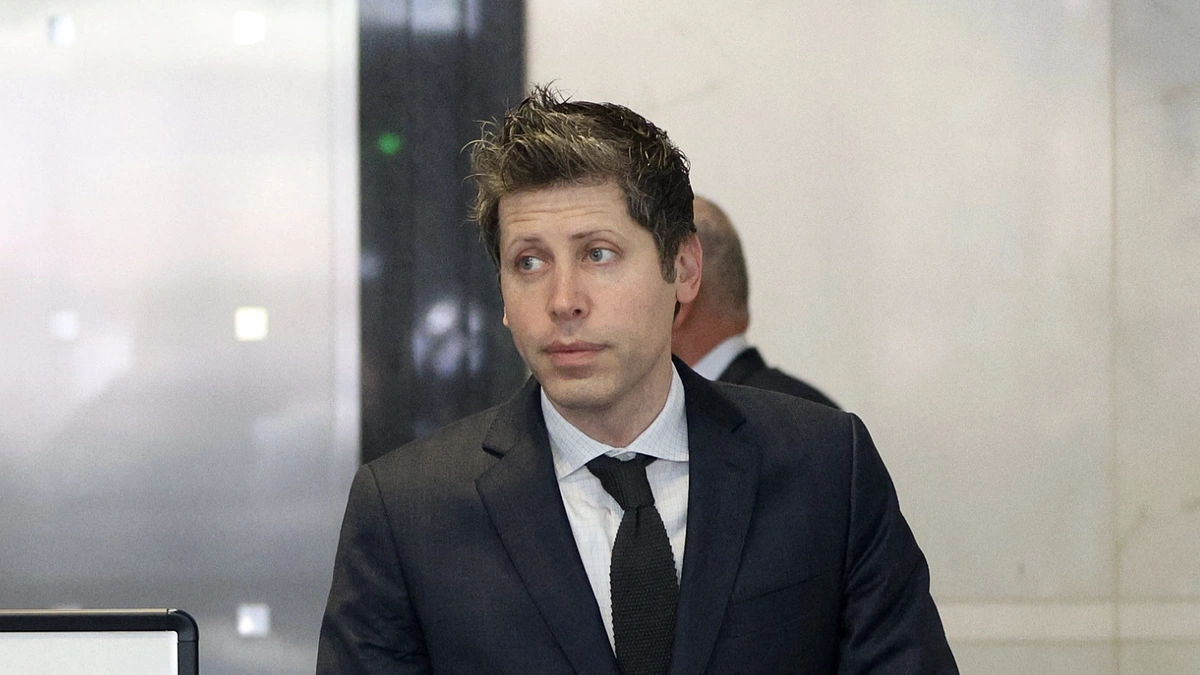
"I think I've learned a lot, but with the way the world is today, maybe college shouldn't last so long," Altman said at Internapalooza, a networking conference for technology interns organized by investor Cory Levy in the US last weekend.
According to the head of OpenAI, a four-year university experience may no longer be necessary in the current context. "However, meeting people, living independently and working in groups is still great," he continued.
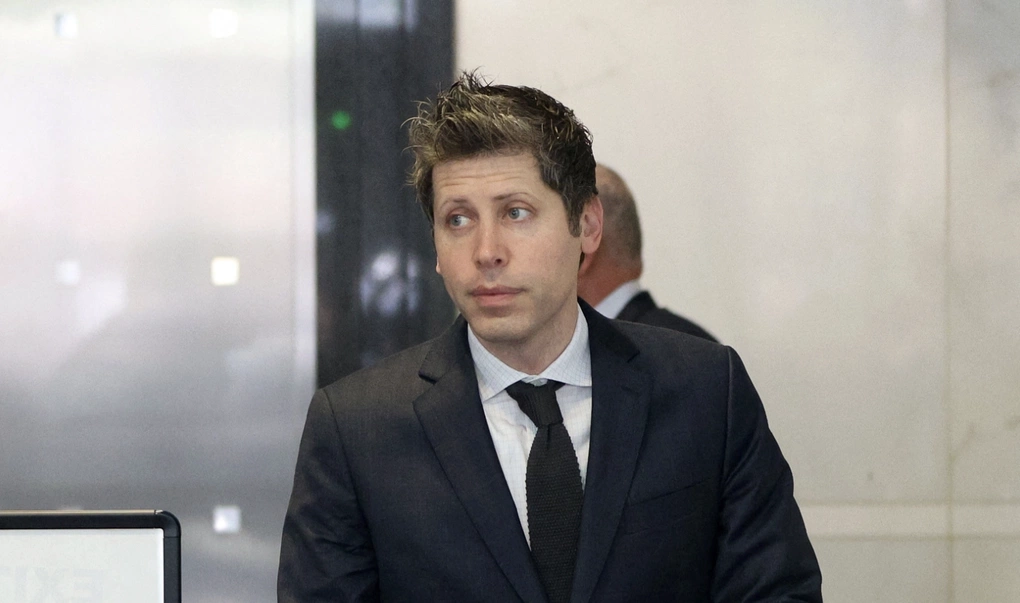
Altman is one of the famous technology CEOs who dropped out of college midway. In 2005, while studying at Stanford University for about two years, he took a break to co-found Loopt, an application that allows users to share locations with friends. Loopt was then selected by the famous startup incubator Y Combinator, paving the way for his promotion there, which included a stint as president from 2014-2019.
"Learning two more years is not better," Altman explained the reason for leaving school early. "I'm happy with the decision. I know a lot of people who haven't gone to college and are still successful."
According to Business Insider, Altman's views are quite similar to some technology billionaires. Famous investor and co-founder of PayPal Peter Thiel even supported by awarding scholarships of $250,000 over two years to young people with the condition that the recipient must take a break or pause college to focus on building projects, scientific research or starting a business.
Altman's advice comes amid a changing labor market, with AI capable of performing more and more tasks once performed by humans. According to Reuters, technology companies are using AI in programming, data analysis, content design and customer support, making some skills able to be trained in less time.
However, according to experts, shortening the university time does not mean reducing the role of university education. Many professions such as medicine, engineering, law or basic sciences still require extensive training and practice. University also provides an environment for research, teamwork and the development of skills that go beyond a specific job position.
Altman repeatedly mentioned the impact of AI on education and employment. He argues that workers must adapt to the pace of technological change, where the ability to use AI may become a common skill rather than a unique advantage for the tech workforce.
At the event, he advised students, new workers and young entrepreneurs "not to try to be taken seriously by others". He considered this a "waste" of time.
"I think people put too much emphasis on being valued by others, when in fact they can get far in life and career by working hard," Altman said. “You could build a startup in a room with a bunch of AI tokens and nothing more.”
The OpenAI CEO also added that focusing on just one project is "bad advice." According to him, working on multiple projects at the same time is "fine" because one really doesn't know which project will be successful. "You don't really know what you're going to be interested in, you don't really know what project is going to be a good fit," Altman said.