Sam Altman: OpenAI will build humanoid robots

"We will definitely build humanoid robots, and we will also build robots that have different shapes than what is commonly seen," Altman revealed in the Sources podcast broadcast on September 2.
According to him, choosing the robot shape is not so that they look more human, but because the real world is built based on the human body. For example, door handles, stairs, keyboards, kitchens, cars... all revolve around the human center, in terms of both size and mode of operation. Therefore, instead of having to change the entire physical environment, it is more reasonable to equip the robot with a body structure similar to a human's.
"The world is largely designed for humans. Humanoid structures make it easy to adapt to the existing world," Altman said.
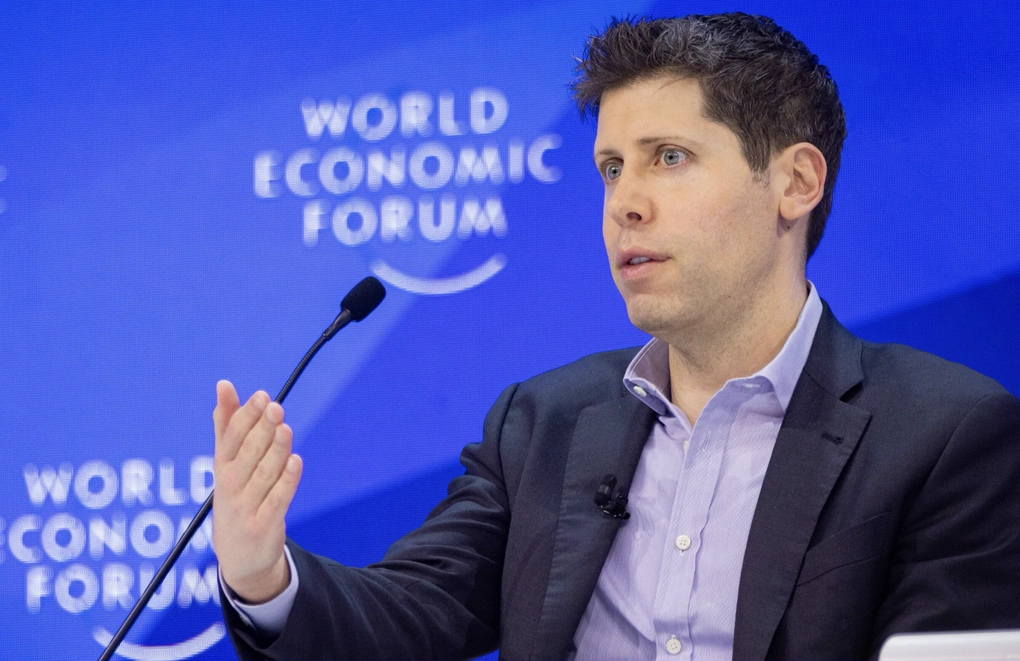
However, Altman said humanoid robots supporting families are not a top priority for OpenAI. In the short term, the company focuses on developing machines for applications in industrial infrastructure, especially robots that support skilled workers in building and operating data centers.
"In that case, the robot doesn't necessarily have a humanoid shape. What's really important is finding a way to create a 'brain' that helps the robot function," Altman said. "We will develop specialized robots, suitable for data centers with different body structures depending on the specific task."
According to 36kr, the new statement shows that OpenAI will not stop at developing leading AI models or investing in a number of robot companies as currently. However, the company's product manufacturing roadmap is currently unclear.
In fact, OpenAI has been "paying attention" to the robotics field since 2017, two years after its founding. According to the New York Times, the company was then researching ways to allow robots to transfer skills learned in virtual environments to the real world. In 2018, the company's Dactyl robot hand could move smoothly, and a year later it could rotate a Rubik's cube on its own. However, in 2020, OpenAI suspended the robot research group's activities due to insufficient training data.
Recently, OpenAI has invested a lot in robot startups. In 2023, the company leads a $23.5 million capital round for startup 1X. A year later, they participated in a $675 million funding round in Figure AI with a cooperation agreement, but then ended.
OpenAI is currently recruiting engineers in many fields for its robotics ambitions, including robotics software, electrical engineering and product safety. These positions are specialized in circuit design, PCB, sensors, embedded systems, robot control, data collection, error handling and mass production preparation. Some robotics positions have annual salaries of up to $445,000, not including stocks.
"OpenAI not only wants to create a multi-purpose AI model connected to robots, but also a complete robot system including model, software and hardware," CNBC commented.
OpenAI has not yet participated too deeply in the hardware field, other than accessories sold in July. TechCrunch quoted some previous sources saying that the company is planning to launch a number of artificial intelligence-enabled devices. One of them has a design similar to AI Pin, but is compact and sophisticated like the iPod Shuffle music player. The company is also said to be collaborating with Qualcomm and MediaTek to develop phones that operate via AI agents, as well as screenless smart speakers.