Sony launches Xperia 1 VIII, priced at 39 million VND

Sony launches Xperia 1 VIII, priced at 39 million VND
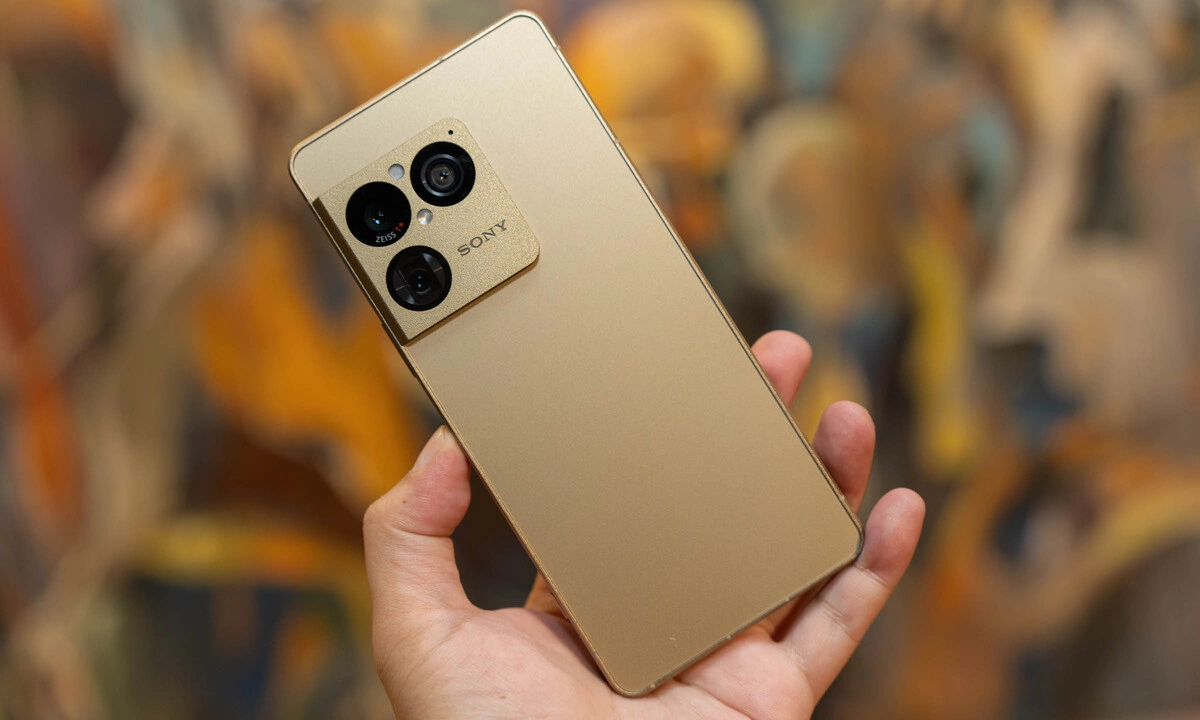
Sony started selling its most high-end smartphone model in Vietnam, Xperia 1 VIII, for 39 million VND, 5 million VND higher than the previous generation. This increase is not considered much compared to some other high-end phones launched recently, due to the impact of the memory chip crisis.
Sony is no longer focusing on the smartphone business and its new products are mainly for people who love its phones. Therefore, the company does not put too much emphasis on sales and competition with competitors in the high-end segment.
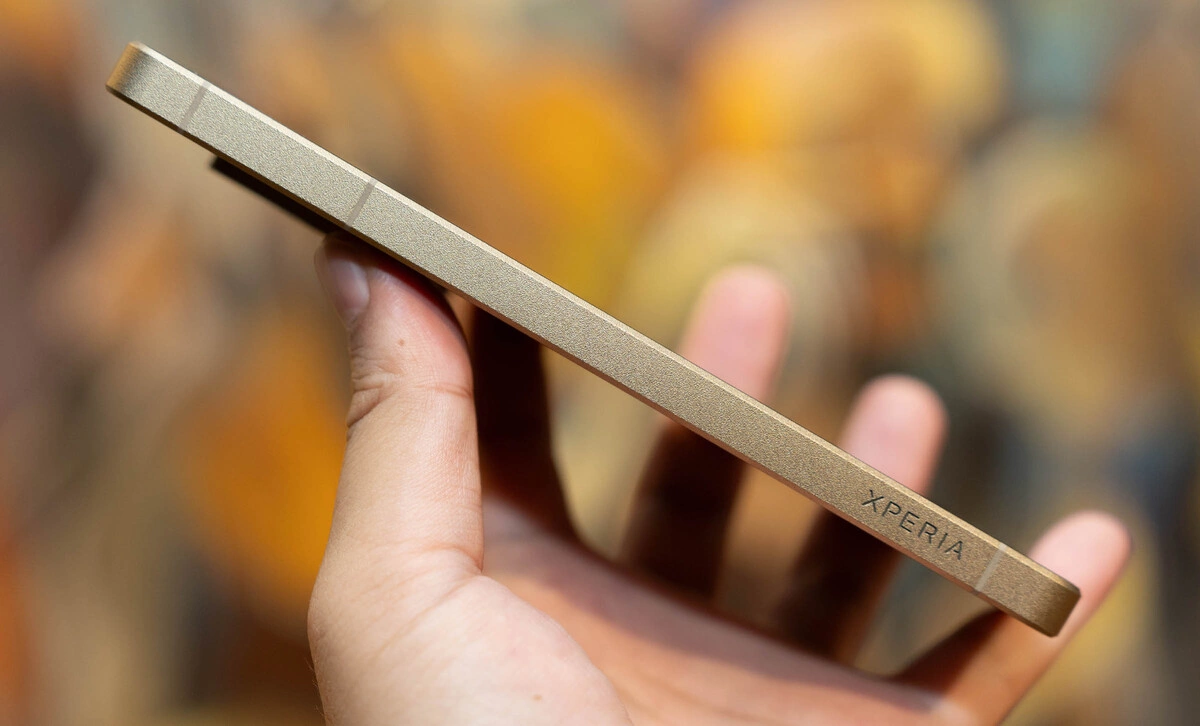
In terms of design, the Xperia 1 VIII still retains its characteristic angular shape, but is much improved, such as the square camera cluster instead of the previous vertical tablet shape. The body and back are roughened for a firmer grip. Sony calls this Ore design language, inspired by the natural rough surface of stone.
Sony started selling its most high-end smartphone model in Vietnam, Xperia 1 VIII, for 39 million VND, 5 million VND higher than the previous generation. This increase is not considered much compared to some other high-end phones launched recently, due to the impact of the memory chip crisis.
Sony is no longer focusing on the smartphone business and its new products are mainly for people who love its phones. Therefore, the company does not put too much emphasis on sales and competition with competitors in the high-end segment.
In terms of design, the Xperia 1 VIII still retains its characteristic angular shape, but is much improved, such as the square camera cluster instead of the previous vertical tablet shape. The body and back are roughened for a firmer grip. Sony calls this Ore design language, inspired by the natural rough surface of stone.

The device still retains the screen style with two thick borders at the top and bottom. In particular, the top bezel contains the front camera and sensors. This design does not create a beautiful edge-to-edge feeling, but helps keep the display from being cut out due to holes, providing a good experience when watching videos or playing games.
Similar to the previous generation, the device uses a 6.5-inch panel with Full HD + resolution, 120 Hz scanning frequency. The screen supports Bravia display technology, Sunlight Vision, 10-bit color tones and 100% DCI-P3 color coverage.
The device still retains the screen style with two thick borders at the top and bottom. In particular, the top bezel contains the front camera and sensors. This design does not create a beautiful edge-to-edge feeling, but helps keep the display from being cut out due to holes, providing a good experience when watching videos or playing games.
Similar to the previous generation, the device uses a 6.5-inch panel with Full HD + resolution, 120 Hz scanning frequency. The screen supports Bravia display technology, Sunlight Vision, 10-bit color tones and 100% DCI-P3 color coverage.
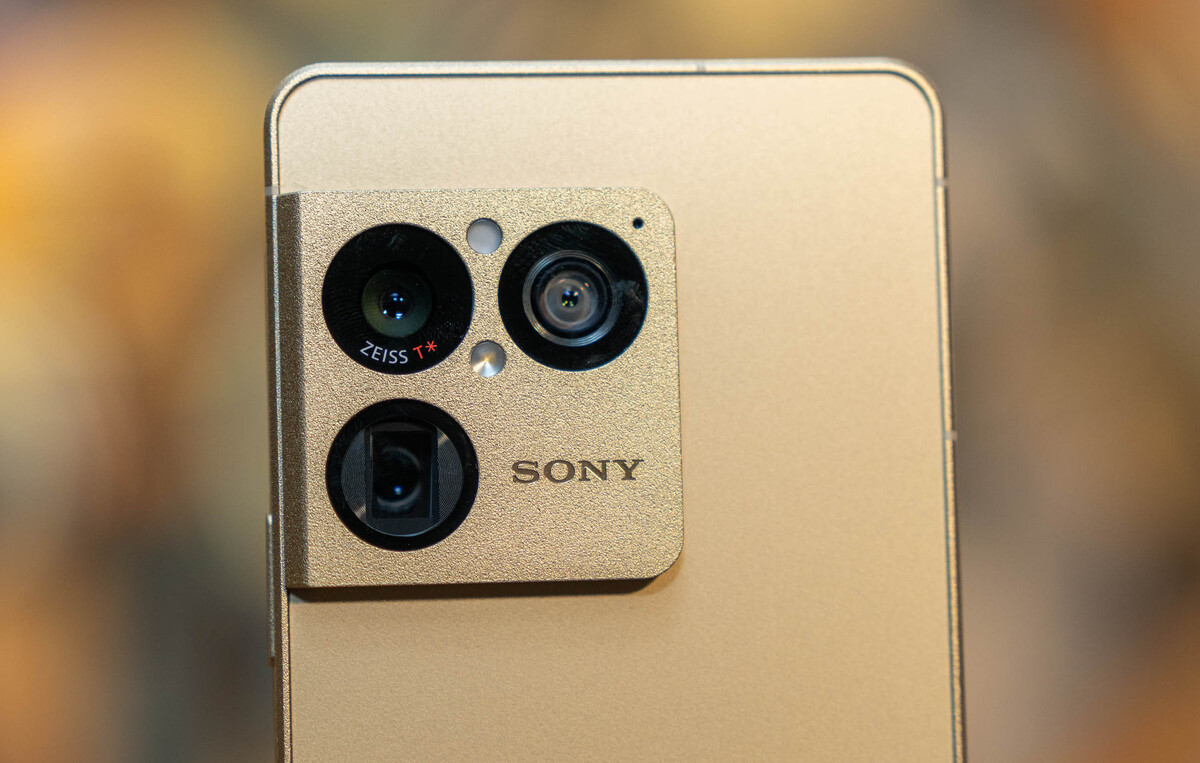
On the three rear camera system, the prominent upgrade is the telephoto lens. Sony replaced the continuous optical zoom lens on the previous generation with a 70 mm fixed focal length lens. The company also upgraded the telephoto camera's 48-megapixel sensor to 1/1.56 inch in size, nearly four times larger than on the Xperia 1 VII. With a large sensor, the camera's low-light shooting ability is significantly better, and also allows cropping images down to 12 megapixels to increase zoom efficiency, instead of changing the focal length of the previous generation.
The remaining two cameras remain the same, with the main camera using a 48 mepixel sensor, 1/1.35 inch size, 24 mm focal length, f/1.9 aperture, supporting OIS optical image stabilization. 48 megapixel ultra wide-angle camera, 1/1.56 inch size, 16 mm focal length, f/2.0 aperture and 12 MP selfie camera.
On the three rear camera system, the prominent upgrade is the telephoto lens. Sony replaced the continuous optical zoom lens on the previous generation with a 70 mm fixed focal length lens. The company also upgraded the telephoto camera's 48-megapixel sensor to 1/1.56 inch in size, nearly four times larger than on the Xperia 1 VII. With a large sensor, the camera's low-light shooting ability is significantly better, and also allows cropping images down to 12 megapixels to increase zoom efficiency, instead of changing the focal length of the previous generation.
The remaining two cameras remain the same, with the main camera using a 48 mepixel sensor, 1/1.35 inch size, 24 mm focal length, f/1.9 aperture, supporting OIS optical image stabilization. 48 megapixel ultra wide-angle camera, 1/1.56 inch size, 16 mm focal length, f/2.0 aperture and 12 MP selfie camera.
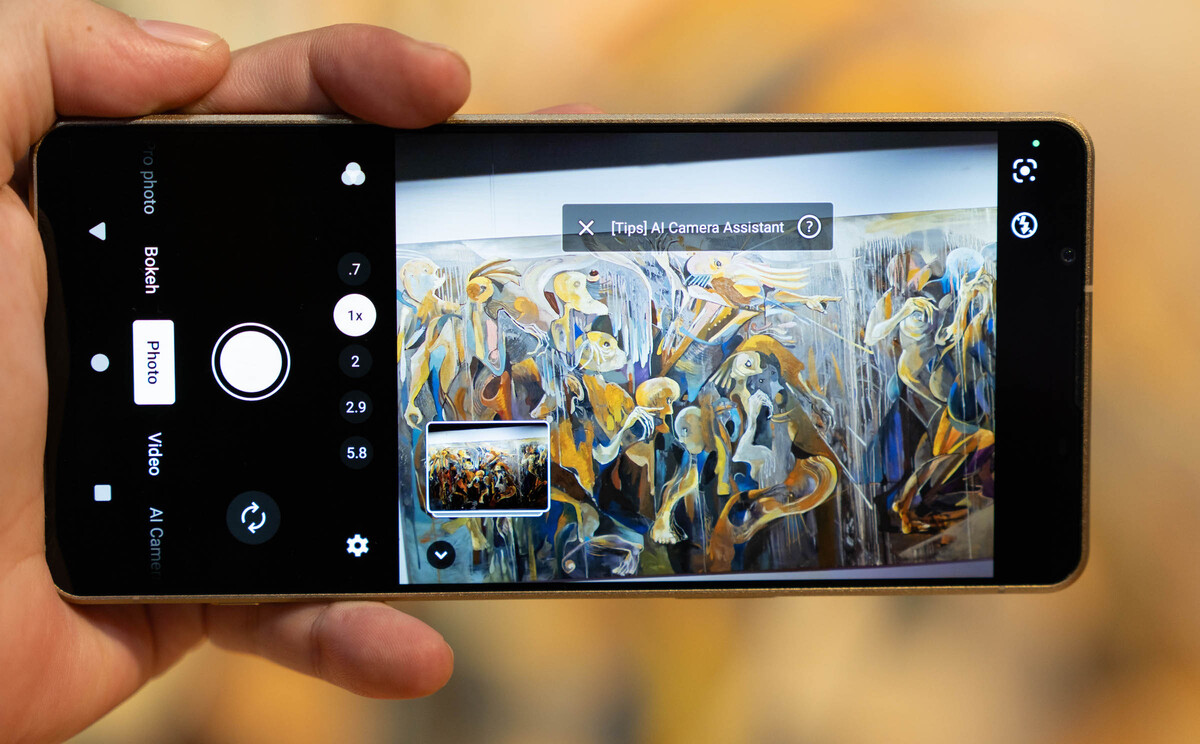
The camera's photo processing ability is better than before thanks to RAW multi-frame technology. Images have true colors and reduced noise when shooting in low light. This is inherently a weakness of Sony smartphones compared to competitors, despite having very good camera hardware.
In addition to the AI feature inherited from the Alpha camera line, Xperia Intelligence on Xperia 1 VIII is equipped with an AI camera assistant with the ability to analyze context, subject, light... and give 4 suggestions with unique combinations of color, exposure, bokeh effect and lens to the user.
The camera's photo processing ability is better than before thanks to RAW multi-frame technology. Images have true colors and reduced noise when shooting in low light. This is inherently a weakness of Sony smartphones compared to competitors, despite having very good camera hardware.
In addition to the AI feature inherited from the Alpha camera line, Xperia Intelligence on Xperia 1 VIII is equipped with an AI camera assistant with the ability to analyze context, subject, light... and give 4 suggestions with unique combinations of color, exposure, bokeh effect and lens to the user.
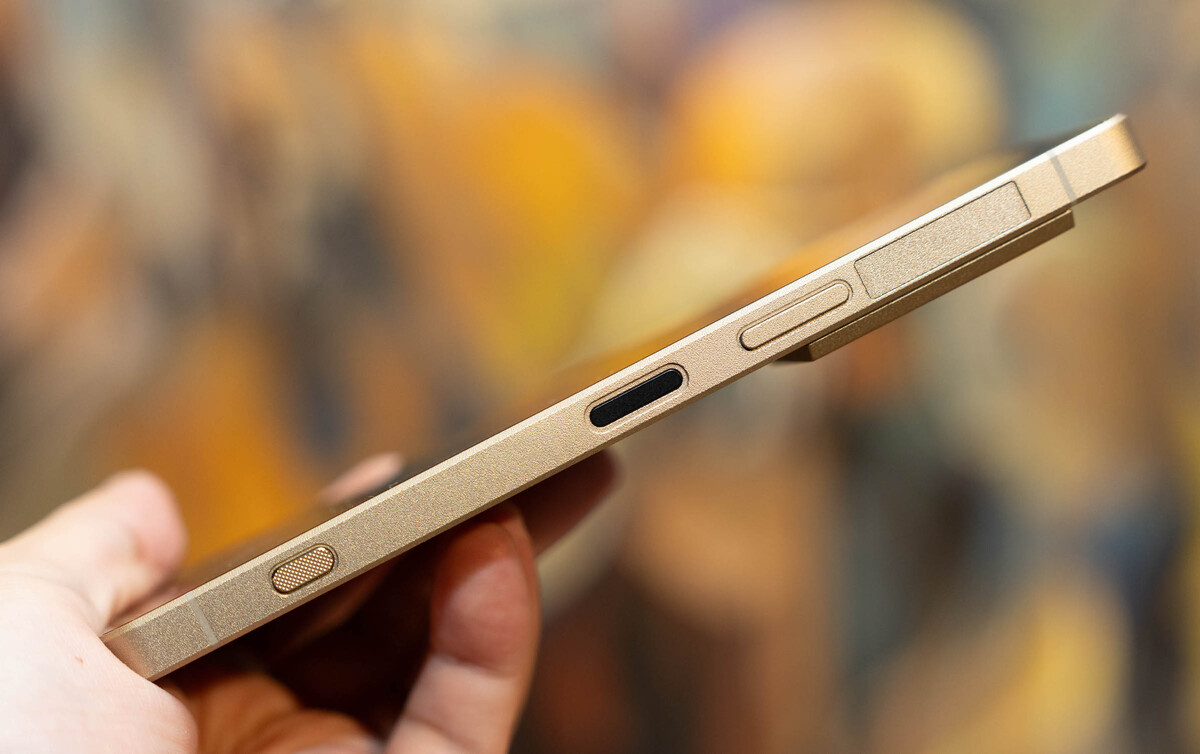
The device's button system has not changed, with a dedicated button for taking photos, a power button with an integrated fingerprint sensor and a volume button. The buttons all have good finishing quality.
The camera key is still only physical, does not support touch and many features like competitors.
The device's button system has not changed, with a dedicated button for taking photos, a power button with an integrated fingerprint sensor and a volume button. The buttons all have good finishing quality.
The camera key is still only physical, does not support touch and many features like competitors.
Xperia 1 VIII is equipped with Snapdragon 8 Elite Gen 5 processor, vapor chamber cooling system, 12 GB RAM and 256 GB internal memory. According to Sony, the chip has about 20% faster CPU performance, 23% more powerful GPU and is more energy efficient than the previous generation.
The device runs Android 16 with a simple interface. Users only get basic AI features from Google like circle search and Gemini.
Xperia 1 VIII is equipped with Snapdragon 8 Elite Gen 5 processor, vapor chamber cooling system, 12 GB RAM and 256 GB internal memory. According to Sony, the chip has about 20% faster CPU performance, 23% more powerful GPU and is more energy efficient than the previous generation.
The device runs Android 16 with a simple interface. Users only get basic AI features from Google like circle search and Gemini.
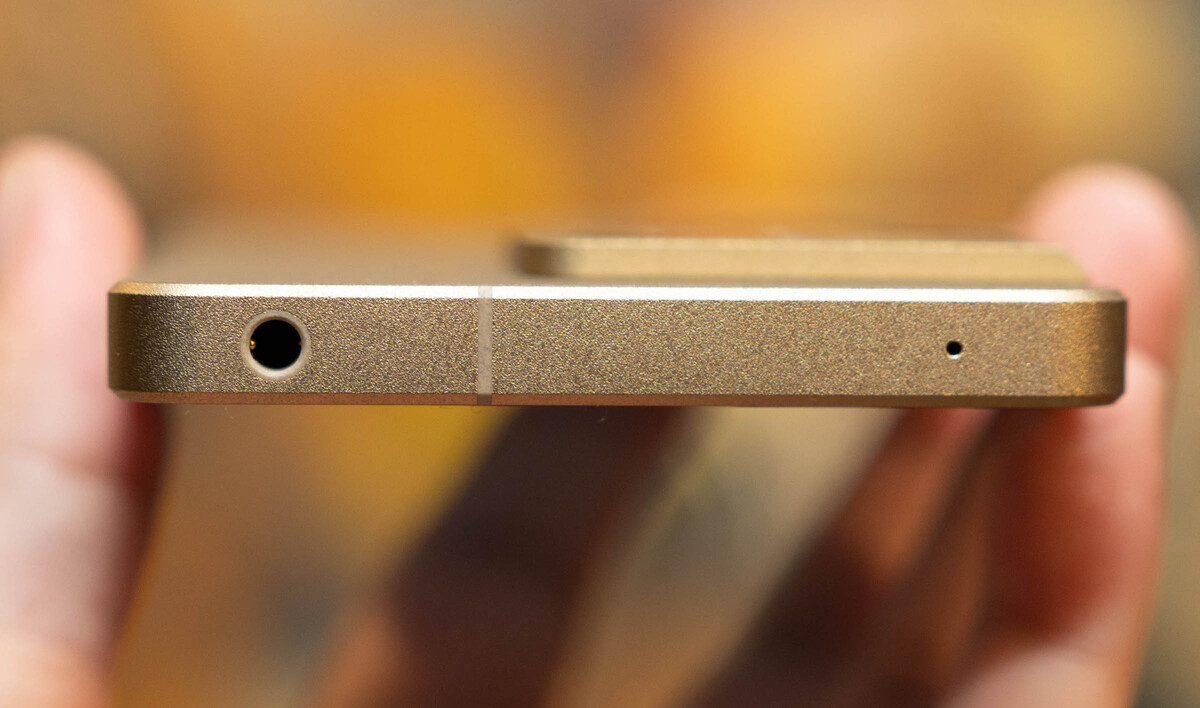
Sony is also the only company currently equipped with a 3.5 mm jack for high-end smartphones. According to the company, experiencing sound with a wired connection always provides better quality than wireless. The device still has IP68 water resistance.
Sony is also the only company currently equipped with a 3.5 mm jack for high-end smartphones. According to the company, experiencing sound with a wired connection always provides better quality than wireless. The device still has IP68 water resistance.
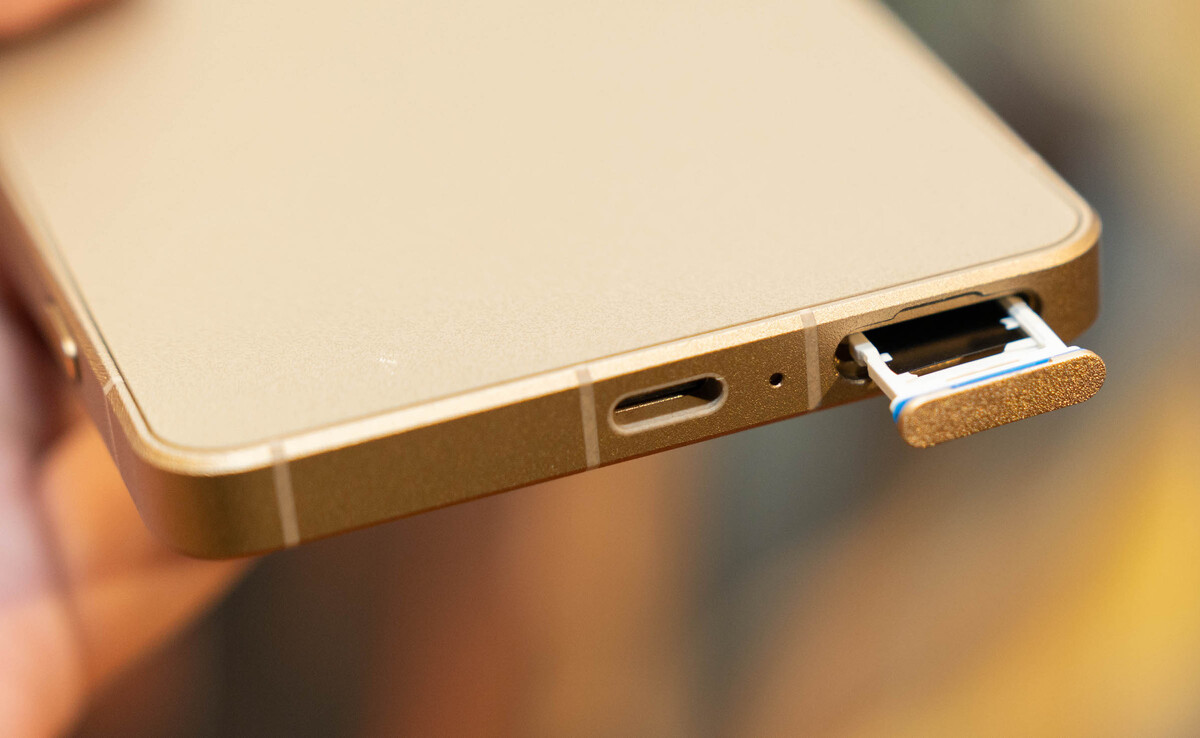
The phone uses a 5,000 mAh battery, supports 30 W wired fast charging and 15 W wireless charging. Sony is considered conservative as it still uses a sim tray that can be pulled out with a fingernail and has an additional memory card tray. This is convenient for replacing SIM cards, as well as increasing storage capacity without spending much money. However, users need to be careful to completely seal it to ensure the product's water resistance.
The phone uses a 5,000 mAh battery, supports 30 W wired fast charging and 15 W wireless charging. Sony is considered conservative as it still uses a sim tray that can be pulled out with a fingernail and has an additional memory card tray. This is convenient for replacing SIM cards, as well as increasing storage capacity without spending much money. However, users need to be careful to completely seal it to ensure the product's water resistance.
Huy Duc