SpaceX - From warehouse startup to trillion USD capitalization
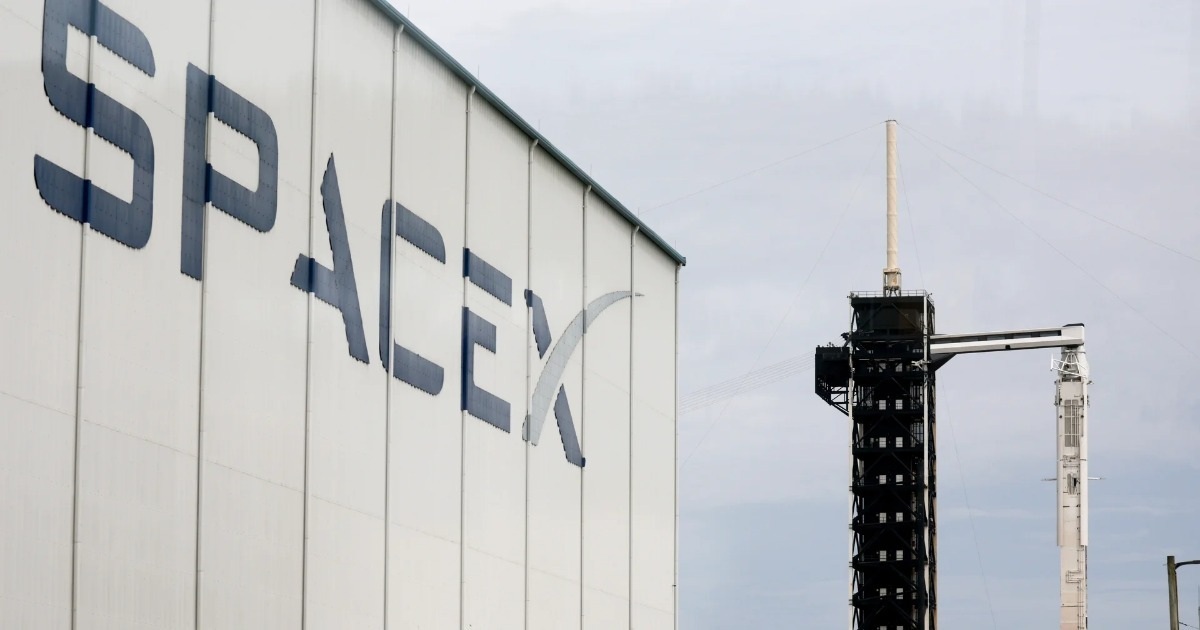

(Dan Tri) - In the early days of its establishment, Elon Musk and SpaceX employees had to work in a warehouse. Now, SpaceX is preparing to become a company with a market capitalization of up to 1.7 trillion USD.

SpaceX was founded by Elon Musk on March 14, 2002 in El Segundo city (California, USA). Unlike many other technology companies, SpaceX has no co-founder other than Elon Musk.
However, right from the early stages of its establishment, Elon Musk recruited famous engineers such as Tom Mueller, rocket engine expert, one of the most important figures at SpaceX in the early days; Hans Koenigsmann, an aerospace engineer who played a key role in developing the company's first rocket systems; Gwynne Shotwell, later became President and Chief Operating Officer of SpaceX…
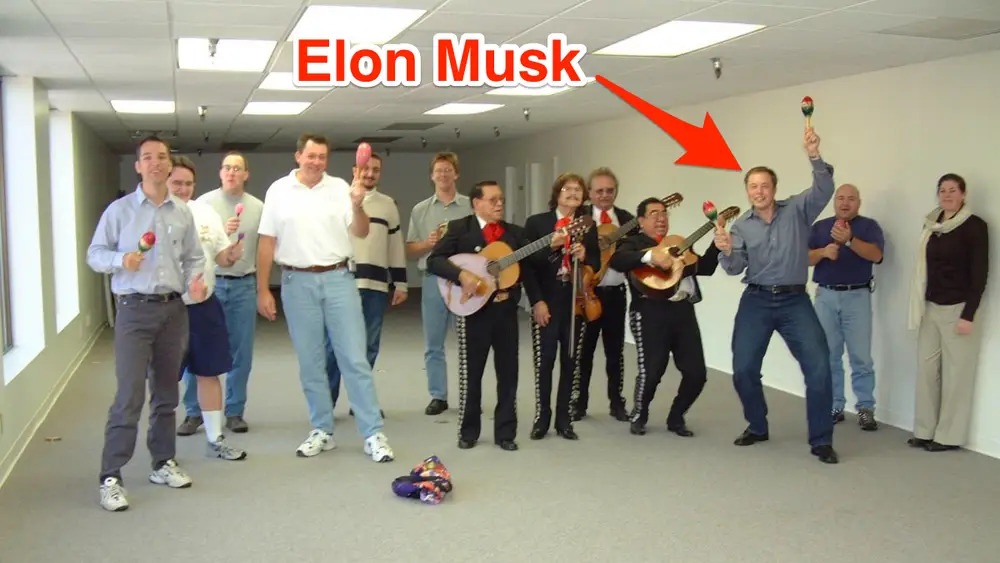
The birth of SpaceX started from a bold idea of Elon Musk, which was to bring a small greenhouse containing plants to Mars to arouse public interest in space exploration. Initially, Elon Musk sought to buy Russian boosters to implement this idea, but he realized the price of the rocket was too expensive.
Since then, Elon Musk has said that the reason humans have not yet set foot on Mars is not because of technological limitations, but because the cost of launching rockets is too expensive, of which most of the cost lies in the fact that boosters can only be used once and then discarded.
Therefore, Elon Musk decided to establish SpaceX to develop reusable rockets, save costs of launching spacecraft into space and especially bring people to Mars and other planets outside Earth.
In the early days of establishment, to save costs, Elon Musk rented a small industrial warehouse in El Segundo city for office space. Here, SpaceX's engineering team began designing and manufacturing the company's first rocket model, called Falcon 1.
The entire cost of operating SpaceX and developing Falcon 1 comes from Elon Musk's personal money, because at this time SpaceX is still too young and has not made any mark to call for funding.
During the period from 2006 to 2008, SpaceX tested launching the Falcon 1 rocket three times, but all failed, leaving the company on the brink of bankruptcy.
SpaceX's turning point occurred on September 28, 2008, when Falcon 1 was successfully launched into orbit on its fourth attempt. Just three months later, NASA awarded SpaceX a $1.6 billion contract to carry out at least 12 cargo flights to the International Space Station (ISS).
This amount of money has helped SpaceX have more investment funds to develop the larger and more powerful Falcon 9 rocket, replacing Falcon 1.
On June 4, 2010, the Falcon 9 booster successfully launched on its first try, bringing a test model of the Dragon spacecraft into orbit. After the first test, Falcon 9 continued to launch successfully a second time in December 2010.
In 2012, Dragon became the first commercial spacecraft to successfully deliver cargo to the ISS. This is considered an important turning point, helping SpaceX prove its ability to serve NASA in space exploration projects, while also showing that SpaceX is no longer a risky startup. This helps SpaceX mobilize capital from investors and sign many valuable contracts with NASA.
Also in 2012, SpaceX began a project to develop reusable booster rockets.
After 3 years of development and many failed tests, on December 21, 2015, the booster stage of the Falcon 9 rocket successfully landed on a landing site after putting the satellite into orbit. This is the first time in history that an orbital rocket successfully landed after a launch mission.
Reusing booster rockets is considered a breakthrough in the aerospace industry, helping to reduce the cost of launching rockets into orbit.
In May 2020, SpaceX made history when it brought two NASA astronauts Doug Hurley and Bob Behnken to the ISS using the Crew Dragon spacecraft. This helps SpaceX become the first private company to put astronauts into orbit and restore manned spacecraft launch operations from US territory.
After successful projects such as reusable booster rockets, the Starlink satellite Internet system and the merger with artificial intelligence company xAI (founded by Elon Musk), SpaceX is ready for a public stock offering on June 12.
After listing on the stock exchange, SpaceX is expected to raise capital of 75 billion USD, becoming the largest stock issuance deal in history. SpaceX's market capitalization is also estimated at 1.75 trillion USD.

Elon Musk will become the first person in history to own a trillion-dollar fortune (Illustration: TT).
SpaceX's stock price on the first day of listing is expected to be at 135 USD, possibly even up to 150 USD. Elon Musk holds a 42% stake in SpaceX, so his wealth is expected to increase sharply after SpaceX issues shares, helping this billionaire become the first person in history to own assets exceeding the trillion USD mark.
Currently, Elon Musk is still the richest person in the world with an estimated fortune of 716 billion USD.