Startup develops drone to remove clouds from solar farms
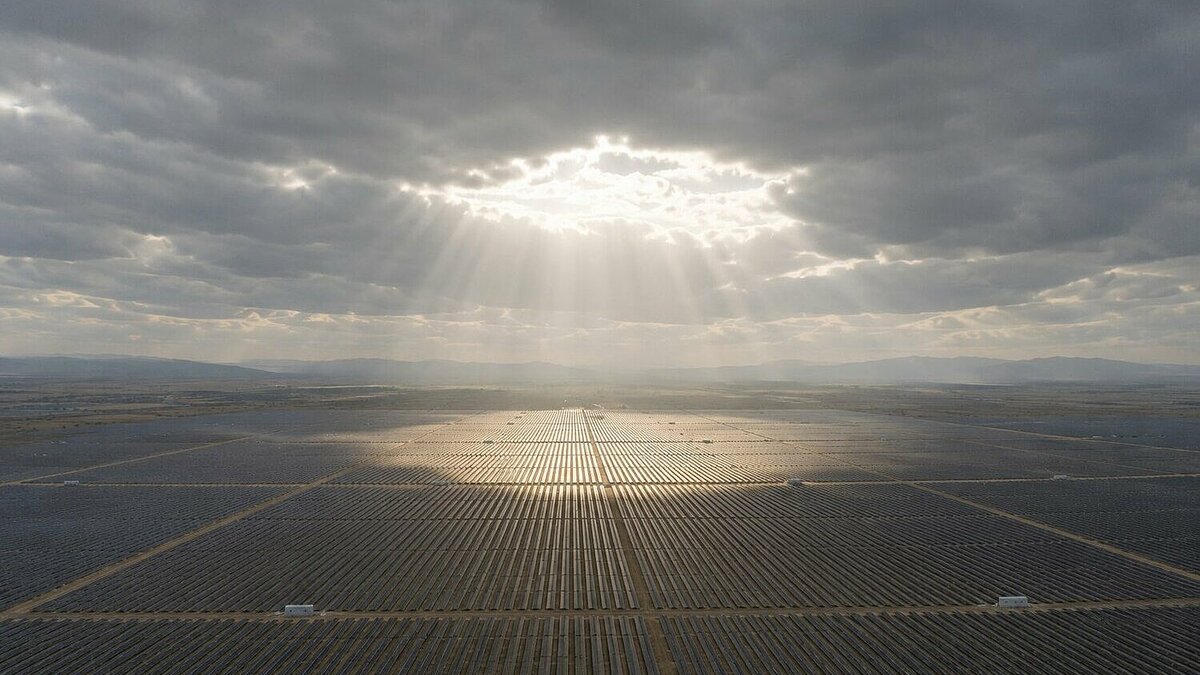
"Low and mid-level cloud cover reduces the amount of sunlight by 73-82%. We can fix that without building new infrastructure," said engineer Mete Karslioglu from Cambridge University (UK), co-founder and CEO of Meteoric.
According to Karslioglu, fleets of dozens or hundreds of automated drones will fly into the clouds at an altitude of about 1-5 km above the solar farm, affecting the water droplets inside without using any chemicals. This reduces their reflectivity, increasing the amount of light reaching the panels below. Startup Meteoric's model estimates that this method can increase annual electricity output by 10-30% with current infrastructure in major US grid areas, worth about 5,000-28,000 USD/MW.
"Our ultimate goal is to reduce the intensity of severe storms and tornadoes," CEO Karslioglu shared.
It is unclear what method Meteoric will use to dissipate clouds, but the startup claims to have built a working prototype that can dissipate an artificial cloud by about 13% with tests in a cloud chamber.
Previously, experts have developed a number of techniques to dispel fog and low-level clouds, such as spreading solid or liquid CO2 inside, increasing the size of suspended water droplets and promoting them to fall. Another technique is mechanical mixing, for example flying a helicopter over a region of saturated air to mix with drier air, allowing water vapor to evaporate more easily.
But according to Meteoric, these methods are very expensive, the cost of operating the aircraft can be up to 2,000 USD per hour or more. Meanwhile, the company's electric drones cost only $30-60 per hour.
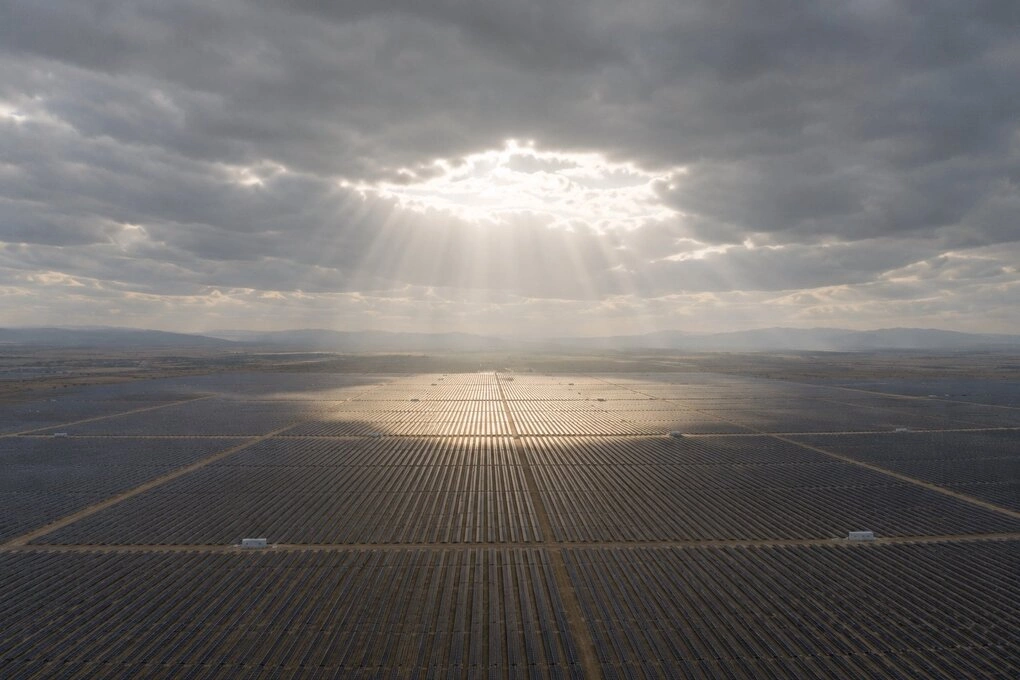
According to Tom's Hardware, this is a unique solution to one of the biggest problems of solar power - reduced output due to weather changes and day-night cycles. Many companies are also looking to solve this problem. For example, Meta wants to launch a solar-harvesting satellite into geosynchronous orbit, then shine light onto receivers on the ground.
American startup Reflect Orbital is also proposing to launch a series of satellites equipped with mirrors to reflect sunlight in many different areas, thereby extending daylight hours. According to PC Mag, on July 9, the US Federal Communications Commission (FCC) licensed this startup to launch and operate the Earendil-1 test satellite in low Earth orbit. The light reflected from the satellite is expected to cover an area about 4.8 km wide on the ground.
Meteoric's solution is considered promising when applied locally, for example deployed on solar power farms to maximize output. However, the ambition to scale up to impact storms and tornadoes raises many questions.
According to the World Meteorological Organization (WMO), the energy associated with weather systems is so great that it is impossible to change or eliminate extreme phenomena. The organization warns that "weather modification technologies that claim to achieve large-scale effects" should be viewed with caution. Some experts worry that, even on a local scale, weather modification could have undesirable consequences on local ecosystems.