
Successfully propagated 5 species of fruit forest trees in Lam Dong
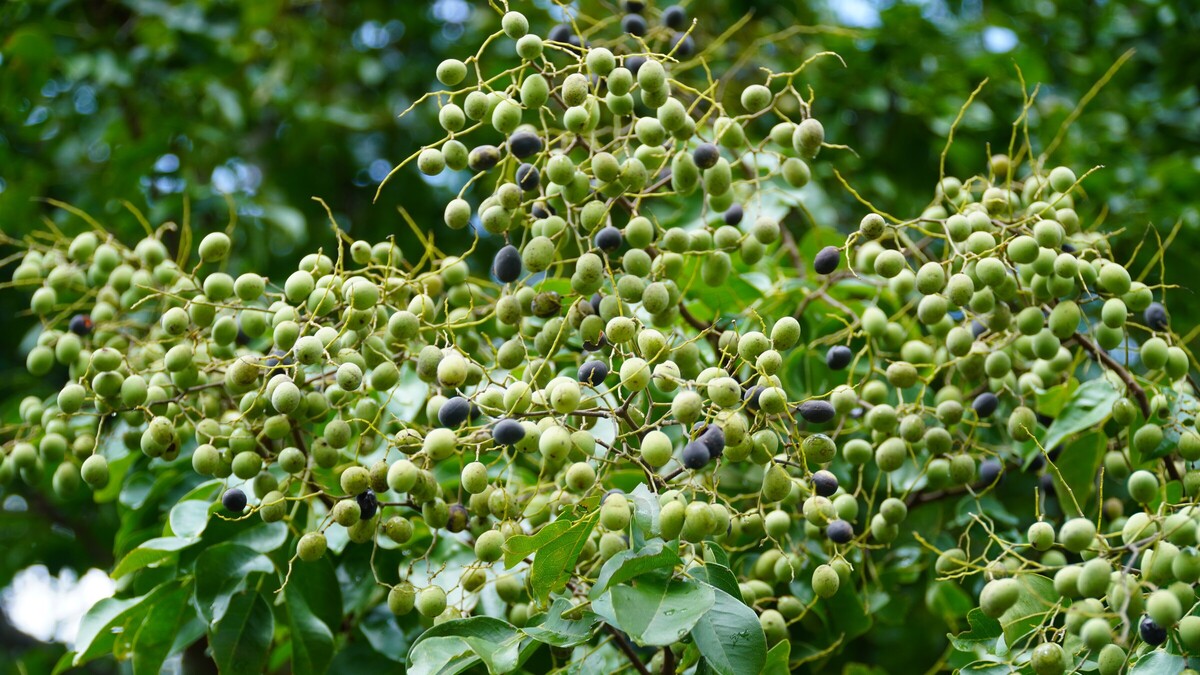
The Department of Science and Technology in Lam Dong has officially approved a successful research project focusing on propagating and trial-planting five native forest fruit tree species in the Ta Cu Nature Reserve. Led by Master Ho Thanh Tuyen and initiated in 2023, the project aims to conserve valuable plant genetics and support local ecology.

Key points
- The research team selected five specific local fruit-bearing species including wild mango, velvet tamarind, garcinia, maprang, and wild longan. These varieties were chosen based on their popularity, adaptability, and economic value.
- Trial planting models were established across a total land area of four hectares within the nature reserve. After three years of careful monitoring, the overall average survival rate of the trees reached seventy-two percent.
- The velvet tamarind species demonstrated the highest resilience against harsh drought conditions without relying on any artificial irrigation systems. Meanwhile, the wild mango recorded the most impressive height growth, averaging nearly ninety-nine centimeters.
- Severe water shortages caused by the El Nino phenomenon during the 2023 to 2024 dry season led to the loss of many young trees. The team successfully restored the plots by replanting eight hundred eighty replacement trees and installing proper watering systems.
- The Ta Cu Nature Reserve spans over 10,447 hectares featuring typical coastal southern central ecosystems where deciduous forests belonging to the dipterocarp family account for over half of the area.
- Researchers surveyed seven forest routes, examined fifty-seven standard plots, and interviewed forty local households living near the forest boundaries. They identified thirty woody plant species that produce edible fruits before narrowing down the selection.
- The scientific council praised the initiative for meeting practical requirements in gene conservation and local ecological development. Local residents have already requested saplings to grow for commercial fruit sales and additional income.
- The management board is currently propagating more seedlings to distribute free of charge to local communities. This effort aims to provide alternative livelihoods, reduce pressure on natural forests, and improve public awareness regarding forest resource protection.


Why it matters
This successful trial establishes a strong foundation for expanding native fruit cultivation on barren coastal sandy lands and low-yield agricultural plots. By supplying free saplings to neighboring residents, the project effectively balances ecological restoration with community economic benefits to curb illegal foraging.
This summary restates the key points of the original article. The full article and its copyright belong to VnExpress.
Read the full article at VnExpress