Reprogramming cells, transfusing young blood to 'rejuvenate' people
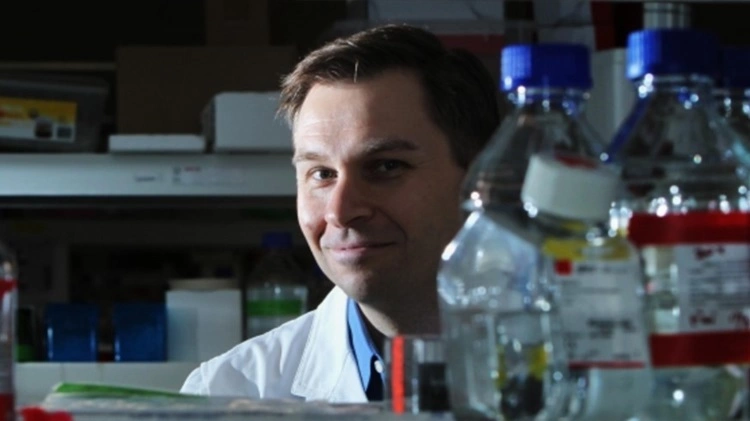
According to National Geographic, molecular biologist David Sinclair, a professor of genetics at Harvard Medical School, spent more than a decade developing the ER-100 gene therapy. In April, in a trial licensed by the US Food and Drug Administration (FDA), an ophthalmologist injected a small amount of ER-100 into the left eye of a 70-year-old patient with severe glaucoma at a clinic in Glendale, California, USA.
Glaucoma is a disease that damages the optic nerve, mainly affects the elderly and can cause functional blindness. A new treatment has the potential to reverse glaucoma by returning genes on the optic nerve to a healthy state decades ago. If successful, ER-100 would be among the first drugs to repair nerve damage in humans, but Sinclair hopes the compound will be the first step toward completely reversing aging.
ER-100 works on reprogramming technology to return cells to a more youthful state. ER-100 contains instructions for making transcription factors, special proteins in cells that attach to DNA to turn on or off the process of converting information from genes on DNA into RNA. Three transcription factors in ER-100, OCT4, SOX2 and KLF4 (collectively called OSK), normally activate genes that human embryos use to prevent stem cells from differentiating into nerves, skin, heart and other organs in the body.
Sinclair's lab reports success with the therapy in mice and primates, but the Glendale trial marks the first time ER-100 has been used in humans. This is the latest move in the fast-growing anti-aging biotech race with huge investments.
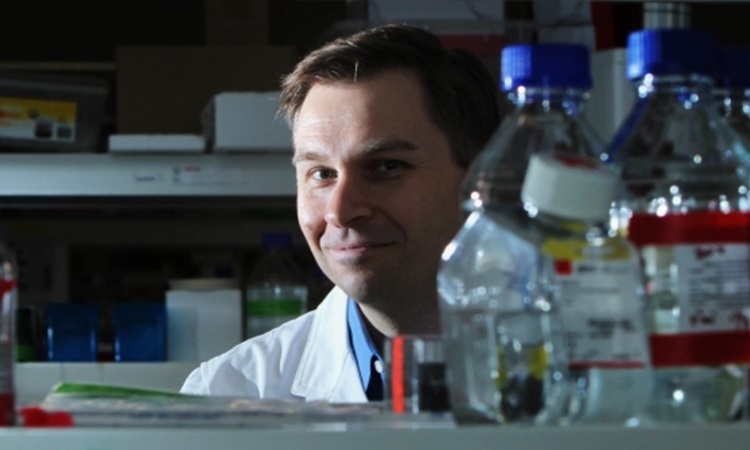
According to the New York Times, in the 1950s, aging researcher Clive McCay pioneered surgery to pair pairs of old and young mice together so they shared a circulatory system and discovered that the bones of old mice were actually younger. This technique was almost forgotten until researchers revived the method in the 2000s and began to study the effects of blood on the aging process.
Currently, experts at the University of California Berkeley laboratory and many other places are investigating whether plasma dilution solutions can slow down the aging process. Plasma dilution involves withdrawing blood from the body and passing it through a centrifuge to separate blood cells (red blood cells, white blood cells, platelets) from old plasma. The old plasma containing pathogenic factors or cell regeneration inhibitors is discarded, replaced with a solution of physiological saline and albumin protein, and then infused into the patient's body.
According to Inside Tracker, one reason people get age-related diseases such as cardiovascular disease or Alzheimer's is "zombie" cells - old cells that have stopped dividing and no longer work normally, but refuse to die and instead hang around in the body, leading to inflammation that damages nearby tissue.
Two decades ago, researchers began identifying drugs called senolytics that target the defense mechanisms of "zombie" cells through a variety of methods. In theory, killing "zombie" cells could help reverse aging.
In experiments on mice, the senolytic drug extended lifespan and restored muscle, kidney and heart function that declines with age. But although human trials have been going on for many years, no breakthrough results have been published.
James Kirkland, a pioneering researcher in the field, is testing a popular leukemia drug combined with a plant compound to help treat frailty syndrome, arthritis and Alzheimer's disease in the elderly.
In theory, growing a new liver, kidney or heart from the patient's own cells and replacing the old organ could prolong life. Research groups are expanding the possibilities of organ replacement through both lab-grown organs and genetically modified pigs. The first pig heart transplant patient lived two months. A patient lived a record 271 days with a pig kidney before receiving a kidney transplant from a donor.
Experts are exploring organ transplant technology to slow down the aging process in healthy people. However, according to Science Alert, aging affects every cell in the body at the same time, so replacing one organ does not stop the overall aging process. Surgery also carries many risks, including the risk of rejection due to the older person's immune system rejecting the transplanted organ.