'Focusing resources on developing AI, robots, and UAVs'
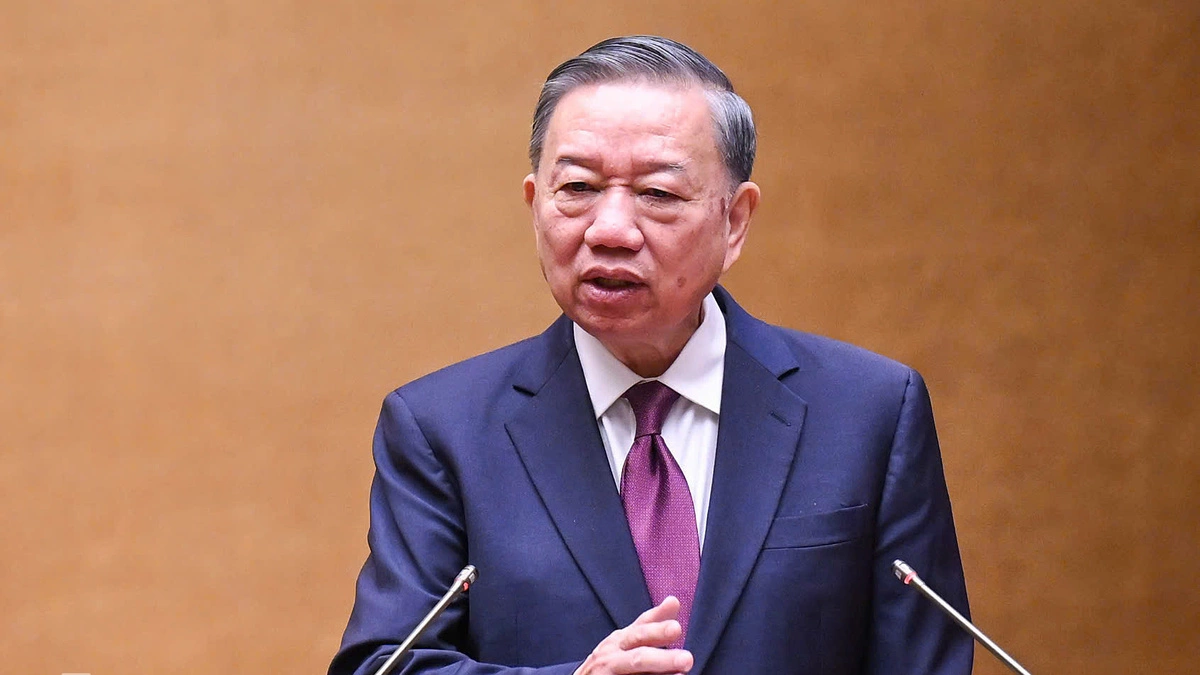
The Central Steering Committee for the development of science, technology, innovation and digital transformation on July 7 announced the conclusions of General Secretary and President To Lam at the preliminary conference summarizing 1.5 years of implementing Resolution 57.
According to the head of the Party and State, science, technology, innovation and digital transformation have been identified as the main driving forces to innovate the development model, improve productivity, competitiveness, governance effectiveness and national autonomy. Institutions have been gradually improved, many bottlenecks have been removed.
Vietnam has identified 10 strategic technologies associated with 30 strategic technology products and 20 major national problems. A number of domestic enterprises have gradually mastered technology and developed products to serve the domestic and export markets.
However, the General Secretary and President assessed that there are still many limitations in institutions, infrastructure, human resources, data, network security, information safety and capital disbursement. Actual results are not commensurate with resources and political determination, and have not created many specific strategic products. "The current weakest step is implementation organization," the conclusion stated.
He asked agencies and units to be deeply aware of science, technology, innovation and digital transformation as the main driving force to innovate development models, establish new growth models and realize the country's two 100-year goals. In the context of increasingly fierce technological competition, implementing Resolution 57 also directly contributes to improving strategic autonomy, ensuring national defense, security and sovereignty.
The tasks of implementing Resolution 57 are only considered completed when there are operational products, verified data, actual users and measurable effectiveness. Results cannot just stop at issuing documents, developing plans, organizing conferences or establishing an apparatus, but must be demonstrated by mastered technology, connected data, reduced administrative procedures, improved productivity, developed businesses and real benefits brought to people and society.
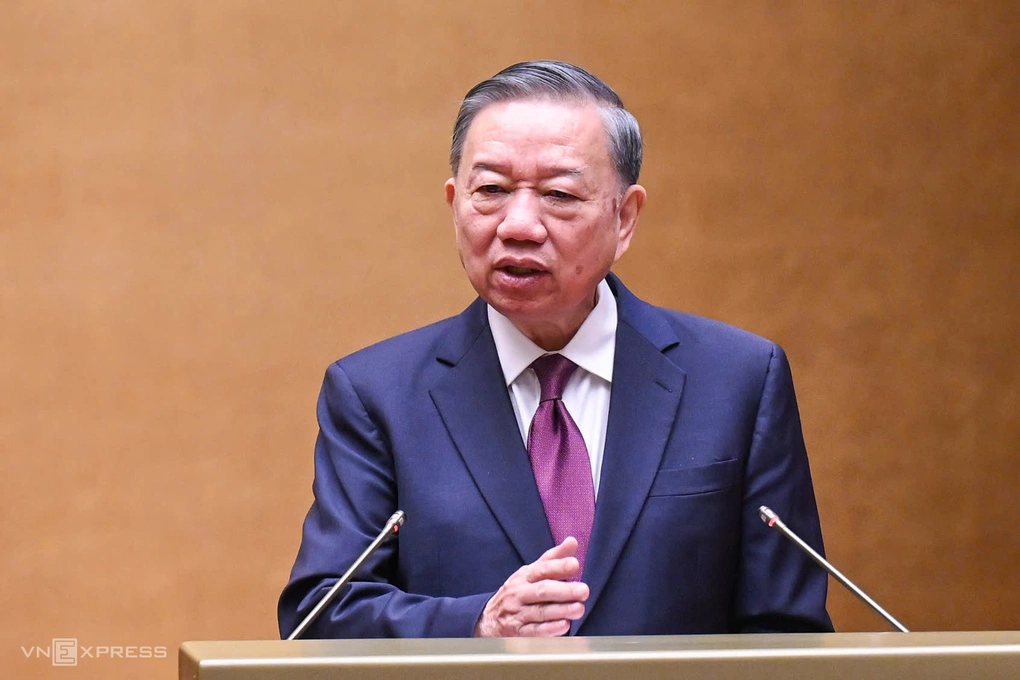
The General Secretary and President requested to focus resources on mastering and developing strategic technologies into specific products, especially artificial intelligence, big data, robotics and automation, biological and biomedical technology, materials and energy, semiconductor chips, network security, quantum technology, drones, marine, ocean and underground technology.
For each strategic technology, the goal must be clearly defined according to the one-year, three-year, five-year and 10-year milestones, including the technology mastered, the products formed, the ability to export and the level of contribution to growth, defense, security, and national autonomy. The lead agency must be responsible for the final product, results, effectiveness and actual impact, rather than just for processes and procedures.
Agencies must also pay special attention to cybersecurity, information security, data security and national digital sovereignty. "Do not trade security and safety for development, but also do not slow down innovation because of fear of risk," the conclusion stated.
Each locality is required to clearly identify practical problems that need to be solved with science, technology, innovation and digital transformation; proactively register to take on large and creative problems within the legal framework, according to authority.
The business community is encouraged to increase investment in research and development, technological innovation, digital transformation, training high-quality human resources and participating in national strategic technology programs. Corporations and large enterprises in the public and private sectors need to pioneer in mastering core technologies, developing Vietnamese technology products and deeply participating in the global value chain.
The General Secretary and President also requested to have policies strong enough to attract and utilize Vietnamese talents, experts and intellectuals at home and abroad. International cooperation must shift its focus from attracting capital to attracting knowledge, technology and experts, associated with improving domestic research, development and technology mastery capacity. Right from the 2026-2027 school year, the education sector and universities must review training programs, prioritizing strategic technology fields.
Vu Tuan