The world's first cruise ship powered by hydrogen
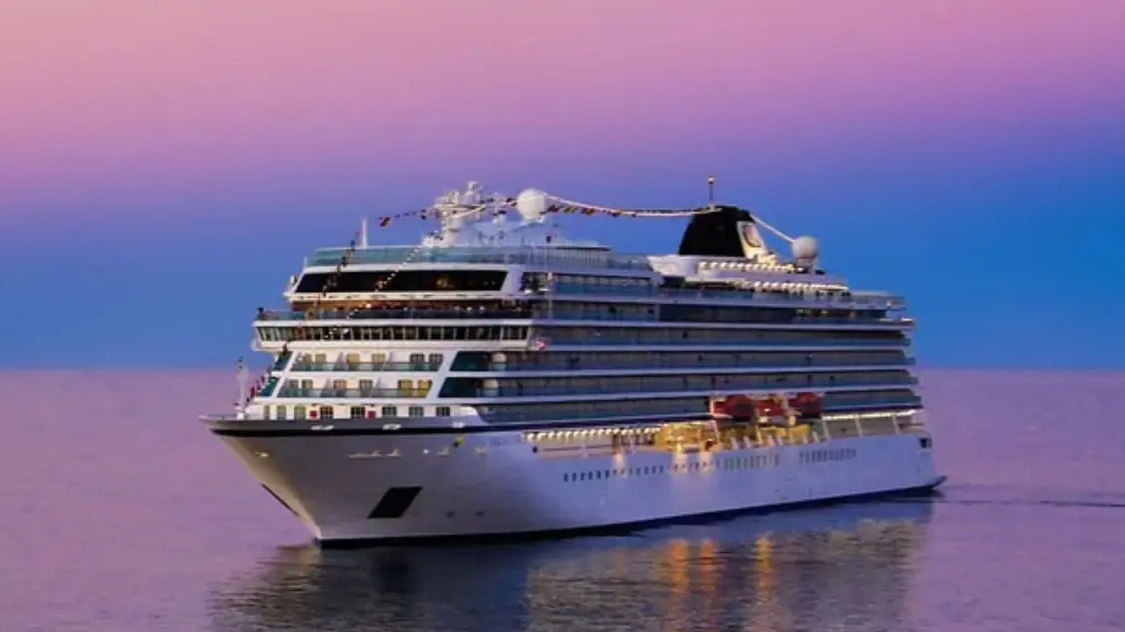
Fincantieri shipbuilding company and Viking cruise line unveiled Viking Libra, the world's first cruise ship powered by hydrogen stored on board, Interesting Engineering reported on April 10. The ship is being built at Fincantieri's Ancona shipyard in Italy, expected to use advanced hydrogen fuel cell technology to generate 6 MW of electricity for propulsion systems and electrical equipment, enough to supply 499 rooms on the ship.
Viking Libra has a total capacity of 54,300 tons, is 239 m long, is designed to carry 998 passengers and is expected to be delivered at the end of 2026. The hydrogen propulsion system allows the ship to operate without emissions, thus being able to access even the most environmentally sensitive areas.
The ship loads and stores hydrogen directly in a specialized container system. This hydrogen will be supplied to an advanced polymer electrolytic membrane (PEM) fuel cell specifically optimized for tourism.
"With Viking Libra, we are not only delivering the world's first cruise ship powered by onboard hydrogen storage, but also reinforcing our commitment to shaping the future of sustainable shipping," said Pierroberto Folgiero, CEO of Fincantieri. He also emphasized the project's role as a catalyst for the green transformation of the shipping industry.
Viking is increasing its application of new technology with its next ship, the Viking Astrea, also being built in Ancona and scheduled for delivery in 2027. "Viking has made the decision to invest in hydrogen, which is a truly zero-emission solution," said Torstein Hagen, Viking's president and CEO.
Around the world, many types of vehicles, boats, and even robots powered by hydrogen are being developed. In early April, Japan's Kawasaki Corporation revealed a four-legged robot design using hydrogen fuel cells designed for riders, able to move on complex terrain. Previously, South Korea's Hyundai Group also introduced a new hydrogen fuel cell electric vehicle, NEXO, with a driving range of more than 700 km per charge.
Thu Thao (According to Interesting Engineering)