India's first private rocket flew into orbit
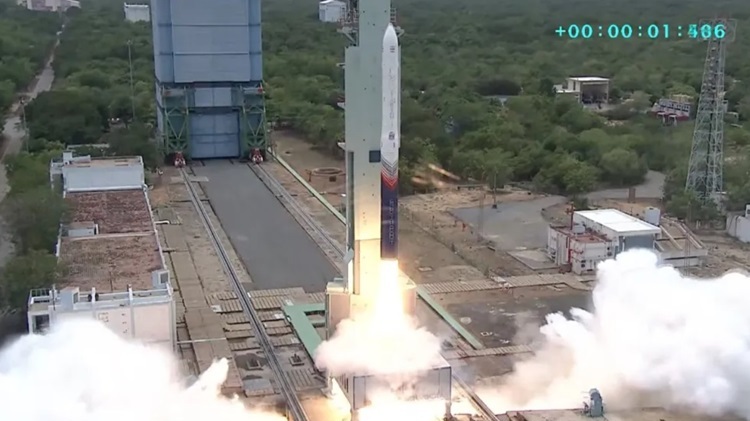
According to Space, Vikram-1 took off from the Satish Dhawan Space Center of the Indian Space Research Organization (Isro), using a solid fuel engine on the first stage. The missile operated according to plan, flying to the target orbit at an altitude of 450 km and deploying the carrying equipment. Vikram-1 completed all tasks after just 17 minutes from takeoff, making India the third country after the US and China to have a private company successfully launch a rocket into orbit.
According to BBC, the July 18 test mission called Aagman aimed to test how Vikram-1 and the missile's various systems function in flight. The rocket also deployed six scientific instruments including a technology demonstration experiment from German company DCUBED, a Solaras S3 guidance nanosatellite from startup Grahaa Space and the Embrace robotic arm built by Indian company Cosmoserve Space, designed to collect space debris.
Vikram-1 also carries Skyroot Aerospace's SCOPE satellite, which collects data to help the company evaluate the rocket's performance in flight. In addition, the rocket also carries two iconic items including a small 18-carat gold rocket from artist Ajay Kumar Mattewada and a diamond lotus named "Cosmic Bloom" designed by jewelry manufacturing company Cosmos Diamonds.
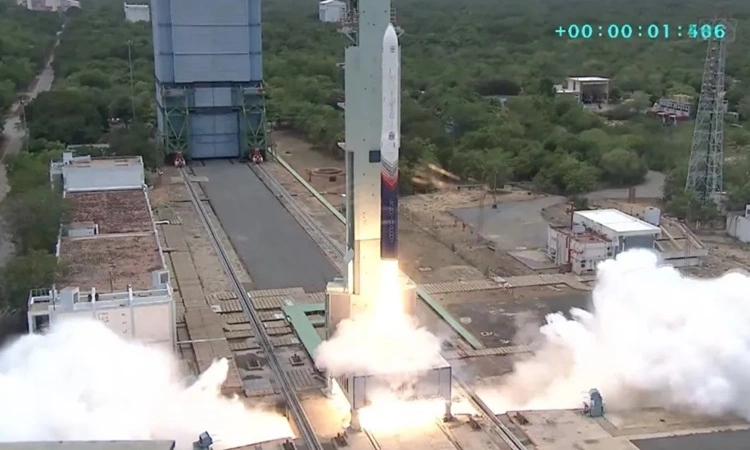
Skyroot Aerospace Company was established in 2018, headquartered in Hyderabad, India. Four years later, Skyroot Aerospace became the first private Indian company to launch the Vikram-S suborbital rocket into space. Vikram-1 is the next orbital vehicle the company is developing, named after Vikram Sarabhai, the father of India's space program. According to Space News, this small rocket is as tall as a 7-story building and can carry 350 kg of cargo to LEO. The upgraded version called Vikram-1U will increase cargo capacity to 550 kg.
Pawan Kumar Chandana, co-founder and CEO of Skyroot Aerospace, shared that operators often have to wait from several months to several years to launch satellites. His company aims to cut down on long launch wait times. Instead of flying together on large rockets with fixed schedules, customers can place satellites into orbit on demand, similar to using taxis instead of trains. Skyroot Aerospace's operating model is similar to the American company Rocket Lab, which specializes in providing small cargo launch vehicles.
In 2020, India opened up its space industry to private companies, allowing them to build rockets and satellites and use Isro's launch facilities with the goal of increasing the country's share of the global business market from 2% currently to 10% by 2030. Since then, more than 400 aerospace startups have been established in India, but Skyroot Aerospace remains the most successful in the industry. that number. India plans to send astronauts into space next year, launch a spacecraft around Venus orbit in 2028 and build its own space station in 2035.