The institution of science and technology has reached the stage of drastic implementation
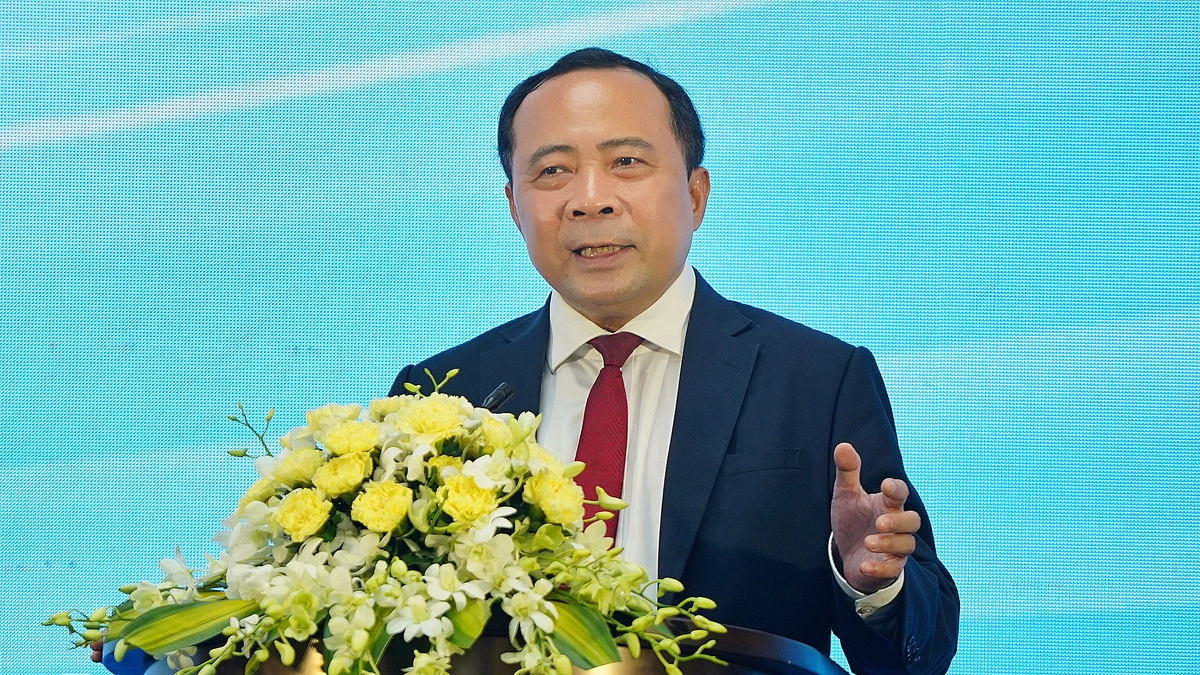
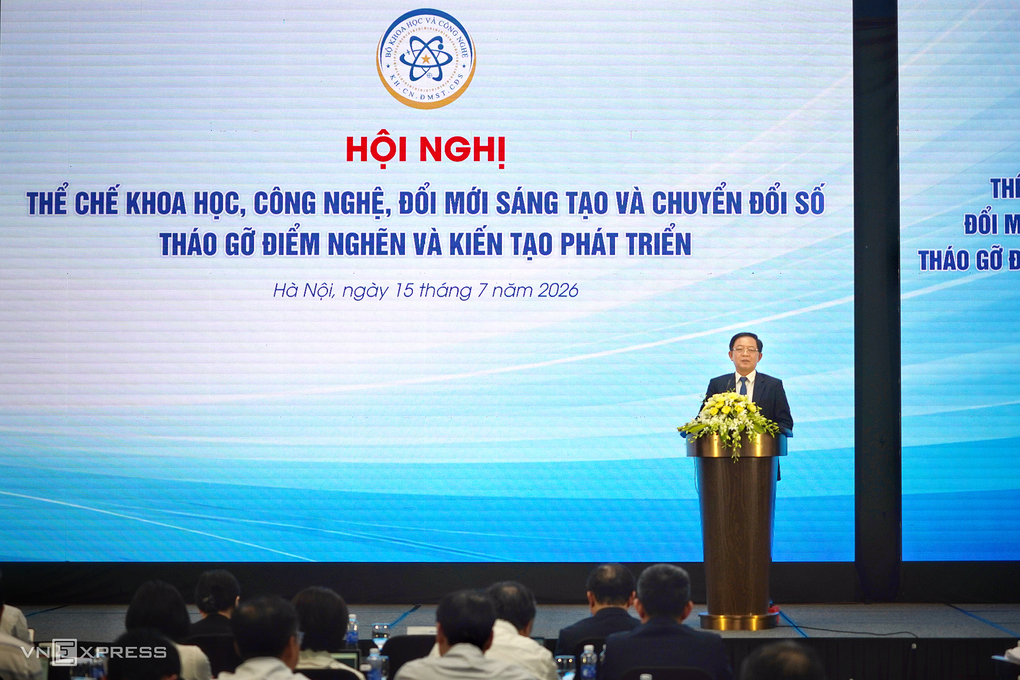
"The basic institutions have been completed, resources are abundant, the remaining problem is how to implement it," Deputy Prime Minister Ho Quoc Dung said at the conference on Institutions of science, technology, innovation and digital transformation - Removing bottlenecks and creating development, on the afternoon of July 15 in Hanoi.
The conference was organized by the Ministry of Science and Technology after more than 1.5 years of Resolution 57, at the same time Vietnam identified science and technology, innovation and digital transformation as the main driving force for double-digit growth. According to the Ministry, this is an opportunity to disseminate new policies and find out remaining bottlenecks, with the goal of putting laws, decrees and circulars into practice in real life.
The basic institution has been completed
Citing statistics over the past 18 months, the Deputy Prime Minister said that about 400 legal documents have been issued, including nearly 30 laws directly related to Resolution 57. The Ministry of Science and Technology alone has advised on the development of 10 laws. This creates a relatively complete legal corridor for fields from scientific research, strategic technology, innovation to digital transformation.
According to Minister of Science and Technology Vu Hai Quan, this is the largest volume of legal construction ever, and there are many breakthroughs in approaching problems and developing policies. For example, he gave the National Science and Technology Development Fund a redesign to be more flexible, providing support from research to product development, instead of just allocating funds according to the traditional budgeting mechanism.
From the results achieved, the Minister assessed that the institution of science and technology is "basically complete", and if there are any changes in the future, they will only be minor adjustments to better suit reality.
"The problem now lies in the organization and implementation stage and in the people," the Minister said.
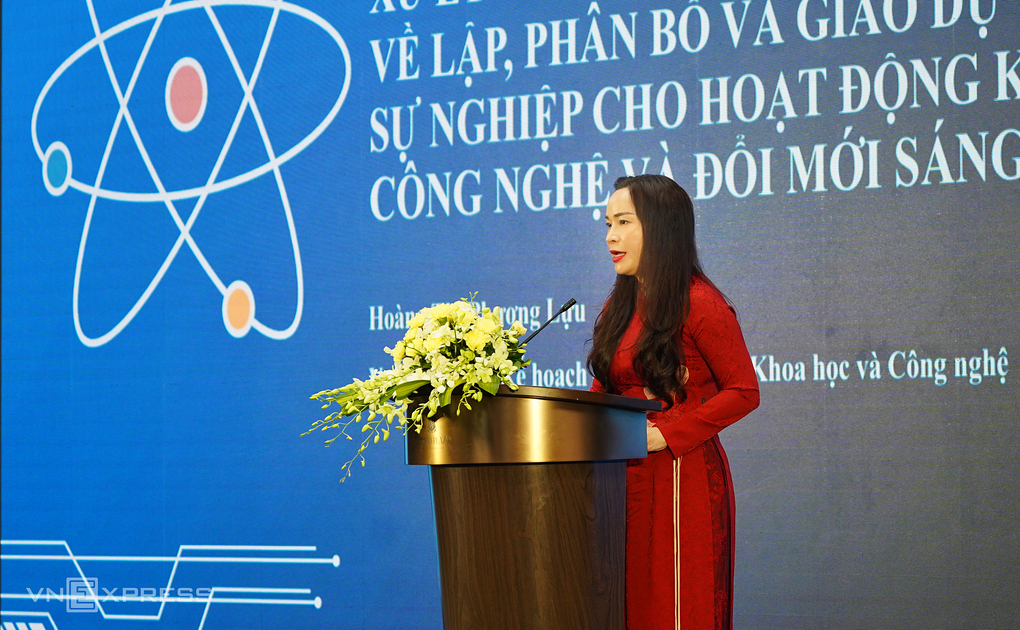
At the conference, the Ministry's specialized units also presented new policy points, which removed major bottlenecks in strategic technology development, investment and procurement for digital transformation, as well as financial mechanisms for scientific research. The common point of the new policies is to increase autonomy, reduce procedures and accept risks in research, replacing the previous input-heavy management style.
The discussion atmosphere at the conference also reflected the issues raised when putting policies into practice. At the event, a representative of Hanoi National University commented that human resources for science and technology are showing positive signs as more than the majority of this year's candidates registered in STEM fields, and proposed that the State invest in R&D centers to support technology businesses.
Enterprises such as Viettel, VNPT Technology and FPT also said they are ready to participate in strategic technology development, but want to continue to remove obstacles regarding long-term research support mechanisms, technology procurement and implementation of digital transformation projects.
Meanwhile, representatives of Hanoi city, the Ministry of Health and a number of ministries and branches assessed that the current challenge lies in the implementation stage when many new regulations have not been uniformly implemented at the grassroots level, and proposed to soon issue guidelines to put the new policy into practice.
Aggressive execution to create products
After listening to sharing from agencies in the Ministry of Science and Technology and representatives of institutes, schools, and businesses, Deputy Prime Minister Ho Quoc Dung assessed that the legal corridor has been basically completed, the focus of the next stage is implementation, in which each subject in the science and technology ecosystem must clearly define its responsibilities.
According to him, the bottleneck no longer lies in the mechanism but in the organization and implementation stage as well as the fear of responsibility of the implementation team. He said the Government will submit to the National Assembly a mechanism to waive liability for cases of honest, non-profit scientific research that does not achieve expected results, in order to create an environment for scientists to feel secure in innovation.
For ministries, branches and localities, he requested to continue to innovate management thinking in the direction of tectonic development, taking people and businesses as the service center, organizing the serious implementation of newly issued legal regulations, and promoting decentralization and decentralization of powers along with resource allocation and strengthening inspection and supervision. The Government has approved the list of strategic technologies and strategic products and assigned 20 major problems to 10 ministries and branches, requiring units to urgently deploy to quickly create specific products. Disbursement results and implementation progress will become a measure of the leader's responsibility.
For the team of scientists, the Deputy Prime Minister suggested continuing to promote the spirit of creativity and daring to venture into new and difficult fields. Research activities need to originate from the country's development requirements and the needs of businesses, taking application efficiency, commercialization ability and socio-economic impact as evaluation criteria instead of just stopping at research results.
Research institutes and universities are required to innovate their operating models in a practical way, promote technology transfer and commercialization of intellectual property, while developing a creative startup ecosystem and strengthening links with businesses to put research results into production.
For the business community, the Deputy Prime Minister emphasized that businesses are not just policy beneficiaries but must become the center of the innovation ecosystem. He suggested that businesses increase investment in R&D, proactively order institutes and schools to form genuine links between businesses and researchers, thereby creating technology products that can compete in the international market.
Concretizing the Government's instructions, Minister Vu Hai Quan said that the Ministry of Science and Technology will focus on implementing four key tasks in the coming time. The immediate task is to effectively allocate resources and accelerate disbursement of the entire science and technology budget in 2026, and at the same time develop an estimated allocation plan for 2027 to ensure that capital flows are put to use at the right time.
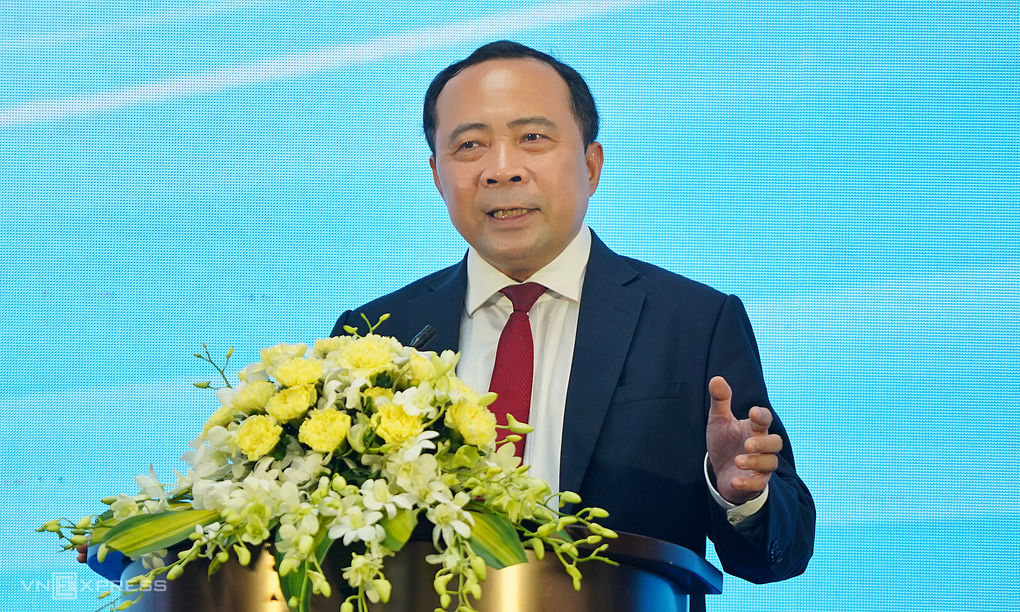
At the same time, the Ministry will implement the National Strategic Technology Program, review local science and technology tasks and shift from approving many small topics to ordering large problems associated with socio-economic development needs.
According to the Minister, each locality needs to focus on implementing at least one to two key tasks, with the participation of businesses, research institutes and universities, and combine capital from local, central and business sources to improve investment efficiency.
The Ministry will also implement a program to support businesses in applying digital technology and artificial intelligence, support innovative startups in the technology research phase, and develop shared research and testing centers. Along with that, the national science and technology management digital platform is expected to be put into trial operation in September to connect data, share resources and improve management efficiency nationwide.
"The common spirit is action. The basic institutions are completed and we move into action," the Minister emphasized.
Luu Quy