Deputy Minister Tran Trung Tinh proposed 4 solutions to develop the marine economy
On the morning of October 2, the Vietnam Sea Forum 2026, chaired by the Ministry of Foreign Affairs, opened in Hanoi with the theme International cooperation and integration in building Vietnam into a strong maritime nation.
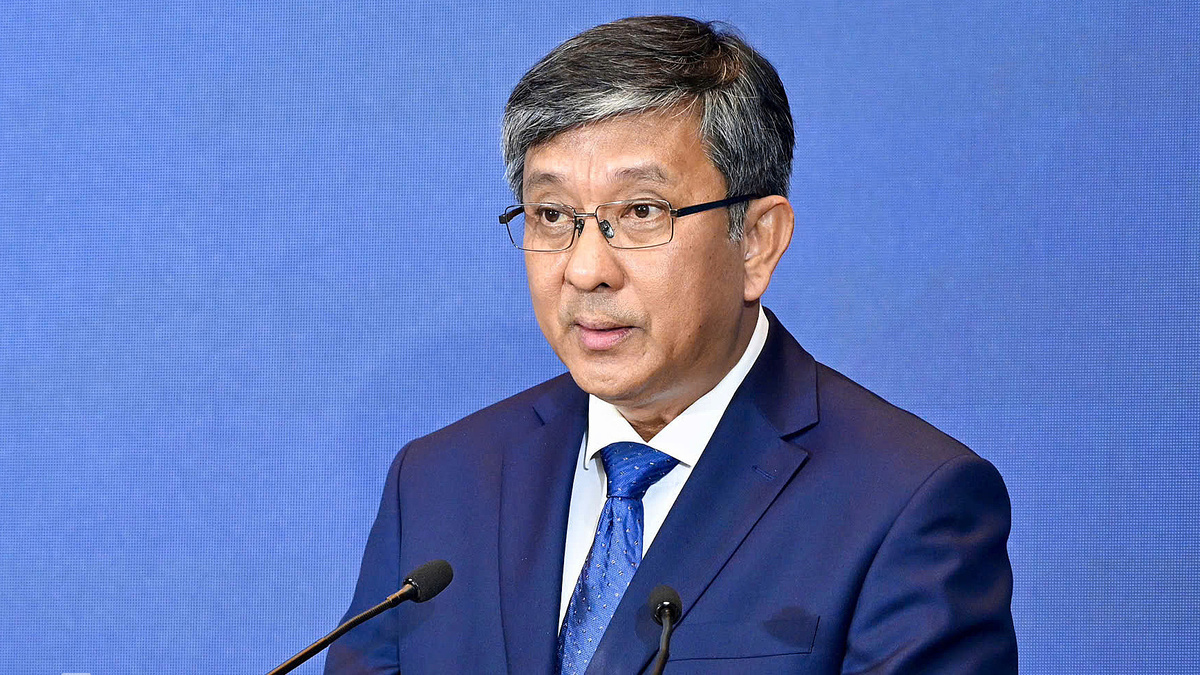
Deputy Minister of Science and Technology Tran Trung Tinh proposed four directions for international cooperation to improve Vietnam's marine science and technology capacity. These are: developing marine research organizations; master advanced technology; Connect ocean data and attract international experts.
According to Mr. Tinh, the seas and oceans are globally connected spaces, where no country can alone solve increasingly complex challenges of resources, environment, climate and sustainable development. Therefore, international cooperation needs to become a pillar of marine science and technology.
The first direction proposed by the Deputy Minister is to increase the capacity of Vietnam's marine research organizations, towards the leading level in ASEAN. The Ministry of Science and Technology will build a legal corridor and promote links between domestic research institutes and universities and the world's leading ocean research centers.
In addition, Vietnam needs to promote cooperation in research, reception, transfer and mastery of advanced marine technology. Priority areas include autonomous submarine vehicles, ocean remote sensing, high-speed submarine cables, undersea data centers, offshore renewable energy and marine biotechnology.
Vietnam plans to prioritize cooperation with countries with strengths in marine technology such as Japan, Germany, Italy, the US, Australia, and Russia.
The third direction is to build and connect ocean data infrastructure with the region and the world. The Ministry of Science and Technology will participate in ocean data and monitoring programs within the framework of the United Nations Decade of Ocean Science for Sustainable Development and multilateral cooperation mechanisms such as the Intergovernmental Oceanographic Commission.
Finally, the Ministry of Science and Technology will develop a specific mechanism to attract leading international experts and scientists to directly participate in Vietnam's key marine science and technology programs.

According to the Deputy Minister, marine science diplomacy will be a bridge for Vietnam to access advanced knowledge and technology, participate more deeply in the global research network and contribute initiatives to solve common sea and ocean issues.
"Science helps us understand the sea. Technology helps us master the sea. Innovation helps us get rich from the sea. Digital transformation helps us manage the sea more effectively," Mr. Tinh said, believing that technological autonomy also contributes to protecting sovereignty and national interests at sea.
Moving from resource exploitation to modern maritime governance
Mr. Nguyen Duy Hung, Deputy Head of the Central Policy and Strategy Committee, said that to become a strong maritime nation, Vietnam must build internal maritime resources, shifting from growth based heavily on investment expansion to productivity, knowledge, technology and people.
International cooperation on the sea, according to him, must bring specific results in terms of capital, technology, knowledge, human resources, infrastructure, governance and markets. This is also an important resource when investment needs for seaports, logistics, energy, coastal urban areas, environmental protection and climate change response are very large, while domestic resources are limited.
Vietnam therefore needs to increase connections with financial institutions, investment funds, strategic investors and international green finance sources; At the same time, promote cooperation in science and technology, digital transformation and marine data development.
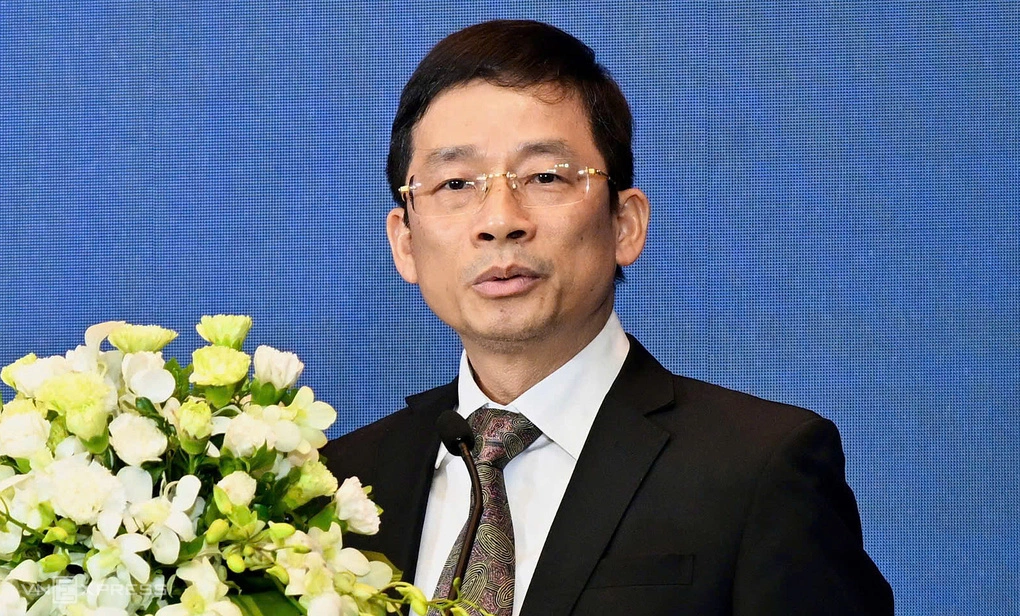
Mr. Hung noted that marine economic development must go hand in hand with environmental protection, ecosystem restoration, climate change response and ensuring sustainable livelihoods for coastal communities.
"Economic development cannot be at the expense of the environment, biodiversity and resilience of ecosystems," he said.
Previously, Vice Chairman of the National Assembly Nguyen Doan Anh gave the opening speech, saying that Resolution 20 of the Central Committee marked a transition from the mindset of simple resource exploitation to modern marine governance, developing a blue ocean economy and unified management of the national marine space.
"The sea is an important foundation of national synergy. Building and developing Vietnam to become a strong maritime nation is a long-term national development strategy," he said.
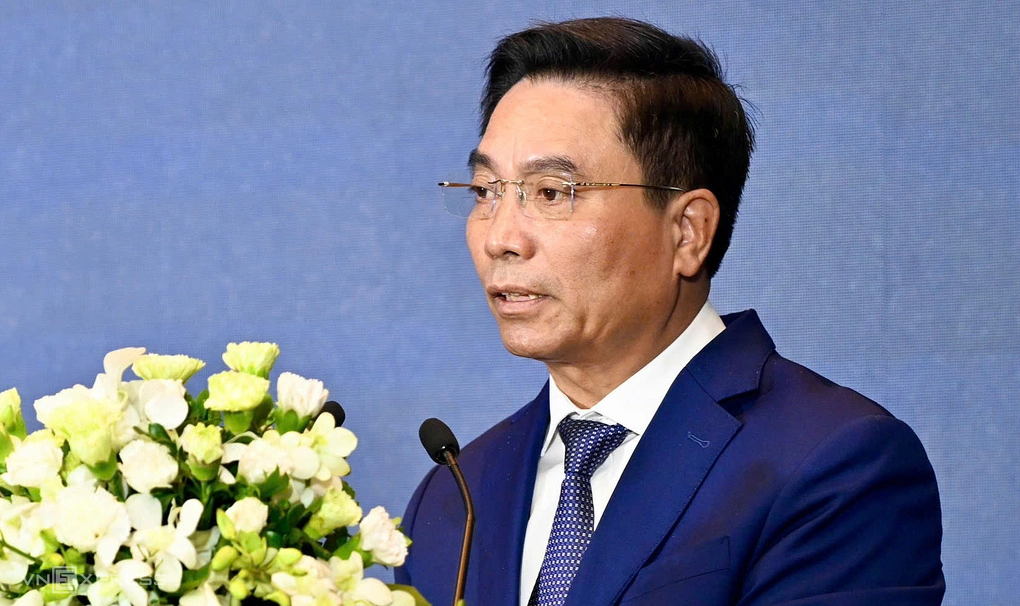
According to the Vice Chairman of the National Assembly, science and technology, innovation and digital transformation are the driving forces to master knowledge and technology, combining socio-economic development with environmental protection, sovereignty and national security.
He said that a stronger Vietnam at sea must also contribute more to peace, cooperation and sustainable development. Vietnam will continue to contribute with partners to peace, stability and sustainable development in the East Sea on the basis of international law, especially the United Nations Charter and the 1982 United Nations Convention on the Law of the Sea (UNCLOS).
Vietnam Sea Forum 2026 includes a high-level orientation session on the 2026-2030 action program and three parallel thematic sessions. The content focuses on resource mobilization, infrastructure development and marine logistics; marine science, technology, data and governance; Local international cooperation associated with environmental protection, livelihoods and coastal community values.
Vu Tuan