Fake news using AI surrounds the 2026 World Cup
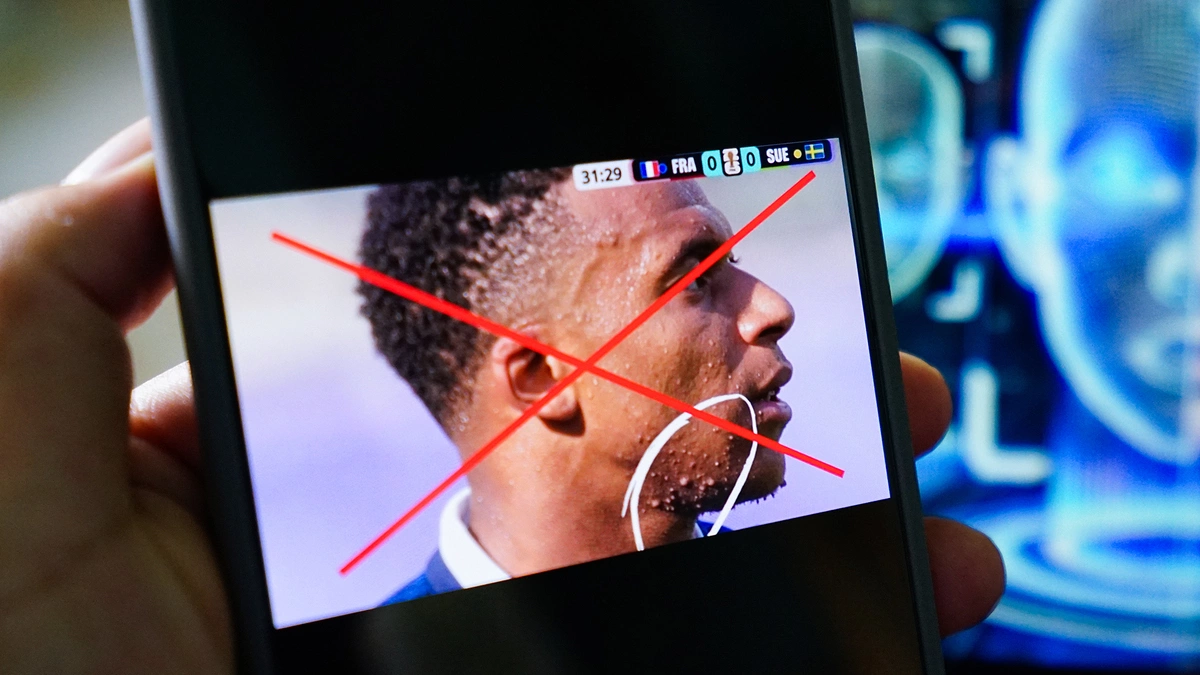
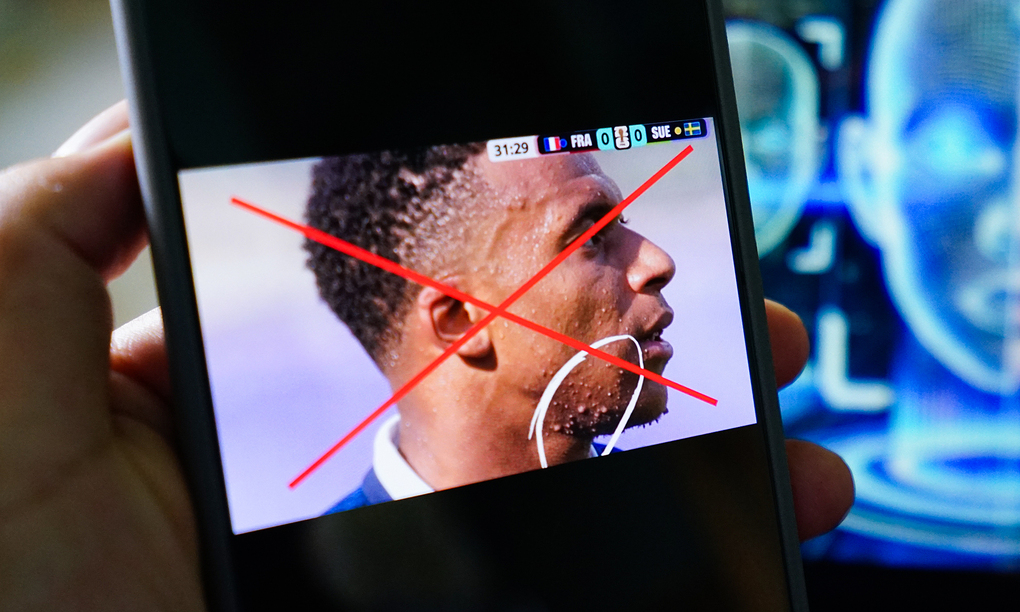
Last week, a photo of French team player Kylian Mbappé with a strange pimple under his chin was shared on Twitter with the question: "What is the name of the disease that appears on Mbappé's chin?". The content quickly attracted 5 million views. Many other accounts reposted it, with one receiving up to 19 million views.
Previously, on June 4, a screenshot of the Eurosport interface spread with the content that Mbappé revealed that he was leaving PSG for Real Madrid in 2024 "due to involvement in harassment by French President Emmanuel Macron".
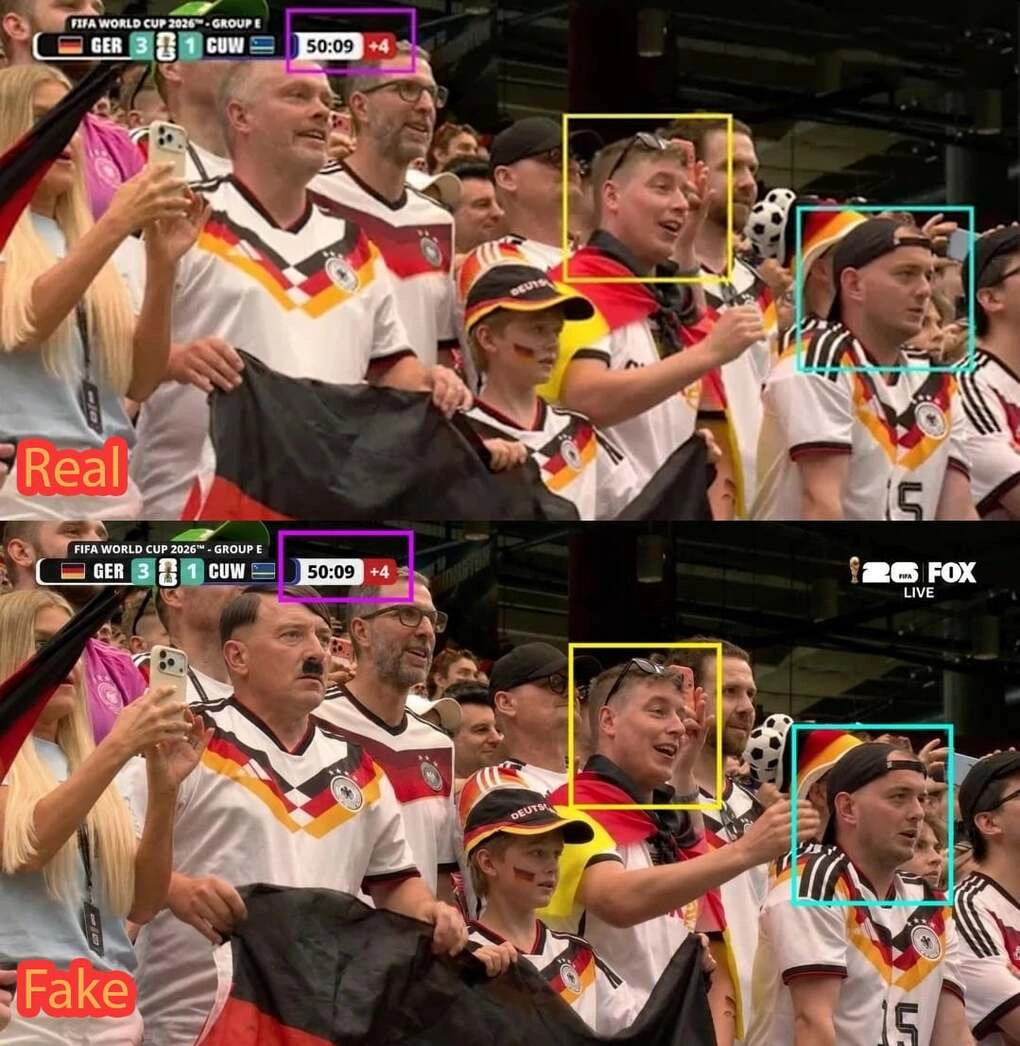
Mbappé is not the only victim of AI photo and video memes circulating on Twitter and Reddit. On June 14, another image was viewed more than three million times on Twitter, showing a fan with a face similar to Adolf Hitler watching the match between Germany and Curaçao (7-1). On June 17, the photo depicts Keir Starmer, the former British prime minister who recently resigned, and former deputy prime minister Angela Rayner wearing Croatia jerseys, celebrating in a bar.
According to L'equipe (France), the above photos have something in common: created by AI, appear densely on social networks but are not labeled with any warnings, causing confusion for viewers. They even share them, making the problem even harder to control.
With the content "Mbappé has strange acne", many articles from major Western newspapers quickly confirmed that this striker has no health problems. However, the photo and conspiracy theories continue to spread online.
Meanwhile, Germany's DW has verified the photo of the fan resembling Hitler and confirmed that it is fake. In fact, this is a screenshot from the TV broadcast of the match, with timestamps corresponding to first-half stoppage time.
With fake news related to President Macron, Eurosport was even "extremely surprised" when the person behind almost perfectly copied the website graphic design and photo of journalist Martin Mosnier, causing the site to immediately issue a correction notice.
"The way it's done is extremely convincing. It's scary that people unfamiliar with our editing style can easily fall into the trap," Mosnier worried. "Right now everything is still distinguishable. But a few months, a few years from now, if fake articles created by AI appear with high frequency, we can't spend all the time tracking down and making denials. That's what really scares me."
The problem is considered increasingly serious when platforms have not yet introduced a mechanism to quickly handle AI content. Meanwhile, the violation reporting feature is not enough for removal because it must be proven that the content is defamatory, discriminatory or violates community standards.
"As soon as we recognize an image that does not reflect reality, harms the image of a player or a member of the coaching staff, we will forward it to the platforms," the French Football Federation (FFF) said. "Unfortunately, we depend on their goodwill to resolve the issue. Twitter, for example, has been completely uncooperative."
Some content requires a third-party authentication mechanism. For example, late last month, social networks spread a deepfake video of a fan at a match between Brazil and Morocco staring at the chest of a female spectator. The image attracted millions of views and shares. However, fact-checking service Faky (RTBF) pointed out that there were signs that the video was not real, such as the match clock "standing still" and the ESPN logo appearing even though the match was not broadcast on this sports channel. The commentary features a robotic voice featuring AI-generated audio.
Professor Gabriel Turinici at Paris Dauphine University, specializing in researching digital issues and generative AI, said he is not surprised by the scale of the phenomenon surrounding the 2026 World Cup as AI tools to create content are increasingly perfected. According to him, the ultimate goal of most people spreading fake news is to make money.
"Anything that attracts public attention can lead to fake content," Turinici told L'equipe. "In 90%, edited photos and videos have only commercial purposes: to make money from people's attention, to advertise, to get revenue from clicks. In this 'game', anything that causes anxiety or mentions violence or pornography causes a stir."
Besides RTBF, companies like America's NewsGuard also specialize in hunting fake news, or OpenAI allows users to verify whether content is created by artificial intelligence or not, according to Brussels Times. However, Turinici estimates that the person behind it does not even need to try to make the content look real. "The number of clicks is enough to satisfy them," he said.
According to Turinici, it is impossible for everyone to equip themselves with detection skills. He proposed that artificial intelligence models must have a mechanism to represent the photos and videos they create. "But currently, not all tools do that," he said.