US President changes AI's name to 'super intelligence'
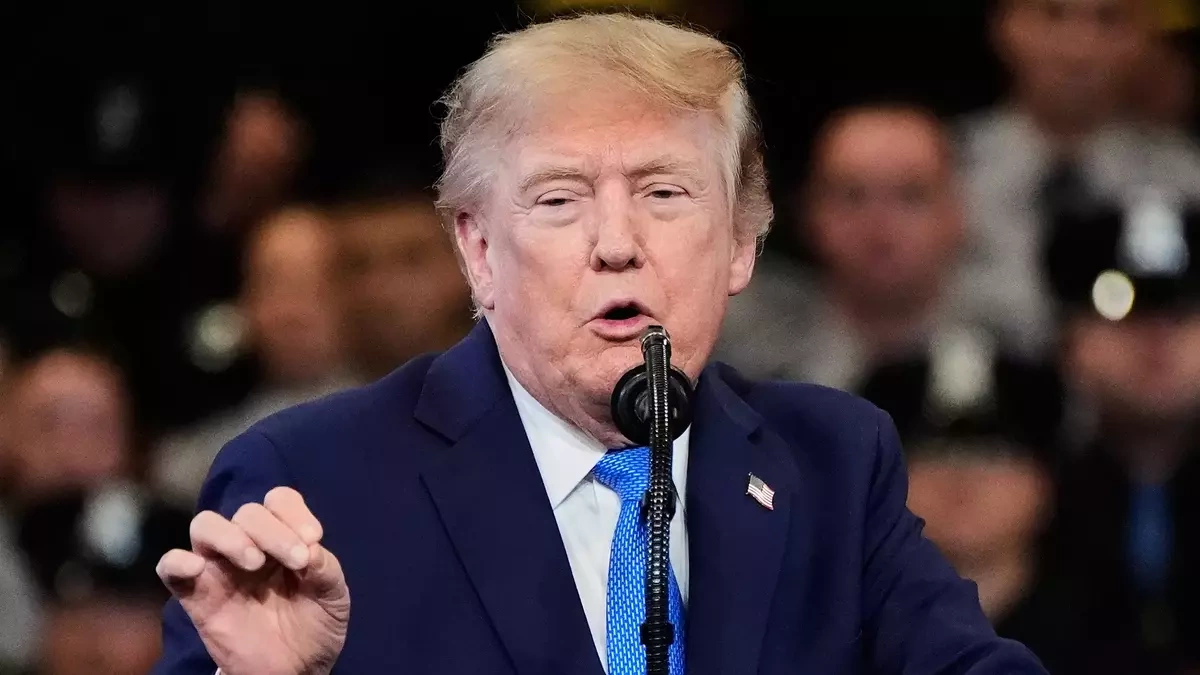
The executive order was announced by the White House after Mr. Trump had lunch and worked with a series of AI leaders on September 29. Titled "Beginning the Era of Super Intelligence," the executive order was created "to recognize the continued advancement of technology and the limitless potential it brings to the American people," according to a White House press release.
The order states that the term "super intelligence" must be used by all departments and agencies in official correspondence, public information, policies and other documents of the executive branch. The term "artificial intelligence" (AI) is no longer used.
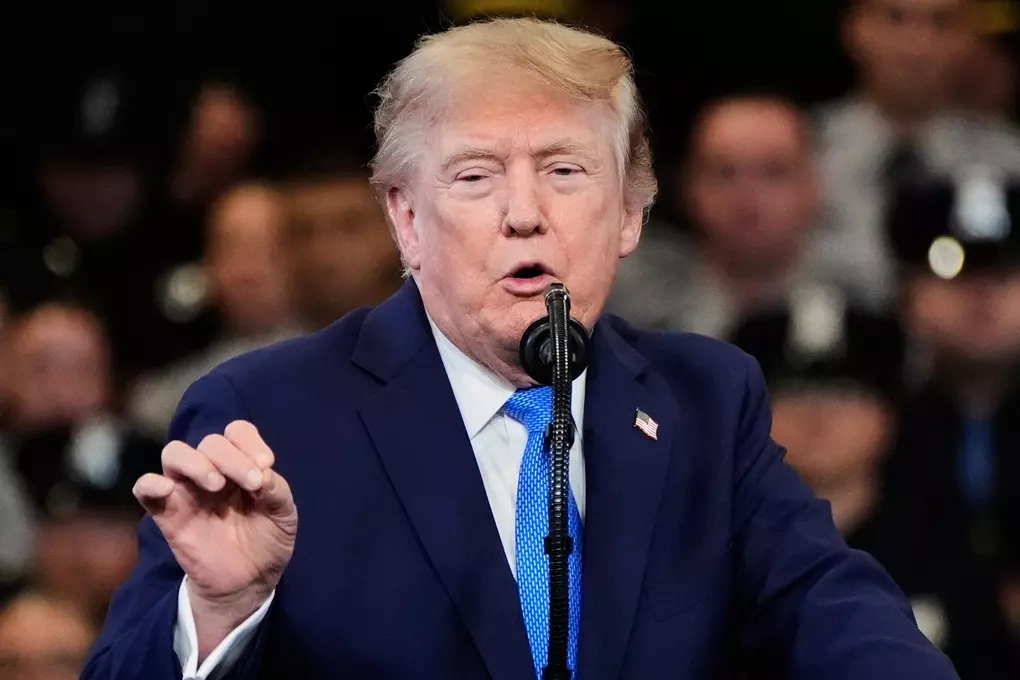
In an interview during an extraordinary press conference outside the White House, Mr. Trump hinted that the document determining the new name was signed by the technology tycoons after lunch. "Today, we have officially changed our name," the US President said. "The official name is changed by the greatest, smartest, most outstanding people in the world."
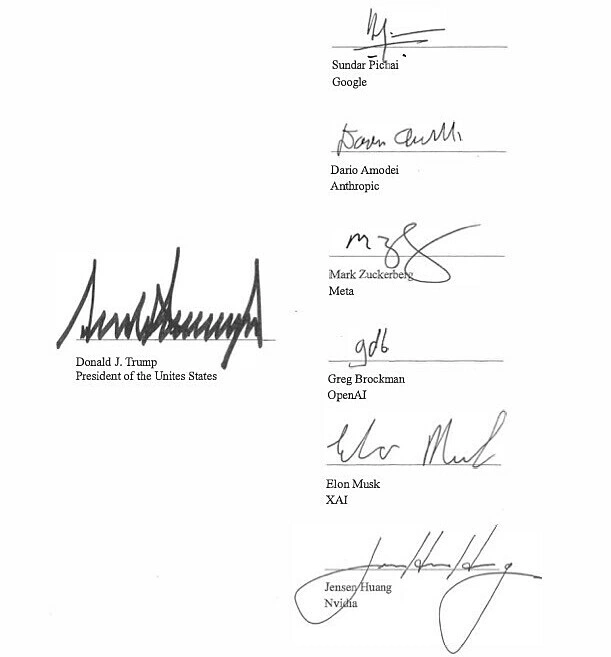
According to CNBC, the technology leaders who met with Mr. Trump on September 29 included Google CEO Sundar Pichai, Tesla and SpaceXAI CEO Elon Musk, Anthropic CEO Dario Amodei, Meta CEO Mark Zuckerberg, Nvidia CEO Jensen Huang and OpenAI President Greg Brockman. The group signed another separate agreement called the "White House Agreement on Superintelligence" with the subheading "Shared Commitment to Pioneering Responsibility."
According to Reuters, the agreement includes implementing strong internal controls and processes to ensure the technology works as intended before recommending additional layers of control. The signatories agreed to "meet regularly" to establish safety standards, adding that "over time, it may make sense to codify these steps into law or regulation."
On the social network Truth Social, Mr. Trump also posted a photo of the agreement signed by him and six company leaders.
Meanwhile, when reporters asked outside the White House whether the document was legally binding, he said it was "morally binding."
Concerned that his support for artificial intelligence and data centers could hurt Republicans in the upcoming midterm elections, he shrugged: "I just need to do what's right."
House Speaker Mike Johnson, who was also at the lunch, assessed the agreement and what guests had agreed to as a "statement of principles." The document includes voluntary commitments, "on behalf of the entire industry", as well as strict internal control measures.
"Safety and innovation are not two mutually exclusive goals," he told the media.
A Quinnipiac University poll released the same day found that only 25% of respondents approved of the president's handling of the issue of artificial intelligence. This rate is rated lower than other issues, such as the Iran conflict (28%), the economy (31%) and US-China policy (34%) in the same poll. The survey was conducted September 24-27 and had an error of 3.8 percentage points.
Senator Mark R. Warner, Vice Chairman of the Senate Intelligence Committee, called Mr. Trump's actions "ill-advised" about the risks posed by artificial intelligence.
"Companies building the most powerful AI systems are warning that this technology is developing faster than protection measures. What is the president's response? Change the name and ask companies to self-regulate," Mr. Warner said. "But changing what we call artificial intelligence does not address the very real risks as AI becomes more powerful."