Ho Chi Minh City wants to invest in venture capital to bring AI research to the market
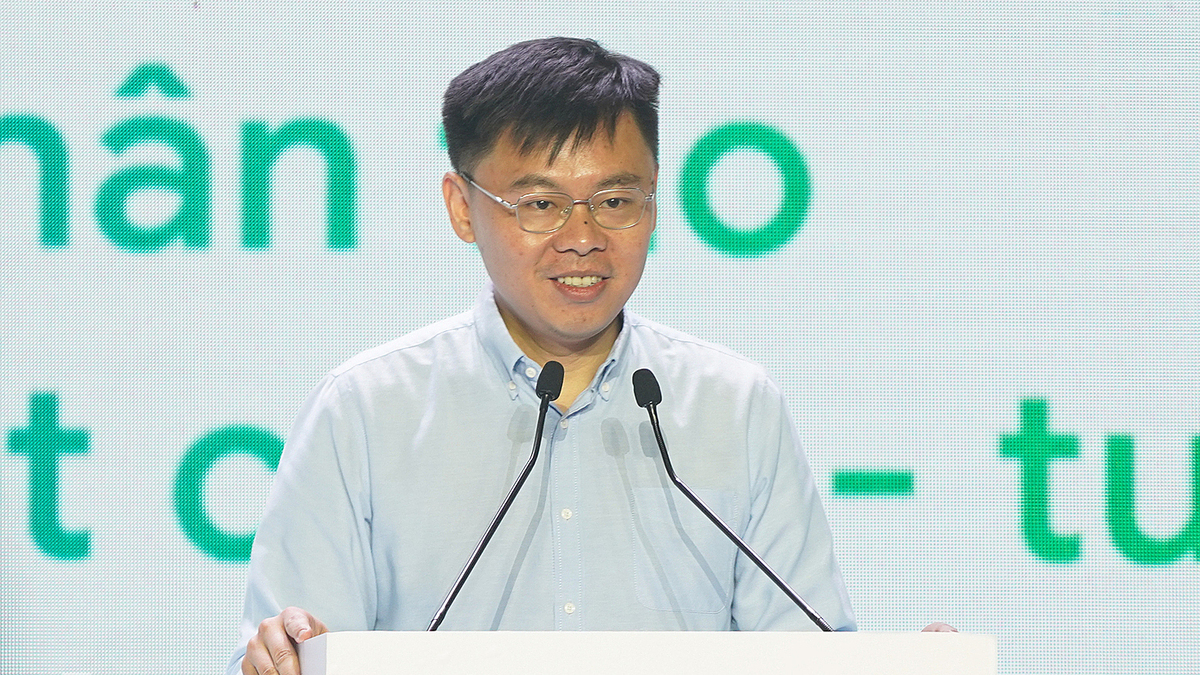
At the event "SAIH: Applied AI Lab Demo Day 2026" on October 8, Mr. Vu emphasized that Ho Chi Minh City always has specific resources and practical topics to accompany businesses and technology startups.
He said the city is promoting the venture capital ecosystem for startups, in which, for some funds, the investment fund puts in one dollar and the city can match one dollar. The ratio can be changed to 1:2 or 1:3 depending on priority. "This mechanism accepts the risky and adventurous nature of technology investment. The State is ready to accompany to create products," Mr. Vu said.
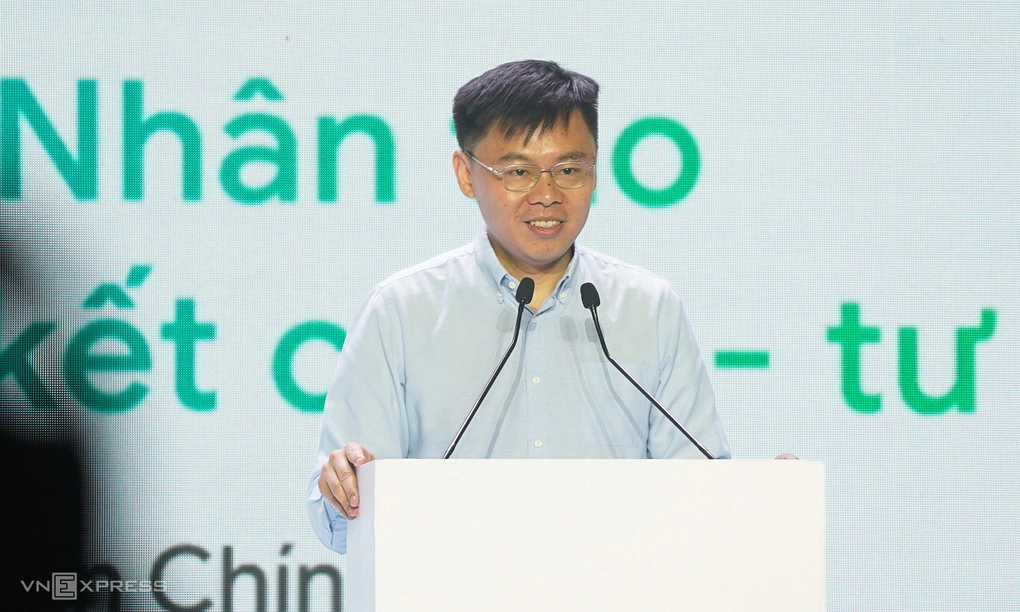
Demo Day 2026 marks the conclusion of Session 1 of Saigon AI Hub (SAIH) after six months. This is the result of cooperation between Ho Chi Minh City National University and VNG company, with support from the AI Futures Fund of Google Labs. 10 research groups were selected to support the study.
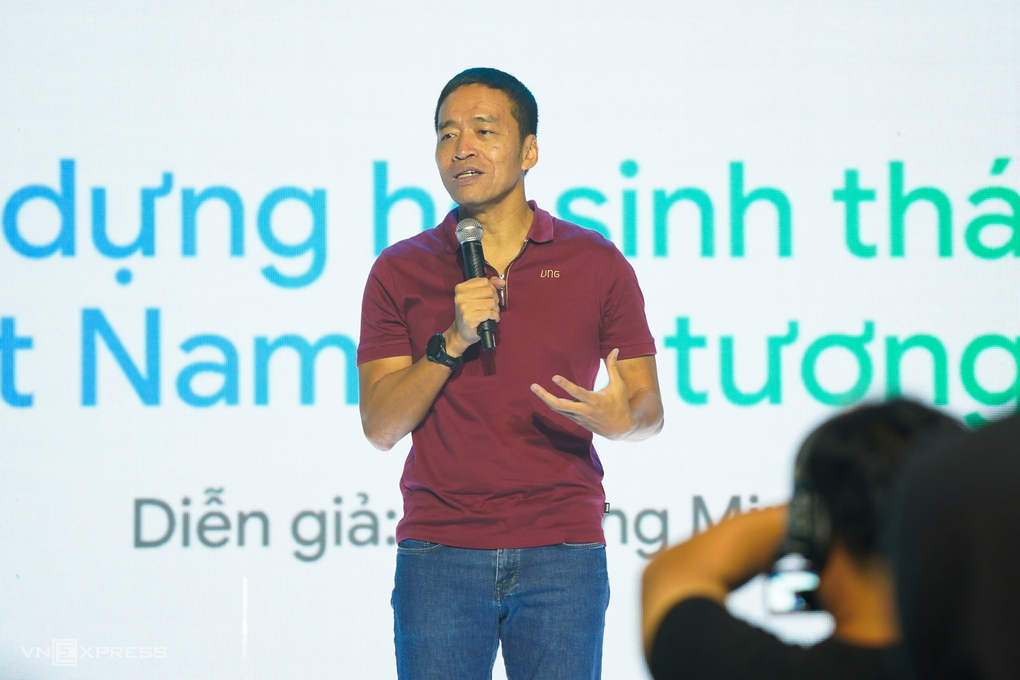
Mr. Le Hong Minh, founder of VNG, likened SAIH to a "gardener", tasked with cultivating "seeds" of AI research. Borrowing this comparison, Mr. Vu said that Ho Chi Minh City will play the role of "soil worker", because "if the soil is good, the seeds can be sown in to germinate and sprout." In that role, he believes that the city will accompany with specific resources.
"Research groups need support to bring products beyond the testing stage, towards commercialization and development into startups and technology businesses," Mr. Vu said. He gave the example of deepfake detection solutions that can be applied in banking, identification and security when developing financial centers; or VR/AR technology can be exploited in new tourism and cultural models in Ho Chi Minh City
Besides capital, the city is preparing computing and data infrastructure for AI problems. The Department of Science and Technology and the Management Board of Ho Chi Minh City Hi-Tech Park have submitted a project to develop AI data centers in the expanded Hi-Tech Park, the new Quang Trung Software Park and centralized information technology parks.
The city is also building a centralized data system, initially including land, land plot, tax and financial data. According to Mr. Vu, this can become a data source to solve AI problems in both the public and private sectors.

According to Mr. Vu, resources are only a part, equally important is the way the problem is posed. The city needs topics derived from real needs, large enough and challenging enough to attract domestic and international researchers and experts. Ho Chi Minh City leaders believe that AI problems should not be limited to the city or Vietnam, but should target problems of large enough scale and value.
"The topic must be big enough and challenging enough for experts from the US to fly halfway around the world to feel excited to sit down and solve it with us," he said.
He also expects that SAIH's research teams will form the next generation of technology businesses, not only with technical capacity but also with the ability to restructure businesses, raise capital and build brands. The city aims to have more large-scale technology businesses, following the generation like VNG.
Many results were achieved after six months of research
Course 1 of SAIH was implemented in April, with 10 research groups and about 50 domestic researchers. At Demo Day, six teams demonstrated live AI prototypes in many fields such as health, computer vision, language, voice and digital safety.
Many highly appreciated studies include AI models to support screening and early detection of colorectal cancer, Speech-to-Text solutions to identify and analyze emotions in diverse voices in Vietnam, and deepfake detection models. Several projects combining AI and drones have begun to move beyond the prototype stage to reach the market.
According to Mr. Le Hong Minh, Course 1 has solved two problems: resources and research speed, but putting products into practice is still a point that needs improvement. The initial topics mostly come from the academic environment, when the research team chooses the issues they are interested in.
From Session 2, they plan to change their approach: businesses, organizations and state agencies will pose practical problems first, then research groups will be selected to solve them. The party setting the problem also needs to provide data and experts with deep knowledge of the field, instead of just providing funding or computing infrastructure.
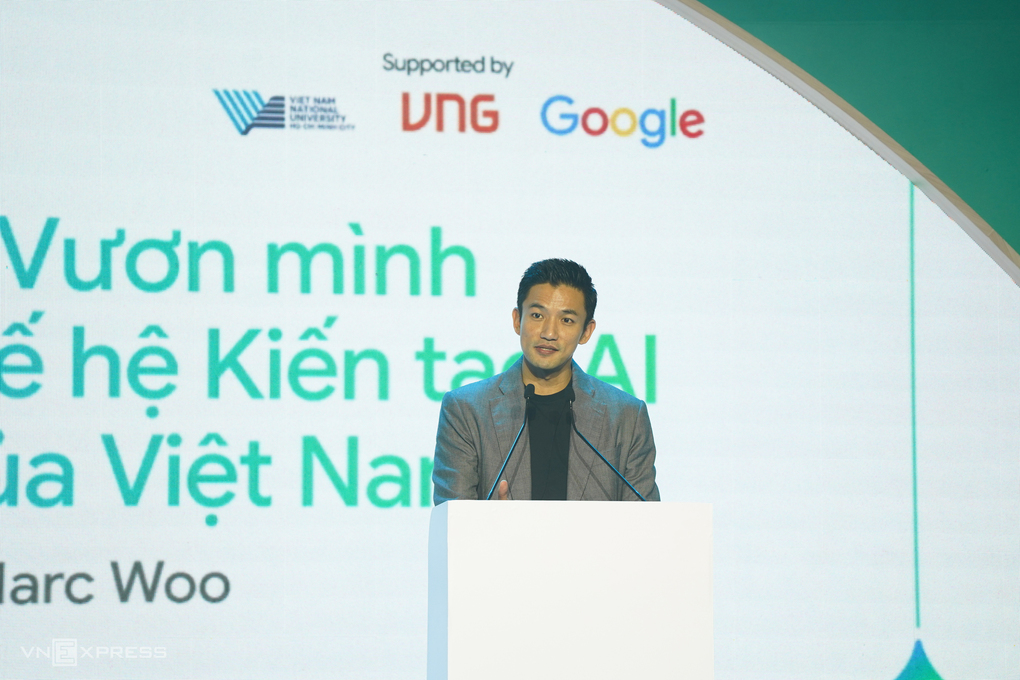
General Director of Google Vietnam Marc Woo assessed that 10 groups of Course 1 have created solutions with commercial potential, from health, language to digital safety. He said that this result shows that Vietnamese researchers can create world-class AI products if given the right resources.
David Benjamin, co-founder of Applied AI Labs at Google, said that the previous barrier for Vietnamese research teams did not lie in talent but mainly in access to computing infrastructure, tools and consultants. The goal of the program is to turn research into practical solutions, serving domestic needs and further developing into global-scale AI businesses.
Luu Quy