Billionaire Bezos: AI will bring back the family model of only one working person
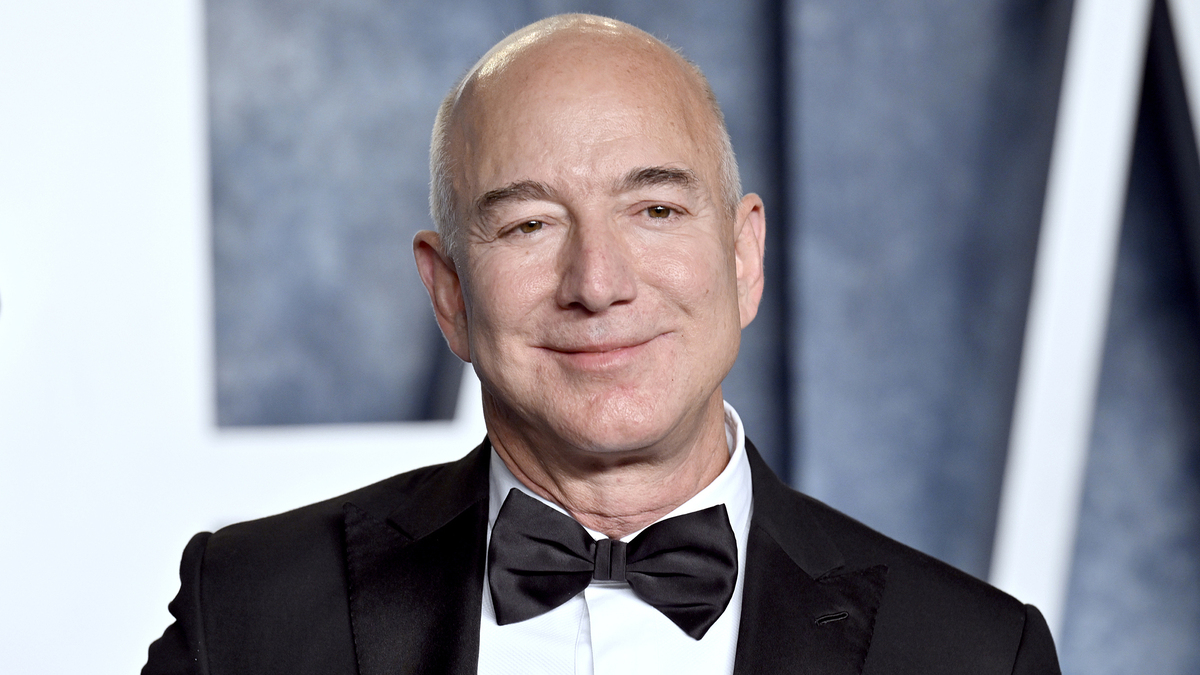
Unlike concerns about AI risks from technology leaders such as Anthropic CEO Dario Amodei or OpenAI CEO Sam Altman, Bezos expressed an optimistic perspective on the economic impact of this technology.
In an interview with Fox News in midweek, the Amazon founder said: "Some people will find that they only need to work three days a week to provide for the whole family. That is what increasing productivity in the economy means."
The billionaire who owns a fortune of about 300 billion USD believes that the abundance of wealth and resources in the AI era even leads to a scarcity of labor. The reason is that many families will return to the one-income model, when only one member needs to work.
"You will not be forced to have a family with two incomes. Recruiting personnel becomes more difficult, because increased economic productivity helps people no longer have to work multiple jobs to make ends meet," he analyzed.

Although he appreciates the long-term potential of AI for society, Bezos also warns investors when capital is rushing into the field. When asked about the risk of an AI bubble, he said it is difficult to give an exact answer at present.
"What I know for sure is that this technology is real and brings good things to society. But this is a complicated problem for investors. When every experiment is funded, both good and bad ideas, it is difficult to distinguish which projects are truly effective in this chaotic period," he added.
According to Fortune, Amazon, the corporation founded by Bezos in 1995, plans to spend more than $200 billion on capital expenditures this year, mostly on AI data center infrastructure. Meanwhile, his space exploration company Blue Origin has just successfully raised $10 billion at a valuation of $140 billion, serving its ambition to build a data center in space.
Jeff Bezos' prediction adds to a series of comments from the world's leading corporate leaders that AI will help cut working hours for workers. Jensen Huang, CEO of Nvidia, also previously said that AI is likely to bring the economy to a four-day working week. Jamie Dimon, CEO of JPMorgan Chase, says future employees may only need to work 3.5 days a week.
Bill Gates, founder of Microsoft, even proposed a two-day work week scenario with the help of automation. Elon Musk, owner of Tesla and SpaceX, further predicts that within the next 10-20 years, the development of AI and robots will bring society to the era of "high income for all", turning going to work into a voluntary choice instead of a mandatory requirement to survive.