The application helps fishermen rescue 24 sea turtles
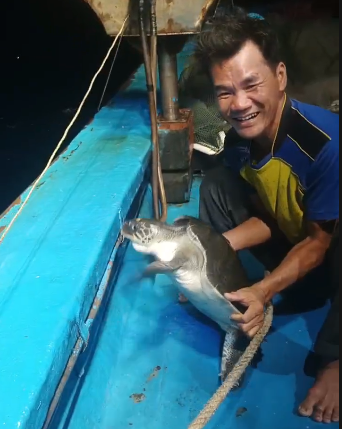
24 sea turtles include 3 hawksbill turtles, 13 pineapple hawksbill turtles and 8 turtle turtles. These are all rare species that are suffering many impacts from fishing activities and marine environmental pollution.
The results were announced at a preliminary conference on the model of volunteer fishermen monitoring, reporting and rescuing sea turtles and marine mammals organized by Gia Lai Provincial Fisheries Association in coordination with the International Union for Conservation of Nature (IUCN) on June 30.
According to the Provincial Fisheries Association, from the beginning of the year until now, the unit coordinated with IUCN to organize 9 training classes for about 400 fishermen and officials of coastal communes and wards on the conservation of sea turtles and marine mammals, and at the same time guided the use of the "Fisherman Volunteers" application. To date, 65 fishermen have installed the application, 90 people have joined the Zalo group of marine conservation volunteers.
Through the application, volunteers submitted 45 reports, including 31 cases related to sea turtles, 7 cases of marine mammals and 7 reports on plastic waste collection activities at sea.
Ms. Bui Thi Thu Hien, in charge of IUCN Vietnam's Marine and Coastal Program, said the application creates a direct connection channel between fishermen and management agencies. When discovering sea turtles or marine mammals caught in nets or hooks, fishermen just need to use their phones to record images, videos, locations, coordinates and send them to the system. Data is updated almost instantaneously, helping authorities receive information, monitor the current status and build a database for conservation work.
According to Ms. Hien, the greatest effectiveness of the model lies not only in technology but also in changing the awareness of fishermen. Instead of viewing the release of sea turtles into the wild as a single action, many people have proactively recorded, reported and shared information to support management.
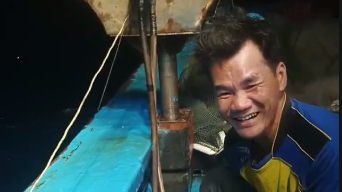
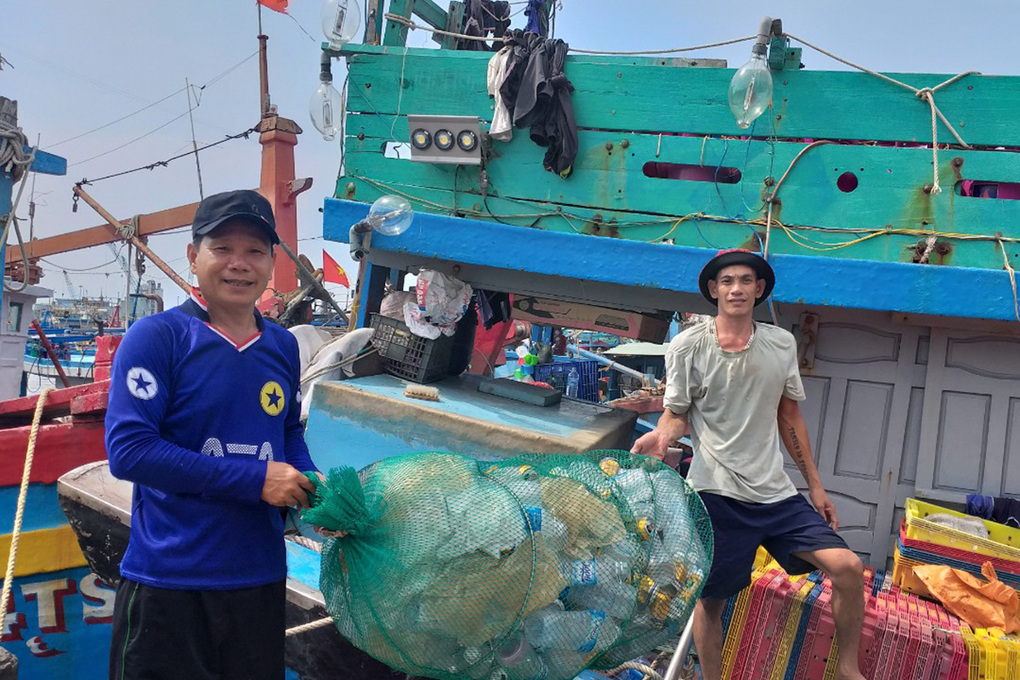
Mr. Le Van Hoi, owner of a fishing boat in Hoai Nhon ward, is one of the most active volunteers. In the first 6 months of the year, he sent 11 reports on sea turtles, marine mammals and plastic waste, and directly rescued 4 sea turtles caught in nets or hooked. He also guided many other crew members and fishermen to install and use the application.
Meanwhile, Mr. Nguyen Ngoc Hieu, owner of a fishing boat in Cat Tien commune, said he rescued and released 7 sea turtles back into the sea during the process of seafood exploitation.
"Previously, we still released sea turtles but there was no way to record them. Now with the application, all information is immediately reported to the authorities. The fishermen's actions are also recorded, so everyone has more motivation to participate in protecting rare species," Mr. Hieu said.
According to the organizers, the model initially helps increase coordination between fishermen and management agencies in monitoring endangered marine animals, while also contributing to meeting the requirements of reducing unintentional exploitation of marine animals. However, the implementation still faces some difficulties when the number of fishermen using the application is still low compared to the number of people who have been trained; Many older fishermen are not used to using smartphones, while the Internet signal at sea is not stable, affecting reporting.
Gia Lai Provincial Fisheries Association said it will continue to coordinate with IUCN to expand the volunteer network, upgrade applications and promote propaganda, to attract more fishermen to participate in the conservation of sea turtles and marine mammals and work towards sustainable fisheries development.
Ai Trinh