Vietnam needs a shared chip development laboratory
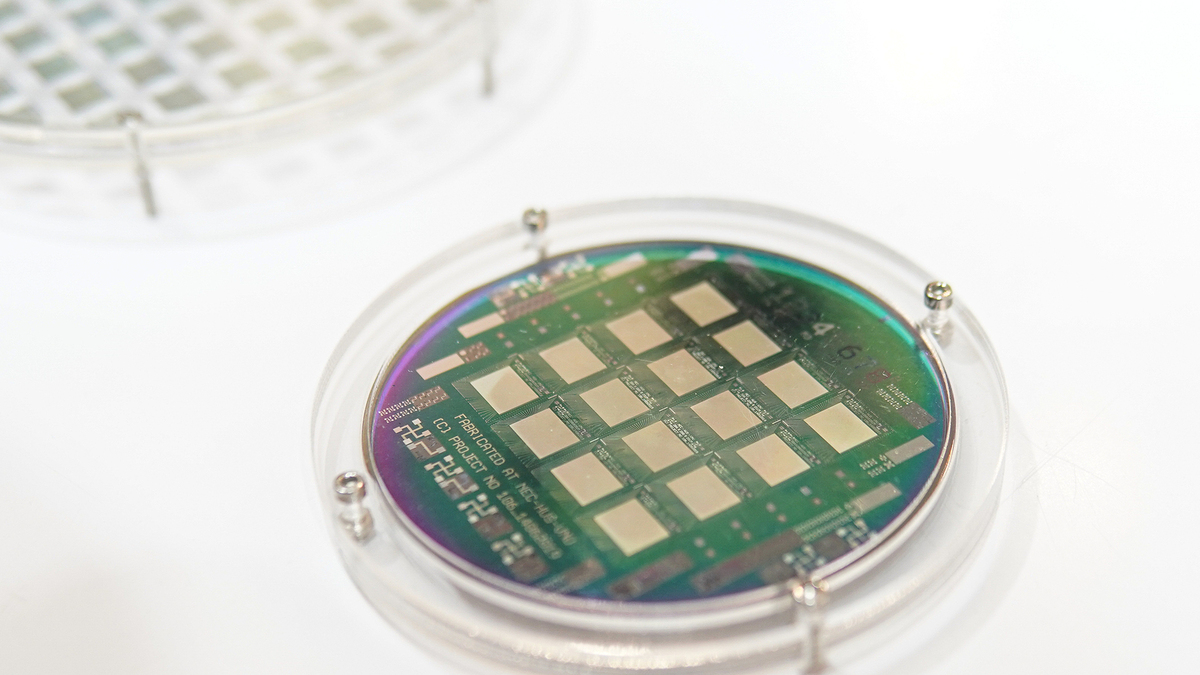
At the semiconductor forum organized by the National Innovation Center (NIC) on the morning of August 13, Associate Professor Huynh Dang Chinh, Deputy Director of Hanoi University of Science and Technology, said that semiconductor human resource training must take place in a "semiconductor environment", with laboratories, shared equipment and the participation of businesses.
He hopes that Vietnam will soon have the first shared laboratory for semiconductors so that schools can train in a real-life environment instead of just focusing on theory.
Prof. Dr. Tran Xuan Tu, Director of the Institute of Information Technology - Hanoi National University, also proposed building research centers and shared laboratories. Instead of each school, institute or business investing entirely on its own, such a laboratory can concentrate resources and expand the number of units with access to equipment.

From a business perspective, Mr. Nguyen Van Khoa, General Director of FPT, said that the characteristics of semiconductor equipment are large investment capital, rapidly changing technology and high operating costs, so investment should not be spread out. He proposed building a nationwide shared semiconductor infrastructure network, supporting chip trial production.
"FPT is willing to jointly invest in building shared laboratories, focusing on error control, new product and chip evaluation, and reverse engineering," he said. He is especially interested in reverse engineering, used to check whether chip packages and designs used in Vietnam ensure security or not.
In fact, such a model is being prepared by NIC to deploy in Hoa Lac (Hanoi). NIC and Thermo Fisher Scientific have signed a memorandum of cooperation, planning to develop a shared semiconductor and biomedical laboratory according to international standards. Mr. Vo Xuan Hoai, Deputy Director of NIC, said the project targets businesses, startups, research institutes and universities, serving research, product development, technology testing and human resource training.
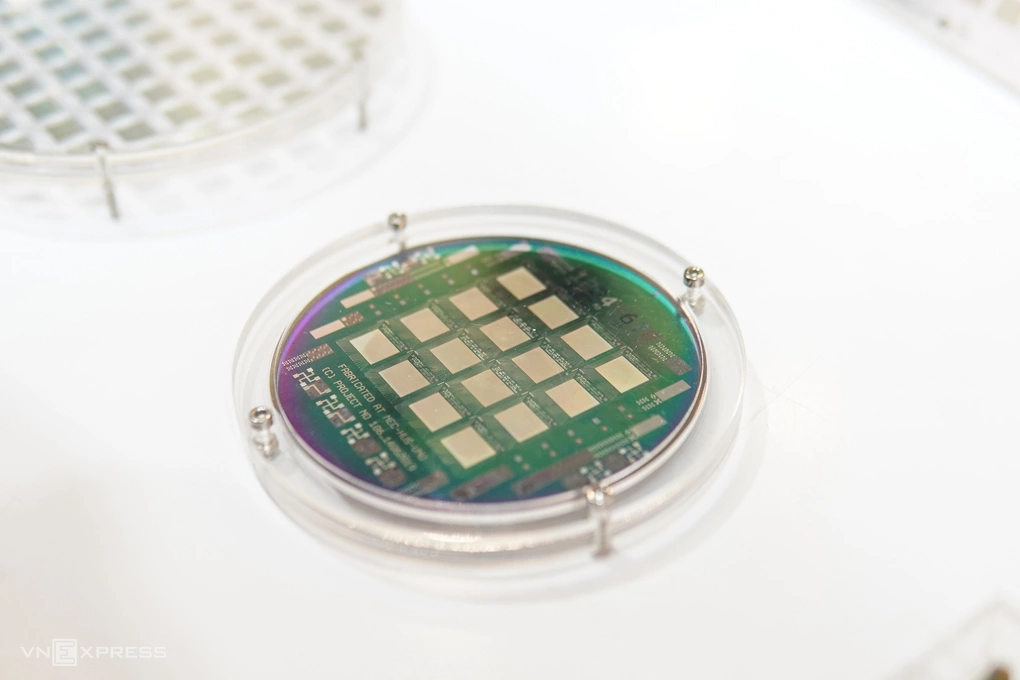
From experience in deploying laboratories in many countries, Mr. Gianluca Pettiti, President and Chief Operating Officer of Thermo Fisher Scientific, said that Vietnam needs to promote investment in research infrastructure, technology, human resources and increase the ability to connect between research and businesses.
Semiconductors are one of 10 strategic technology groups issued by the Government in May. In the list of 30 strategic technology products that Vietnam prioritizes for development, semiconductor chips are also classified as a foundation group for the future, creating new growth drivers and ensuring autonomy in security and defense.
Trong Dat