[WOW] How does sheep deal with its wool if not cut by humans?
![[WOW] How does sheep deal with its wool if not cut by humans?](https://photo2.tinhte.vn/data/attachment-files/2020/07/5079478_Cover_Chris.jpg)
If humans could not shave their wool, how would sheep handle their own wool? I suddenly remembered the incident of a sheep being rescued with a huge coat of wool. If not saved in time, it would die. From here, I learned more about whether sheep molt their wool on their own or if they have to have a human cut their wool.
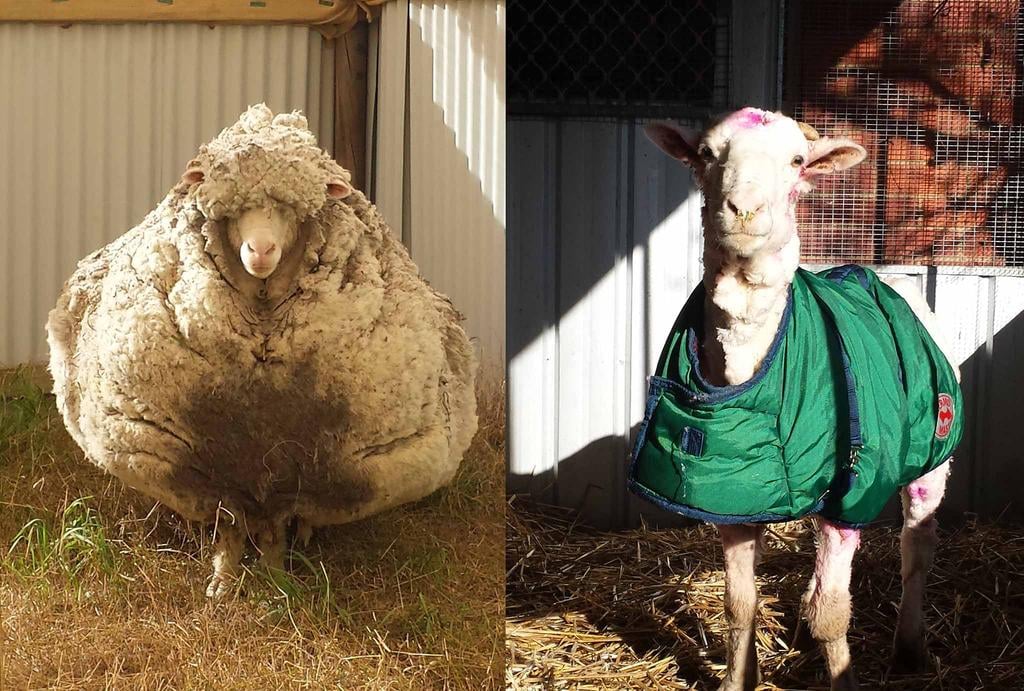
The story is that in December 2015 in Canberra, Australia, a sheep named Chris got lost and when discovered by a hiker, he had huge fur that covered his eyes. Chris was quickly sheared and the fur weighing up to 40 kg was obtained. It took up to 45 minutes to remove the fur from Chris, when normally the fur removal process only takes about 30 seconds. So why does Chris the sheep not lose its hair but has to "suffer" with such huge fur? Chris is a Merino sheep, which is a breed of sheep that specializes in making wool, and wool from Merino sheep is famous for its softness. Merino is a sheep breed with high economic value so it is widely raised in Europe and Australia. In the 13th and 14th centuries, Spanish shepherds crossed native sheep with English sheep and the result was the Merino - a breed of sheep not suitable for living in the wild. Because this breed of sheep cannot shed its hair every year - an important survival feature for sheep in the wild, Merino sheep cannot live without humans. They need people to cut their fur, each animal can give from 4.5 to 20 kg of fur per year.
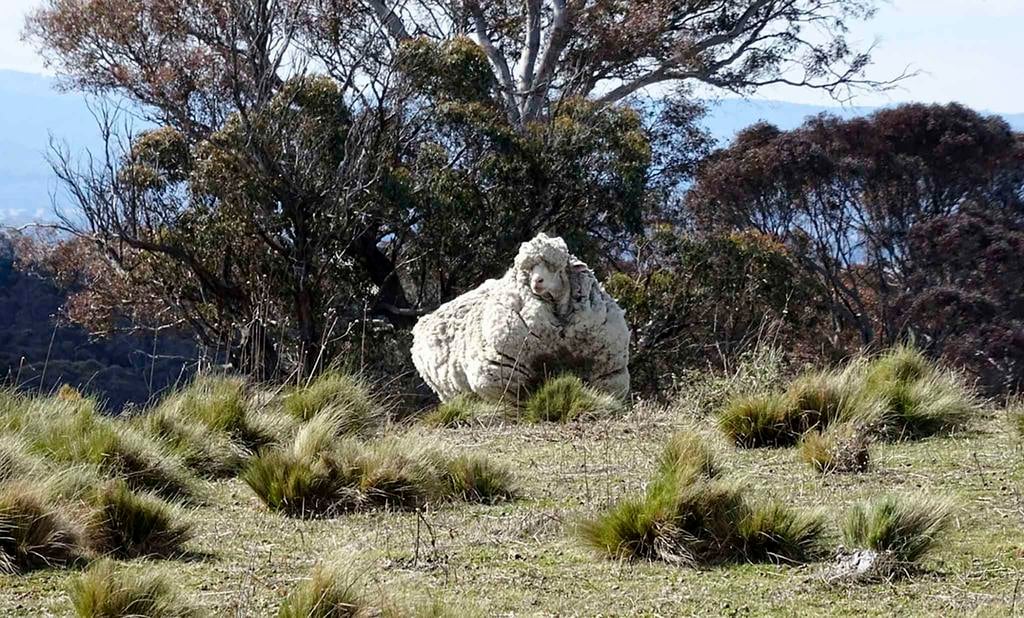
Because he is a Merino sheep, Chris had a problem: he was lost in the wild for up to 5 years and his fur kept growing. This is exactly what every sheep farmer wants but it is a disaster for the sheep themselves. Thick, untrimmed fur can cause a Merino sheep like Chris to die due to the risk of infection or even being unable to defecate. The story of Merino sheep lost in the wild is not uncommon. In 2004, a sheep named Shrek was found living alone in a cave in New Zealand for 6 years. Shrek carries fur weighing 27 kg.
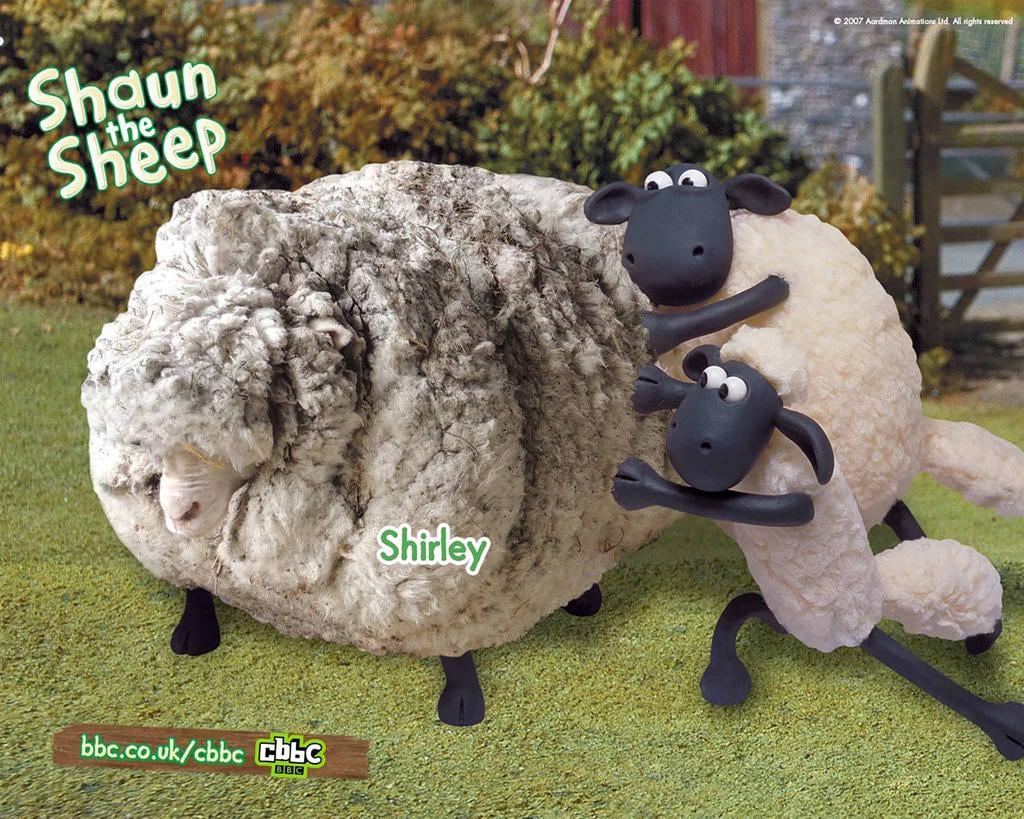
So the sheep we see with funny fuzzy fur turn out to be Merino sheep - a breed of sheep that specializes in wool and is a hybrid product created by humans. Maybe the silly sheep in Shaun the Sheep are also of the Merino breed 😆.
So what about other sheep? Do they molt themselves or do they need to be sheared by humans?
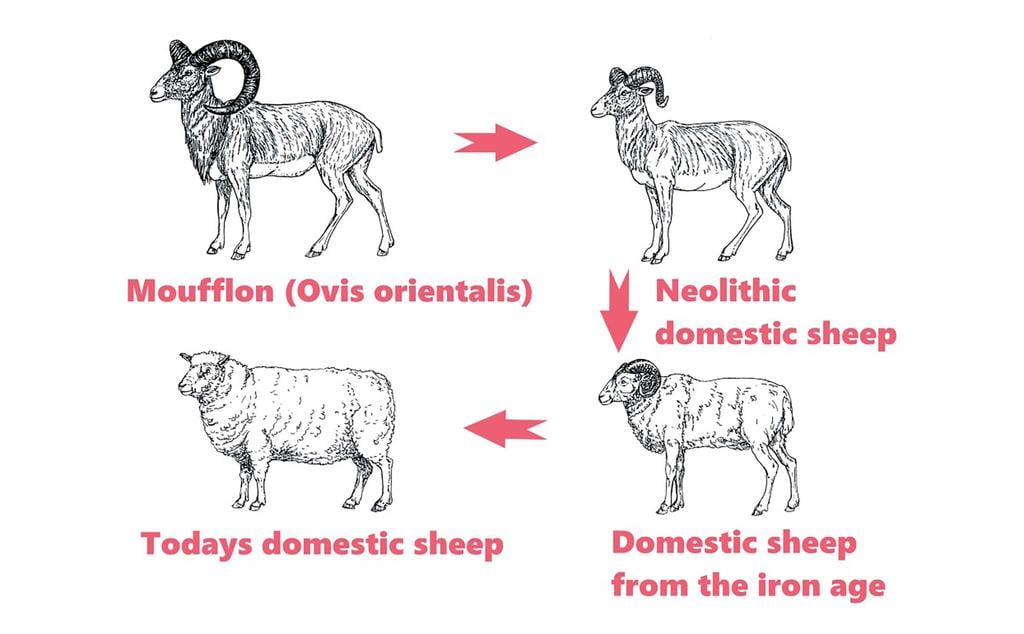
Sheep were domesticated by humans from about 11,000 - 9,000 BC, starting with the wild Mouflon sheep in Mesopotamia - a land in Western Asia today including Iraq, Kuwait, eastern Syria, southeastern Turkey and the area along the border below Turkey - Syria, Iran - Iraq. Sheep are also one of the first animals domesticated by humans. The Persians raised sheep for meat, milk and leather, and by about 6,000 BC, sheep were raised for wool. People began to take sheep's wool for survival purposes, which helped keep people warm so they could get through the harsh winters. Plant fibers are not warm or waterproof, and animal skin is not soft and does not insulate well. Wool from sheep became a part of Persian culture and was a typical commercial product. From here, sheep wool is exported to Africa and Europe, now becoming a very important fiber for humans, it is natural, reusable, and compostable. And before there were modern machines to trim hair like now, in ancient times with primitive sheep breeds, people got their hair by "plucking" it by hand or harvesting it in the field when the wool fell naturally. Since then, humans have bred many breeds of sheep to serve many purposes such as fur, meat, and milk.
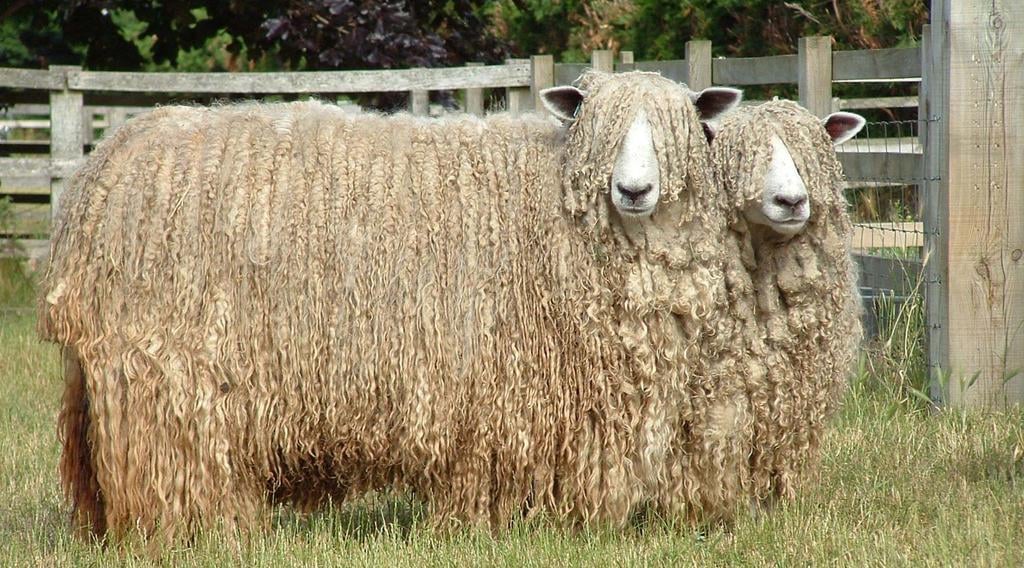
Most breeds raised for fur are only suitable for farm environments because they have been bred to have year-round fur - in other words, they cannot live without human hands. Each breed of sheep has different wool characteristics and produces different types of wool. Besides Merino, there are many breeds that specialize in making wool such as Romney sheep, Lincoln sheep with the longest and heaviest wool for spinning and weaving (pictured above), Teeswater sheep with long wool with large fiber diameter, long-haired Leicester sheep, Corriedale sheep, a cross between Merino and Lincoln sheep...
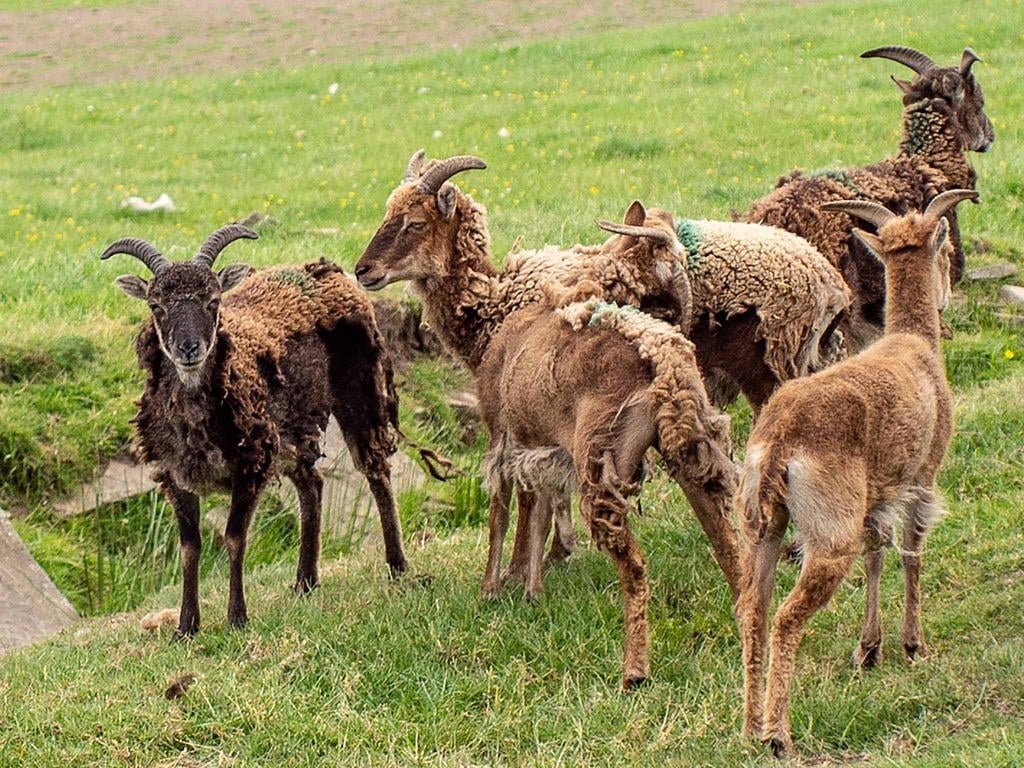
Only a few primitive sheep breeds still retain their natural molting properties and are still being raised. Typically, semi-wild sheep breeds of Scottish origin such as the Boreray sheep mainly for meat, naturally moult, or the Soay sheep breed with characteristic dark fur, self-moulting (photo above).
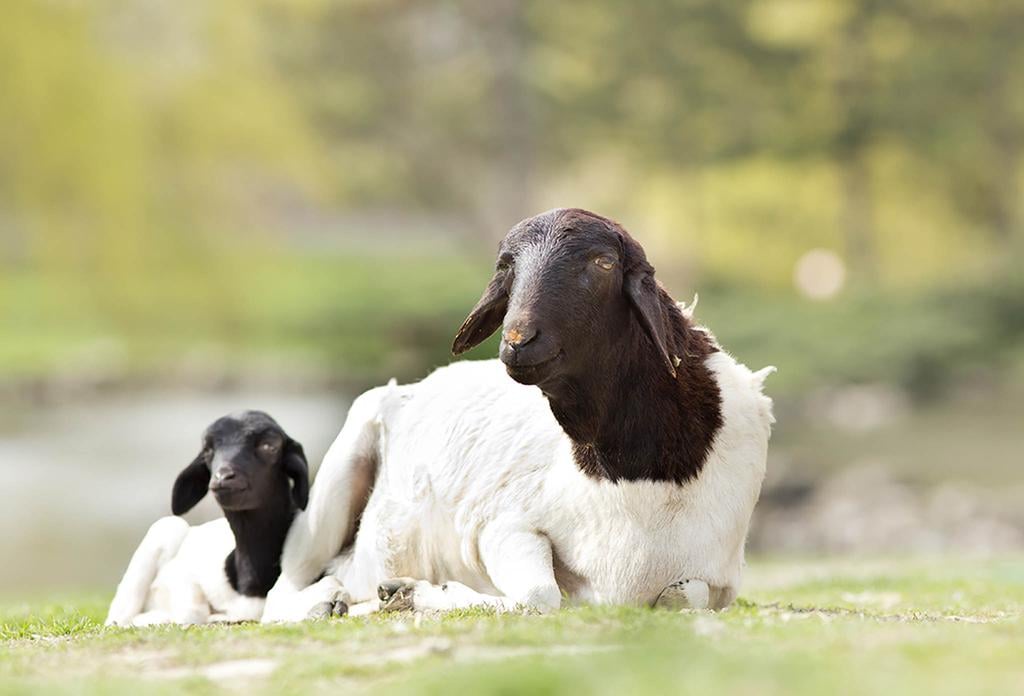
In addition, many sheep breeds are bred to produce only meat and milk, so their wool is not as developed as Merino sheep. Such as the Katahdin short-haired sheep originating in the state of Maine, USA, the Dorper sheep originating from South Africa, the Blackbelly sheep related to wild mountain sheep found in the Mediterranean basin, the small Croix sheep, the Persian black-headed sheep popular in Africa and many other African sheep breeds with short, soft hair to adapt to the environment such as West African dwarf sheep, Maasai red sheep, ...
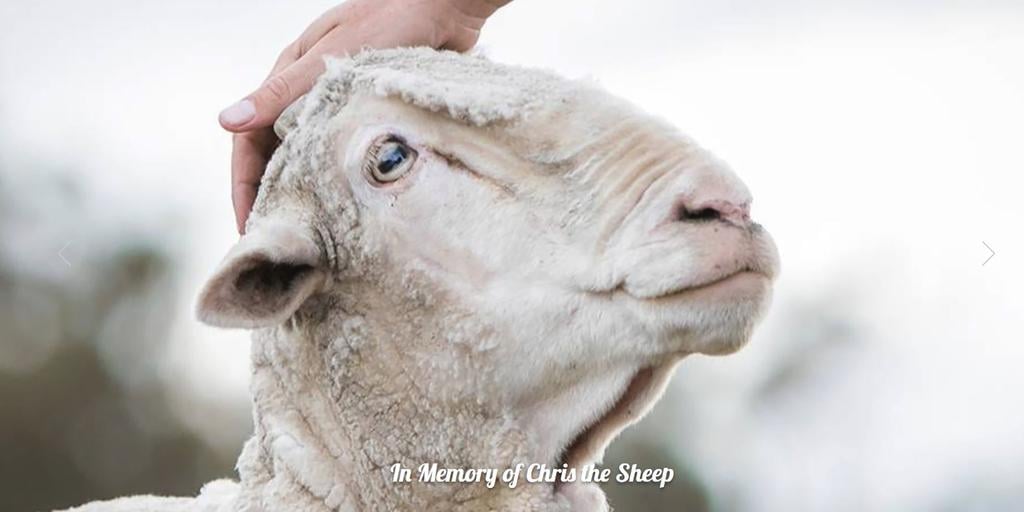
In short, sheep have lived close to humans for a long time and for those of you who raise sheep for their fur, please don't stray, without humans cutting their wool, you won't poop 😂. Chris the sheep with a fleece of up to 40 kg has set a world record for "The heaviest fleece cut from a sheep". Sadly, Chris passed away last October, he was almost 10 years old. Everyone remembers Chris as a resilient sheep because he lived alone among kangaroos with fur weighing nearly twice his body weight for 5 consecutive years 😥.