How Steve Jobs Turned a Mac Export Ban Into a Marketing Win
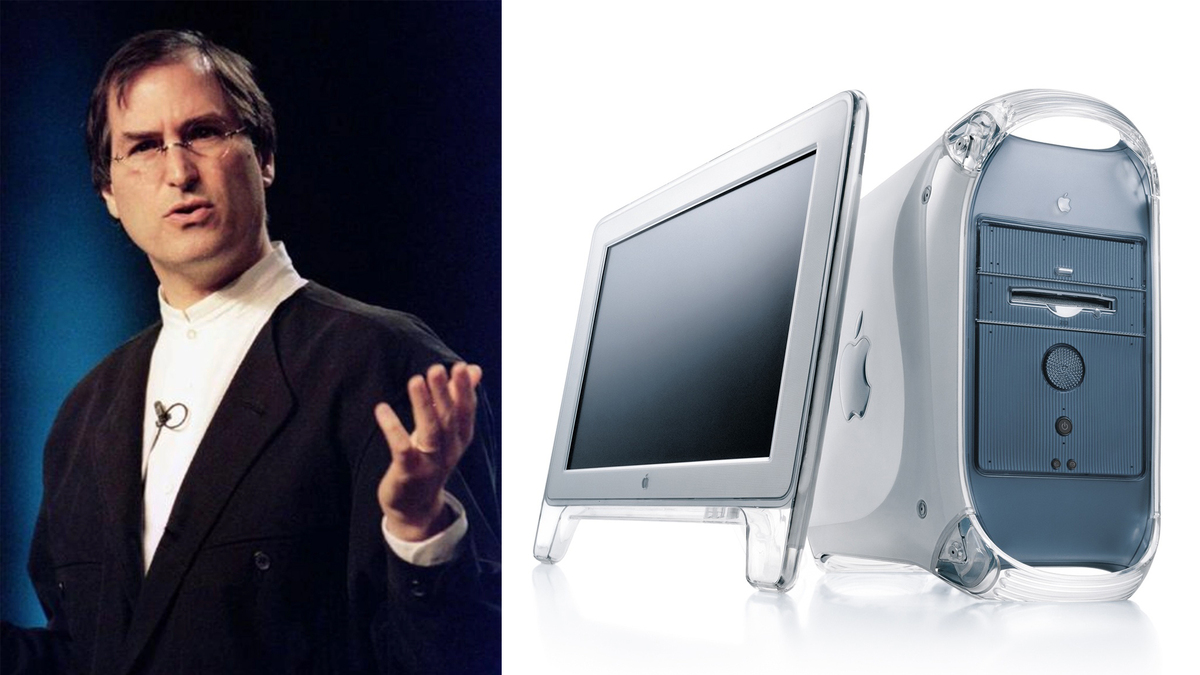
In August 1999, Steve Jobs unveiled the Power Mac G4 with the bold claim that it reached one gigaflop, a billion floating-point operations per second. For the era, that figure was staggering, placing a desktop machine in the same conversation as a supercomputer.

That power created an awkward problem. The G4's performance crossed the threshold the US government set for technology that could serve military purposes. As a result, the machine fell under export controls, restricting sales across more than 50 countries.
Turning an obstacle into a badge
Most companies would have buried a complication like this. Jobs did the opposite. Apple released a video showing a tank circling the Power Mac G4, with the message that for the first time a personal computer had been classified as a weapon by the US government.
For the first time, a PC was branded a weapon by the US government, and Apple wore it as a point of pride rather than embarrassment.
Alongside the campaign, Apple joined nine other firms to form the Computer Coalition for Responsible Exports, lobbying the Clinton administration to ease the restrictions.
This blend of clever messaging and direct advocacy helped Apple sustain average Mac sales of roughly 3.5 million units per year between 1994 and 2005. Business Insider recently revisited the episode while discussing export limits tied to Anthropic, a sign that Jobs's playbook still holds lessons today.