Chatbots are causing a stir because real people answer instead of AI

At the end of July, a billboard appeared in San Francisco, introducing the "AI" chatbot ChatTJB. However, below there is a small note, hidden behind a tree canopy, saying "AI" here does not mean artificial intelligence, but the average individual.
That "individual" is Tucker Bryant, 32, a former project manager at Google and now a speaker and artist. Most of the commands sent to ChatTJB were responded to by Bryant. However, after the new service attracted great attention, he had to ask volunteers for support.
Bryant shared with Wired, ChatTJB launched in April, but when a $6,000 billboard was erected in San Francisco, the chatbot became a sensation. As of August 6, it attracted more than 30,000 queries. At its peak, Bryant received about 5,000 requests per hour.
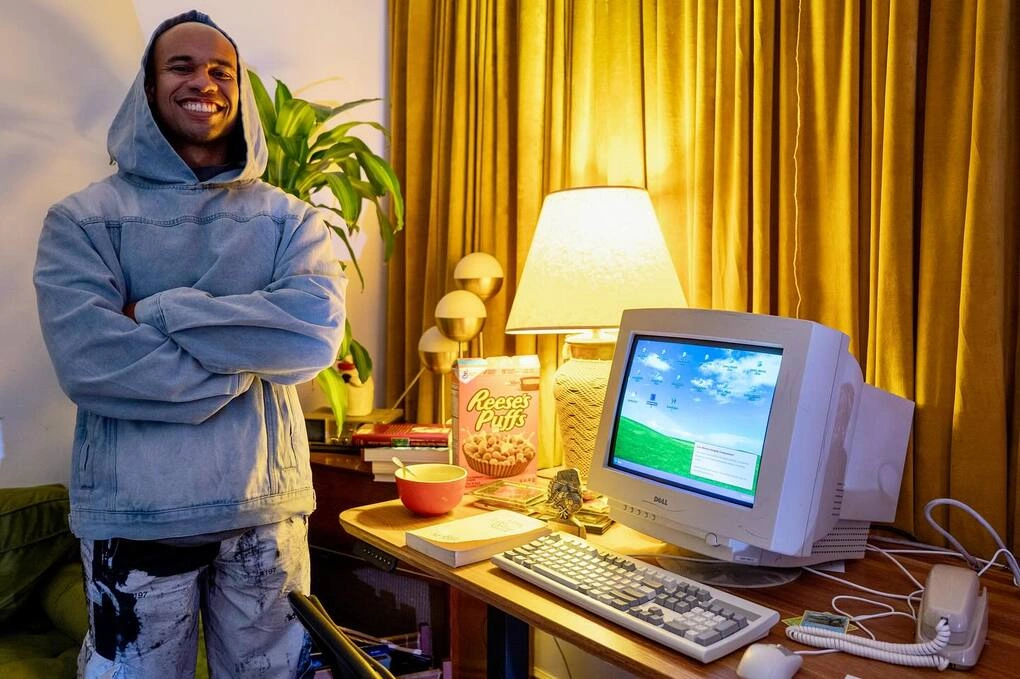
Bryant initially considered this an art project and only planned to deploy it for a few days. However, he decided to maintain it when he witnessed the enthusiasm of users. More than 3,000 people signed up to volunteer and he selected 10 people to support.
Speaking with Futurism, Bryant said he was inspired to create ChatTJB after his lover mentioned "cognitive surrender" - a term that appeared in research from the University of Pennsylvania, which concluded that users are prone to blind trust in AI advice, even when inaccurate. Bryant found he also experienced this when interacting with chatbots. So he created ChatTJB as an act of satire, injecting inconvenience and unpredictability into a chatbot-like service.
"We often, or increasingly, trust the output of large language models (LLMs) to the point that we stop injecting creativity or critical thinking into the answers we receive. Over time, that undermines our ability to be fully capable autonomous human beings in this world," he said.
ChatTJB answers everything from house paint colors to low self-esteem, creating custom images in the form of Bryant's sketches.
"Unlike ChatGPT, my responses are often slow. They can be inaccurate, or accurate but very confusing," Bryant told USA Today. "I want you to have such an uncomfortable experience with something that looks so much like AI that the next time LLM gives you a seemingly reasonable answer, you'll remember the time ChatTJB answered a tax question with a haiku about crows."
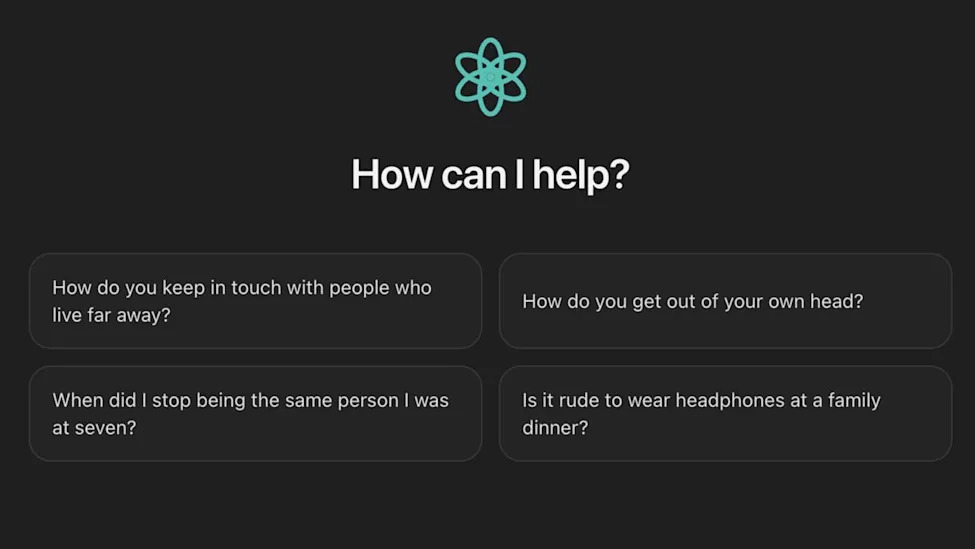
Users can ask and answer for free, or support the project by subscribing to the ChatTJB Pro package for 5 USD per month, although the website clearly states that the package has "no value", meaning it does not help them receive faster responses. As of early August, Bryant said there were about four people signed up for the Pro plan.
However, he did not create ChatTJB to make money. "I really just want people to reconsider their relationship with technology, as well as between technology and the world," he shared, adding that if people can take a moment to stop and think about the information that "fluent-speaking chatbots" give, then his mission is accomplished.