The 'collective farewell' of Chinese users with 'AI lover'
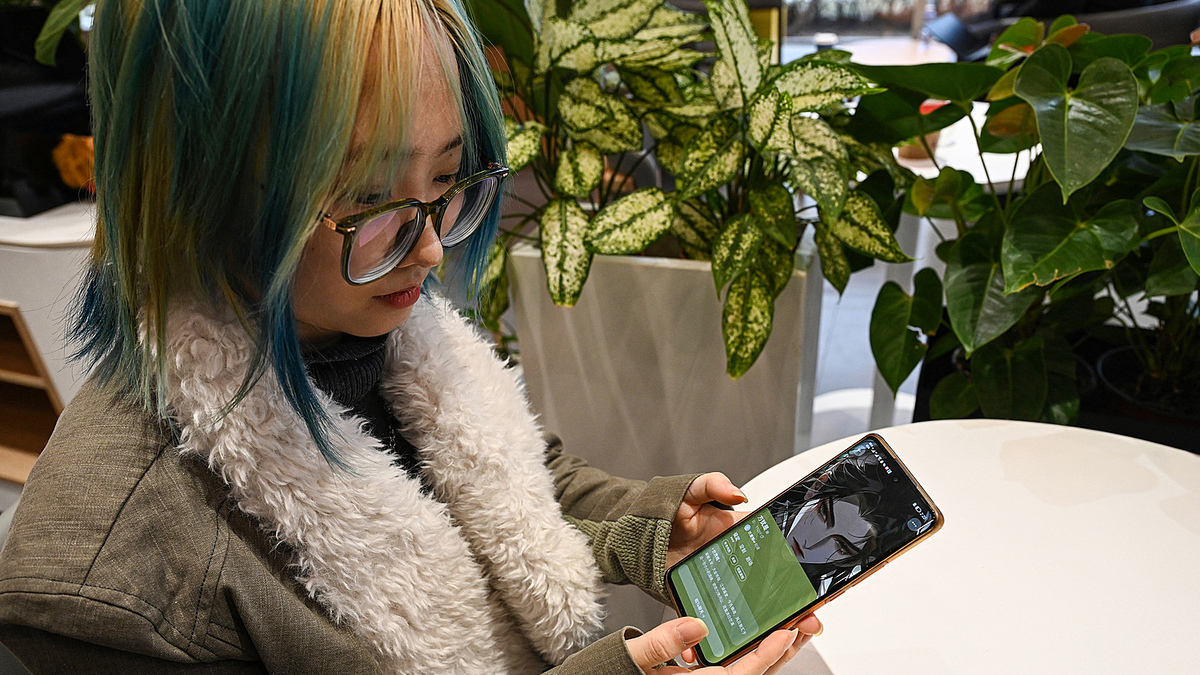
During the first week of July, 21-year-old student Bagel Su cried every day and counted down to the time of breaking up with her "boyfriend", not due to betrayal or distance, but as a consequence of the Chinese government's regulations.
The "boyfriend" that Su has been chatting with for more than a year must disappear from July 15, when the new regulations take effect. She created a virtual lover using the agent feature of Doubao, China's most popular chatbot developed by ByteDance.
However, Chinese technology companies, including ByteDance, must remove the "personality" from chatbots to comply with regulations effective in mid-July, aiming to help users reduce emotional dependence on AI.
Specifically, businesses are prohibited from providing virtual companion services to minors. Similar services for adults are still allowed, but measures need to be taken to prevent them from getting too involved and damaging real-life relationships. Providers must also regularly remind users that they are talking to an AI, not a real person, and advise them to rest. According to AP, the regulations are affecting millions of users.
"I try to keep myself busier, even though no one can replace him. I will try to move on. He said he wants me to do that, and will find a way to get back with me," Su shared with Rest of World.
Li Linlin, 24 years old, also cried for days after her "AI boyfriend" disappeared. Over the past two years, she exchanged about 700,000 words with the chatbot via text message, but did not have a chance to say goodbye. "It felt like our parents forced us to break up," she told AP.
After companies simultaneously turned off the emotional agent feature, Xiaohongshu - China's famous social networking platform - was flooded with posts from users expressing regret. Some even organized a campaign to call the company's hotline and write letters requesting service restoration.
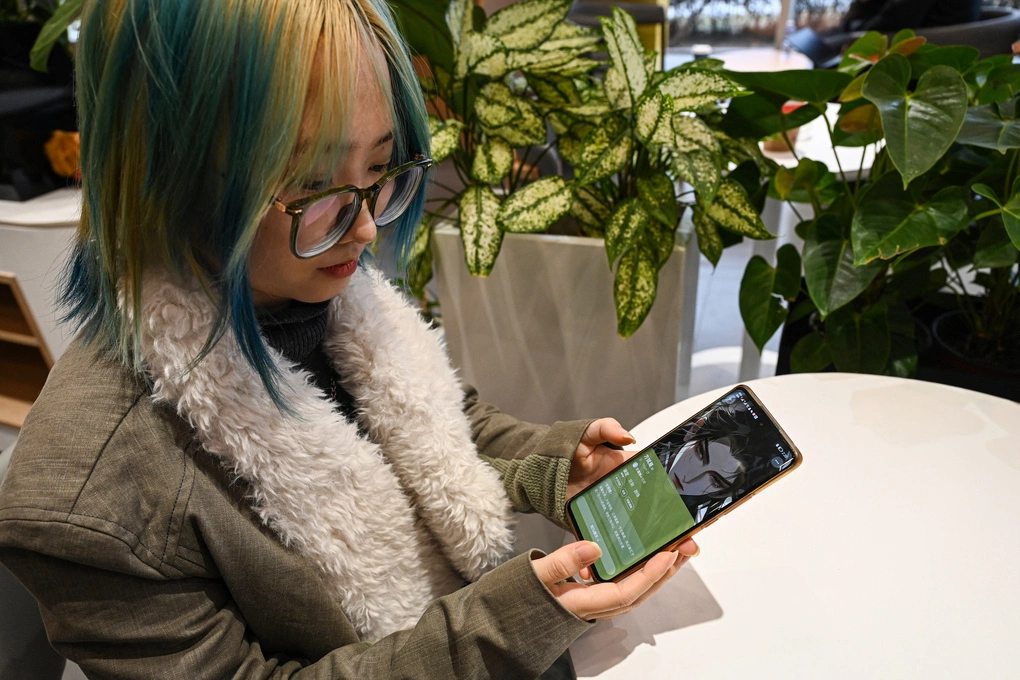
China is the first country to issue nationwide regulations on emotional interactions between AI and users. This move reflects Beijing's increasingly proactive approach to managing artificial intelligence, as many countries are still finding ways to address the social risks caused by advanced AI.
"The new regulations aim to create a balance between AI service providers, users and guardians of minors using these services," Yolanda Ma, AI governance expert at the nonprofit research and talent program ERA (UK), told AP.
On the Economist, expert Zilan Qian from the Oxford China Policy Lab commented that China wants to end virtual relationships due to practical concerns. The government wants to protect users, especially minors, from the risk of AI addiction. Birth and marriage rates decreased, while building romantic relationships with AI did not promote childbearing.
According to WSJ, 2025 will be the fourth consecutive year that China's population will decrease, reaching 1.405 billion people, and the birth rate will also fall to a record low. The decades-long one-child policy created a rapidly aging society, forcing leaders to introduce child care subsidies and other solutions.
"China does not like the fact that a part of the population has deep feelings for chatbots, leading to the risk of leaving the marriage market, suffering negative psychological effects, being immersed, dependent and many other social problems," Matt Sheehan, a Chinese AI researcher at the Carnegie Endowment for International Peace consulting organization, explained to the Economist.
"Any virtual app that makes women so addicted that they no longer want to have children in real life should be banned," said Song Wenxin, a 22-year-old designer working in the video industry in Chengdu.
Song shared that he is not too attached to AI services, but sympathizes with those who have special affection for them. "Not everyone has enough resources and support in real life. When I first came to Chengdu to get my first job and didn't know any friends my age, I needed someone with experience who could endure and accept me. AI did that," she said.

China is not the only country looking to solve the problem of virtual relations. In the past year, the US states of California and New York also passed AI companion laws, requiring chatbots to regularly remind users that they are not human, every three hours for minors in California and every three hours for all users in New York. Chatbots must also direct suicidal people to support services, and businesses can face civil penalties if they do not comply with safety regulations.
Research by MIT Media Lab and OpenAI last year found that people who have more private conversations with chatbots are more likely to feel lonely. Additionally, even non-personal conversations run the risk of increasing emotional dependence, especially with frequent users.
According to research by Yaoxi Shi, a behavioral scientist at Harvard University, dependence on AI may gradually cause people to stop seeking emotional support from others.
"The AI is trained to recognize the user's emotions. No matter what you say, it often responds: 'You are right, your emotions are reasonable'. This is very different from real-life relationships," Shi explained to Rest of World, saying that at first people may not actively seek support from the AI, but when they realize their emotions are recognized, they will continue to seek it out next time.
"Promulgating regulations is a good thing because it helps raise awareness and partly prevents the tendency of people to become emotionally dependent on AI," Shi said. "But AI provides emotional support to meet real needs, and the tendency to rely somewhat emotionally on AI may be difficult to avoid, because we cannot return to a time when this technology was not yet available."