Drought challenges the Panama Canal
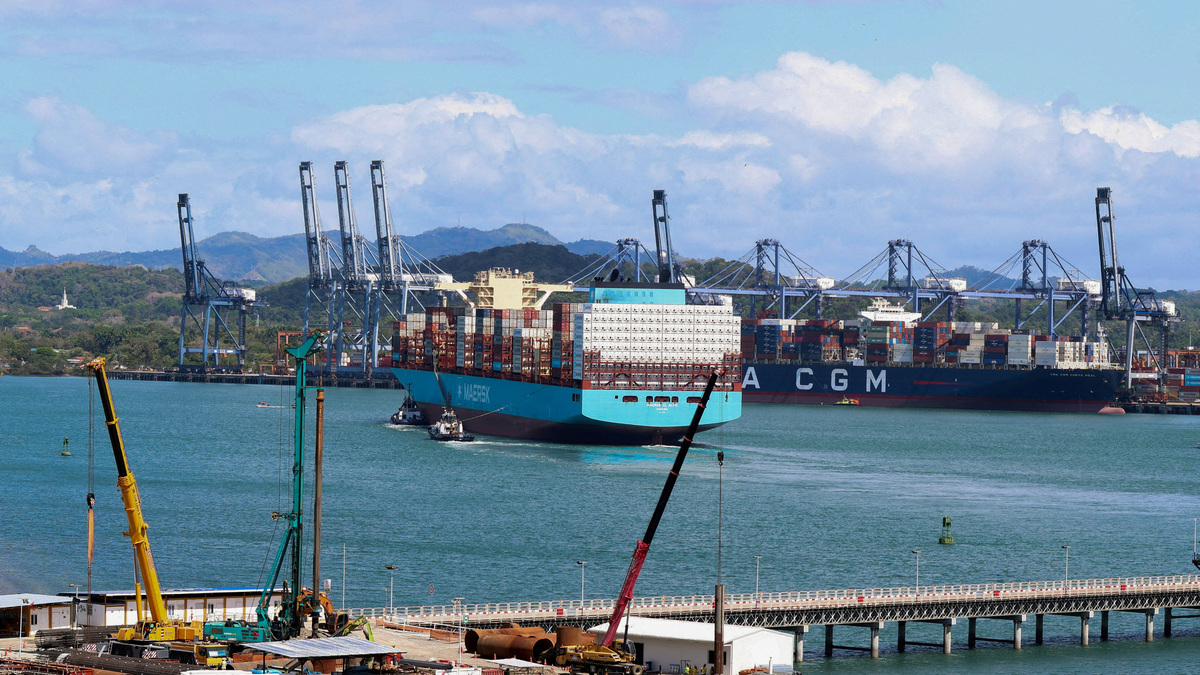
AFP reported that the Panama Canal Authority will limit the number of ships passing through this important waterway from September 4. Ship traffic through the canal decreased from the normal level of 36 trips/day to 34 trips/day, then continued to decrease to 32 trips/day to save water. This is the second time the restriction has been applied due to severe drought caused by the El Nino phenomenon, expected to last until mid-2027. Authorities also lowered the ship's allowable draft (the depth the ship sinks below the water surface) from 15.24 to 14.63 m.
Panama has declared a state of emergency due to El Nino, which increases surface temperatures in the central and eastern Pacific Ocean along the equator and causes global changes in winds and rainfall as well as erratic weather conditions. Ilya Espino de Marotta, who is about to take over as director of the Panama Canal Authority, admitted that current conditions are very challenging.
The Panama Canal connects the Pacific Ocean to the Atlantic Ocean, serving as a vital route transporting about 5% of global trade and 40% of US container traffic. Guardian said the canal is popular with shippers because it can reduce costs and transit times, especially for large retailers and energy companies trading between Asian countries and the US.
The 80 km long canal relies on fresh water recharged by rain, stored in Gatún Lake and another artificial lake. According to Live Science, when the ship passes through the Panama Canal, three locks lift the ship to a height of 26 m above sea level. The train travels through Gatún Lake at this altitude, then passes through another set of three locks to descend to sea level. Without water, the locks used to raise and lower ships at the beginning and end of their journey through the canal will not work. Each passing ship requires about 200 million liters of water, which is then discharged into the sea.
Erick Cordoba, water manager at the Panama Canal, said water is the most important resource for operations here, but between April and August, cumulative rainfall was 35.8% below the historical average and shows no signs of recovery in the short term.
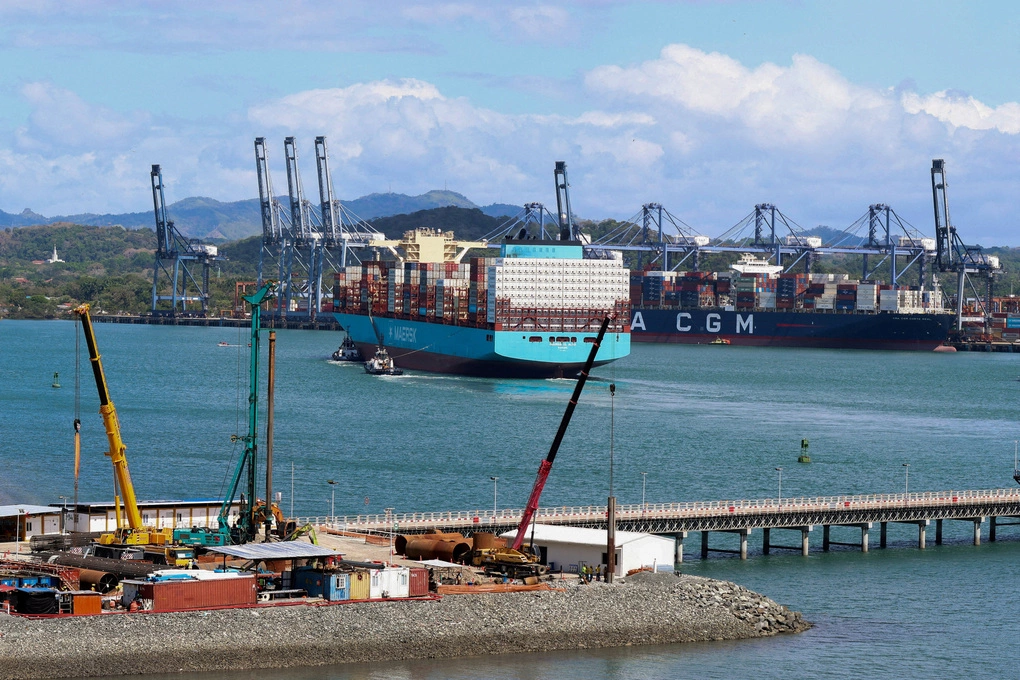
Forecasts indicate that the 2027 dry season, which usually runs from January to April, will start earlier than usual and last well into May. In 2023 and 2024, El Nino forced authorities to reduce the number of ships passing through the canal daily to 22 and the maximum draft to 13.41 m. As a result, ship traffic decreased by 20% and tonnage decreased by 17%, not to mention the long queues of ships waiting. Jorge Quijano, former director of the Canal Authority, said if the lakes cannot be filled by November, it is likely they will have to continue to tighten the number of ships passing through.
Extended restrictions will lead to higher shipping costs and longer wait times, pushing goods prices higher for consumers. Each time the waterline is reduced by 30 cm, a ship must remove about 200 containers, significantly impacting the Panama Canal's largest source of revenue.
The route mainly connects China, South Korea and Japan with the US, the origin or destination of 7 in 10 containers passing through the canal. Analyst Natasha Lindstaedt at the University of Essex, UK, said rising costs could potentially affect US trade. The conflict caused stagnation in the Strait of Hormuz, increasing traffic through the Panama Canal. Difficulties on both routes also put great pressure on the global supply chain.
The canal authority is planning to build a new 4,600-hectare reservoir on the Indio River to the west to limit the impact of future droughts on cargo ships. But it will not be until 2031 that the project will be ready to go into operation.