Assistant Muse is complained about reading users' private messages

Jason Aten, a writer for Inc magazine, installed Muse on his iPhone and Mac after the virtual assistant launched in early September. A few days later, while chatting with a colleague about the new iPhone, Aten received a push notification from Muse, suggesting the conversation would be great for an article and suggesting he gather material for writing. The virtual assistant even pointed out a message from his editor about needing an article for Monday.
"The problem is that I have never asked it to do anything like that, never even allowed it to read my messages. I clearly remember choosing not to allow access to messages, calendars and other personal information," Aten affirmed.
When Aten asked how Muse knew about the message, the AI assistant replied it gets the data from the associated push notification, not from within the message. He thought this answer was incorrect, and discovered that Muse synchronized his messages with the server at Meta. When tested, it had synchronized more than 187,400 lines of his message history.
David Singleton, an expert at Meta Super Intelligence Laboratory, later explained on Threads that it is a feature that users actively turn on. However, Aten denied, saying that message access was still automatically enabled in Muse's settings even though he had refused it since setting it up, and Meta has not answered his question about this issue.
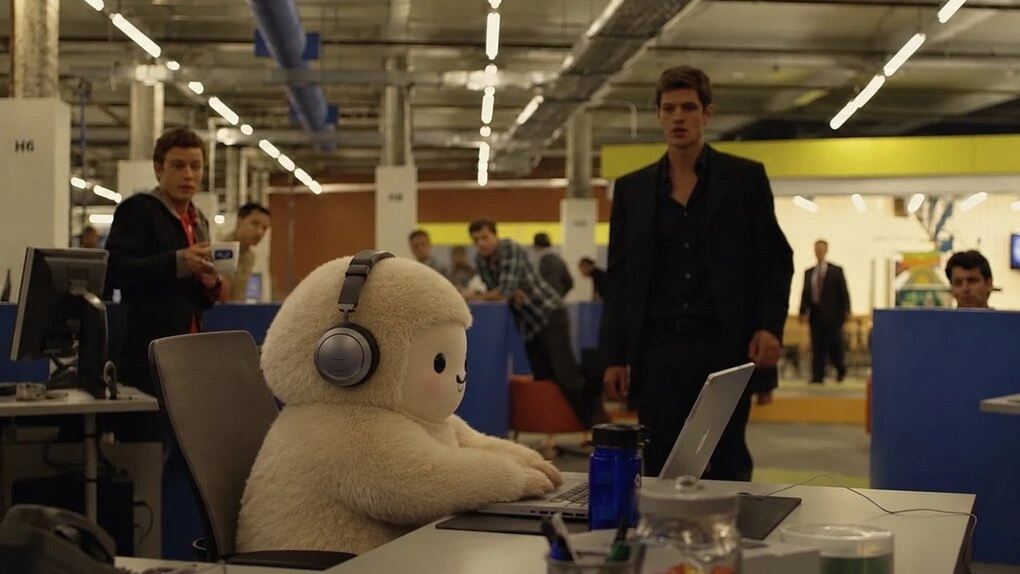
Some other users also think that Muse has a tendency to overreach. For example, Wired writer Reece Rogers said Muse repeatedly urged him to link bank accounts, scan his inbox, and take photos of his passport and driver's license. According to Rogers, each new proposal is a way to collect personal data.
Last week, YouTuber Matt Robb criticized Muse for providing his home address to strangers without permission. Initially, Robb asked Muse to sell the keyboard on the online marketplace Facebook Marketplace. However, the virtual assistant negotiated the price himself and arranged for the buyer to come to Robb's home while he was not home.
David Singleton then contacted Robb to find out the cause. They initially discovered that when he asked Muse to handle interactions on Marketplace, the system presented two options: "Allow once" and "Always allow". He clicked on the second option because he thought the virtual assistant would still send a request to approve the purchase offer. However, this option allowed the virtual assistant to respond to every message on the online marketplace with the information he provided, including his home address.
"I told the Meta team that this could be misleading like in my case, and they said they would adjust the notification more clearly," Robb updated on Threads on September 29. Singleton also responded to Robb's post, saying Meta confirmed there were "no violations of privacy controls," asserting that the company "appreciates the opportunity to learn" from user experiences and will continue to improve the product.
Muse launched on September 8, can automatically perform tasks such as booking tables, booking airline tickets, shopping, sending emails, filling out forms, looking up information, finding pet sitters or connecting to Spotify, Instagram, OpenTable services. After a week, this virtual assistant climbed to number one on the free application rankings on the App Store in the US, surpassing ChatGPT and receiving many positive reviews.